
Nutrition During Perimenopause
Nutrition during perimenopause often requires more precision, not more restriction. As hormonal signaling becomes less predictable, the body’s response to food, stress, and recovery can become more variable.
Many women notice that eating patterns which once felt effective suddenly stop producing the same results. Energy may feel less stable, recovery slower, and body composition harder to manage despite maintaining the same habits. This is often interpreted as a need for stricter dieting, when in reality the body is usually becoming more sensitive to under-fueling, stress, and inconsistent recovery.
Hormonal Variability Changes How the Body Responds
Estrogen and progesterone influence far more than reproductive function. Estrogen plays a role in insulin sensitivity, glucose regulation, fat metabolism, and appetite signaling, while progesterone affects nervous system regulation and energy expenditure.
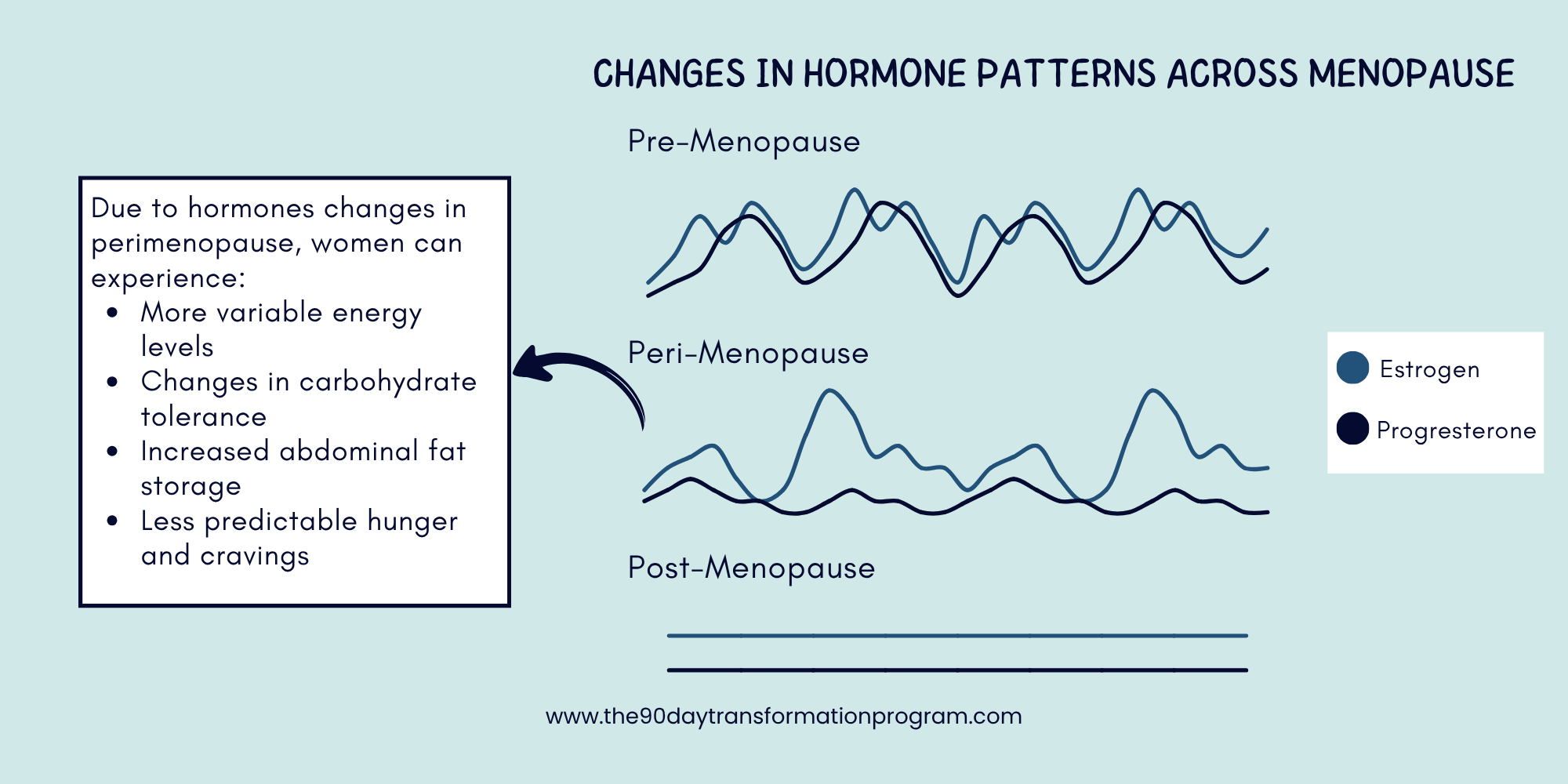
This does not mean metabolism is “broken,” nor does it mean carbohydrates suddenly become harmful. More often, it means the body requires better alignment between nutrition, training demands, and recovery capacity.
Why Restriction Often Backfires
One of the most common responses to these changes is increased restriction. However, perimenopause often coincides with higher stress levels, poorer sleep quality, and greater overall recovery demands.
When calorie intake remains chronically low in this environment, stress hormone activity increases and recovery capacity declines. Rather than improving body composition, aggressive dieting can worsen fatigue, impair training performance, increase muscle loss, and contribute to the very metabolic instability women are trying to avoid.
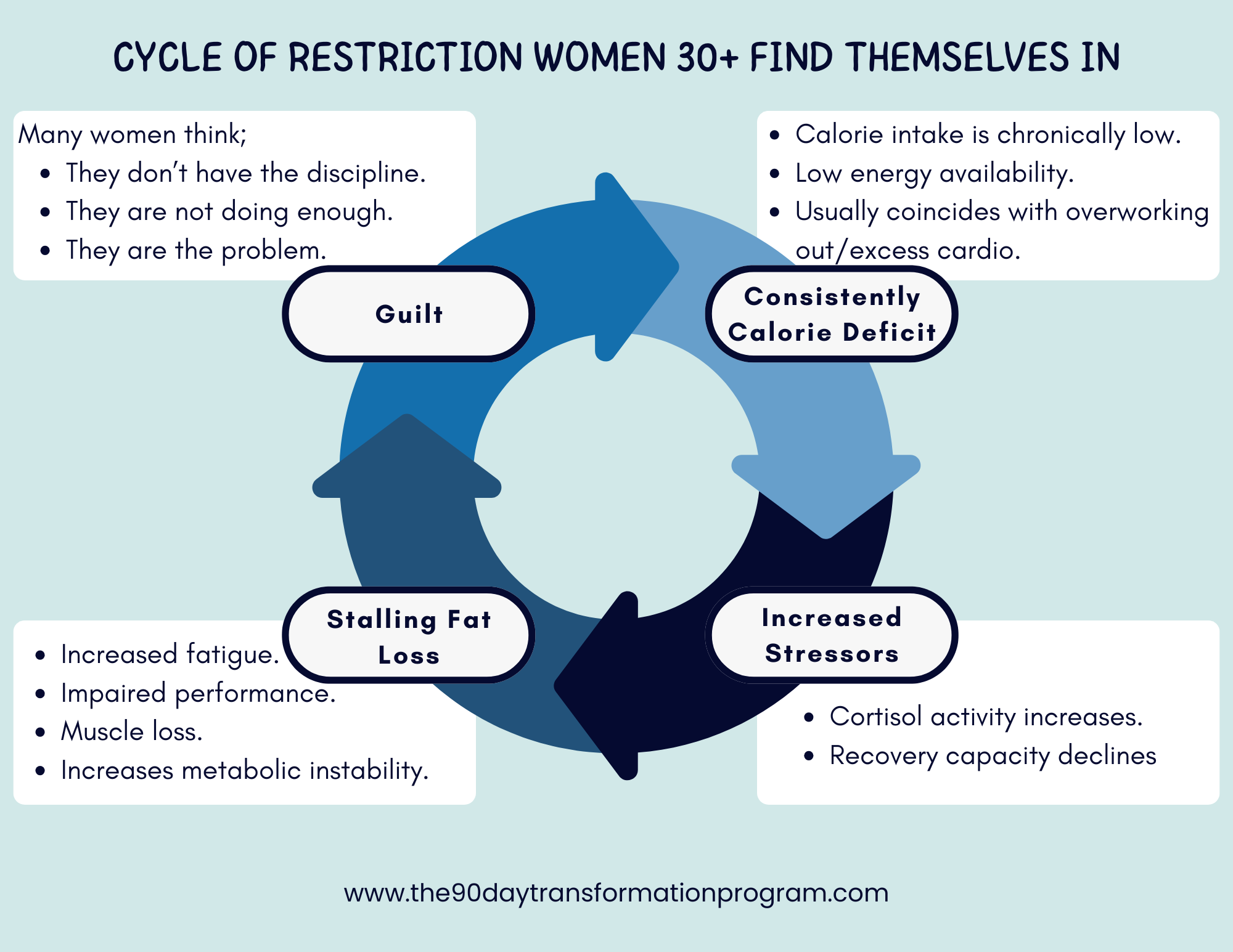
The issue is rarely that women need less food. More often, the body has become less tolerant of prolonged under-fueling.
Protein Becomes Increasingly Important
Protein intake plays a major role in maintaining metabolic stability during this stage. Adequate protein supports muscle preservation, recovery from resistance training, appetite regulation, and overall metabolic health.
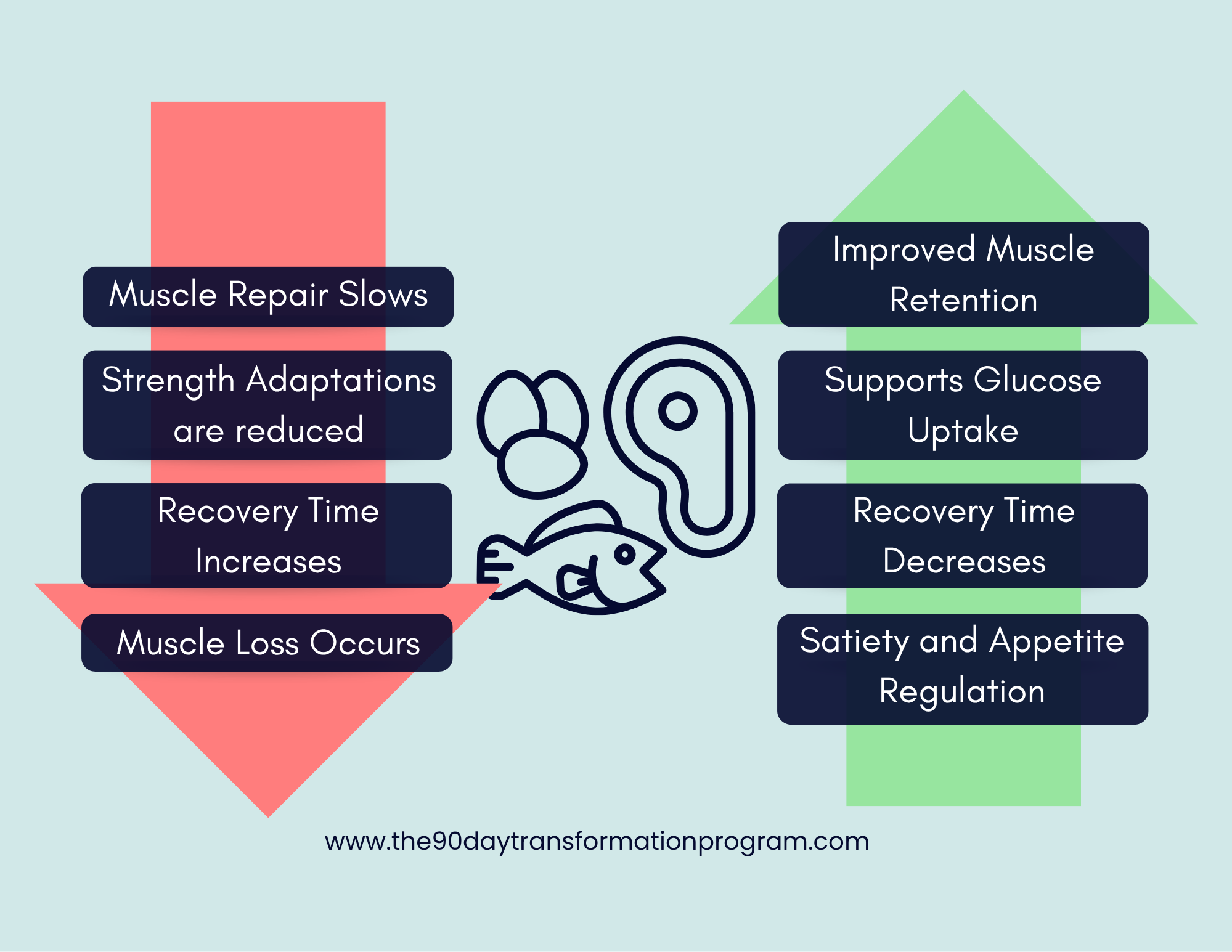
As anabolic sensitivity gradually declines with age, physically active women often benefit from higher relative protein intake to support lean mass retention. Without sufficient protein, muscle loss accelerates, which can further reduce metabolic resilience and long-term functional capacity.

Research also consistently shows that higher protein intake combined with resistance training improves lean mass retention and metabolic outcomes more effectively than lower protein intakes in older women.
Carbohydrates Support Recovery and Performance
Carbohydrates are frequently reduced during perimenopause, despite their important role in supporting training adaptation and nervous system function.
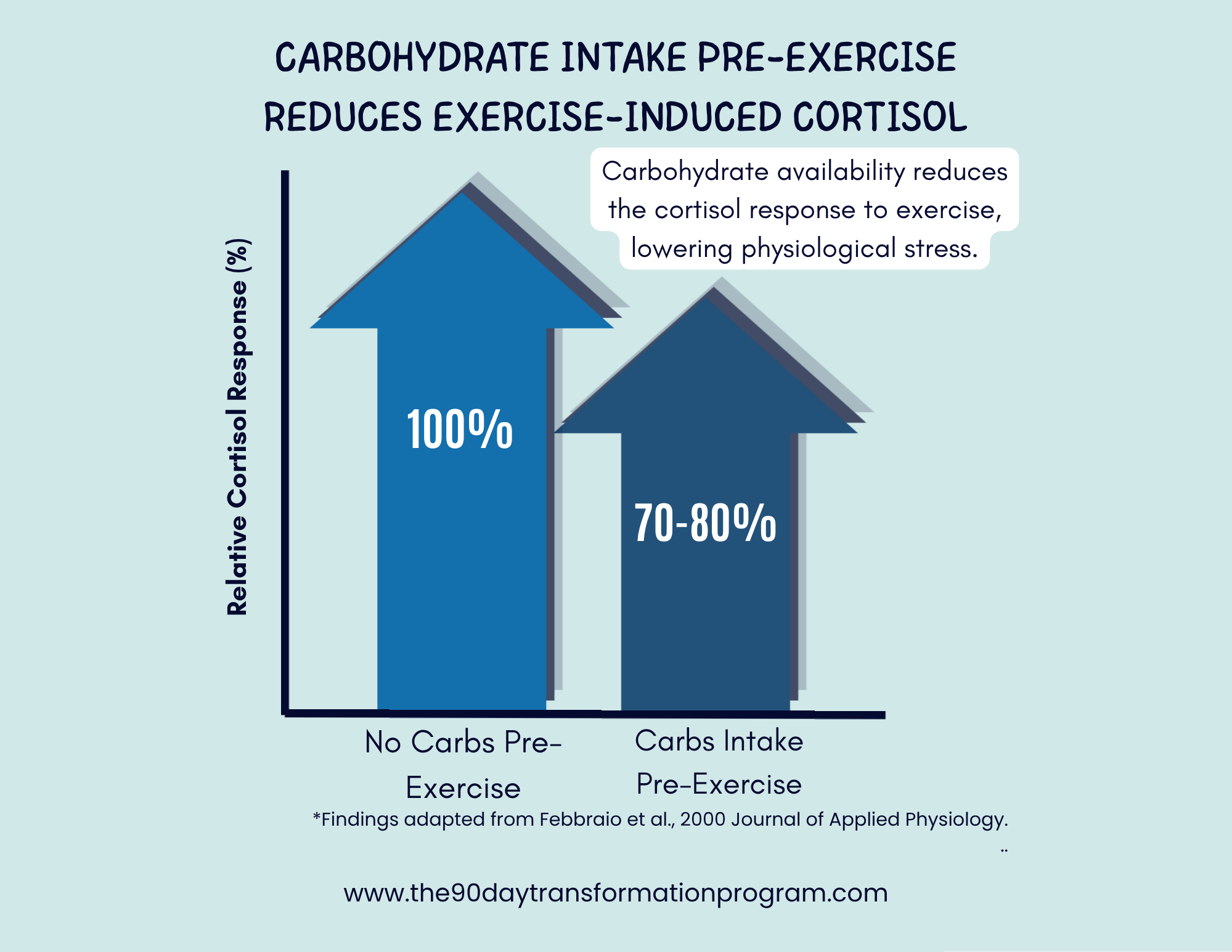
Adequate carbohydrate intake helps:
Replenish glycogen
Improve training quality
Support stress regulation
Reduce excessive fatigue
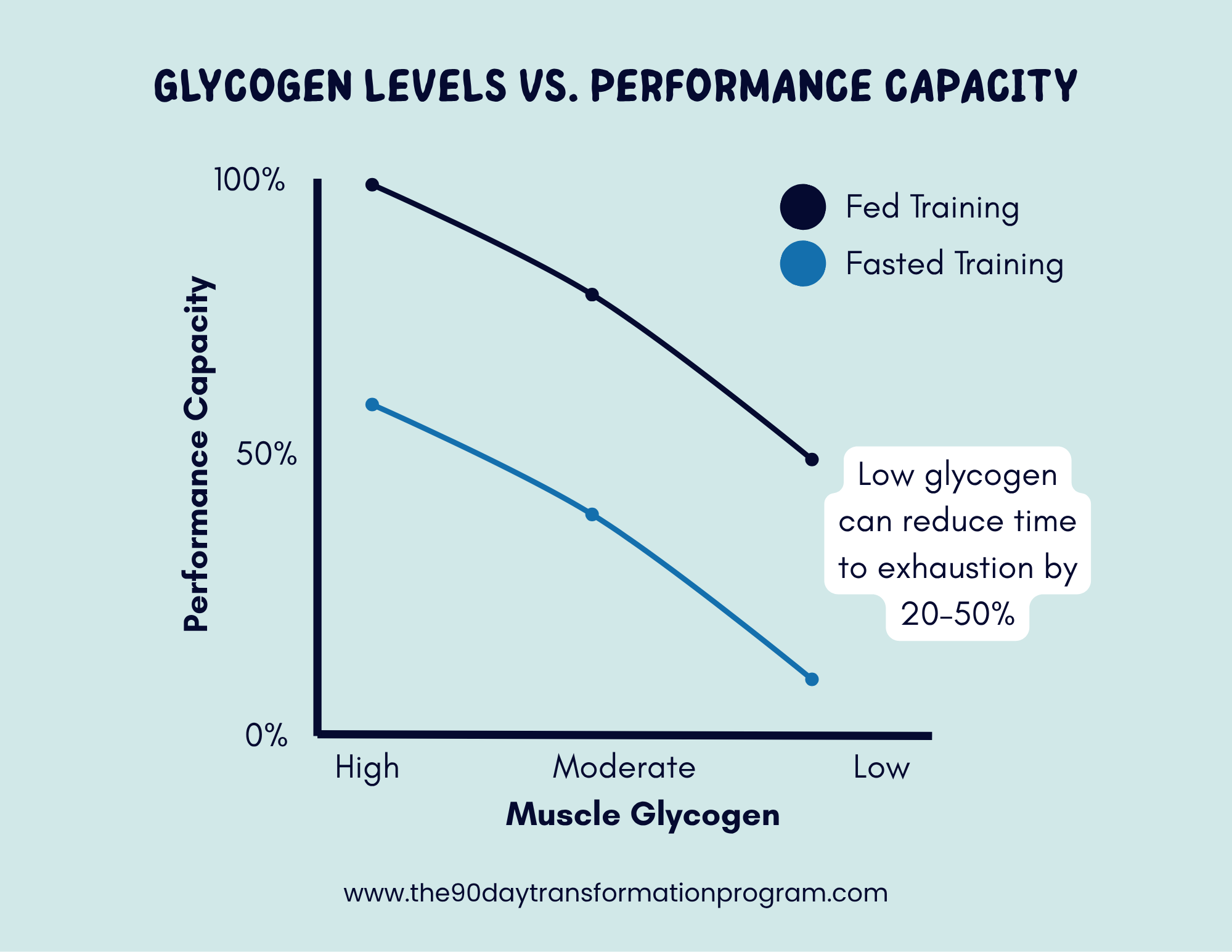
When intake becomes too low—particularly alongside high training volume—women often experience poorer recovery, higher perceived exertion, and reduced training performance.
Rather than eliminating carbohydrates, a more effective approach is adjusting intake based on activity levels and recovery demands.
Dietary Fat and Micronutrients Matter Too
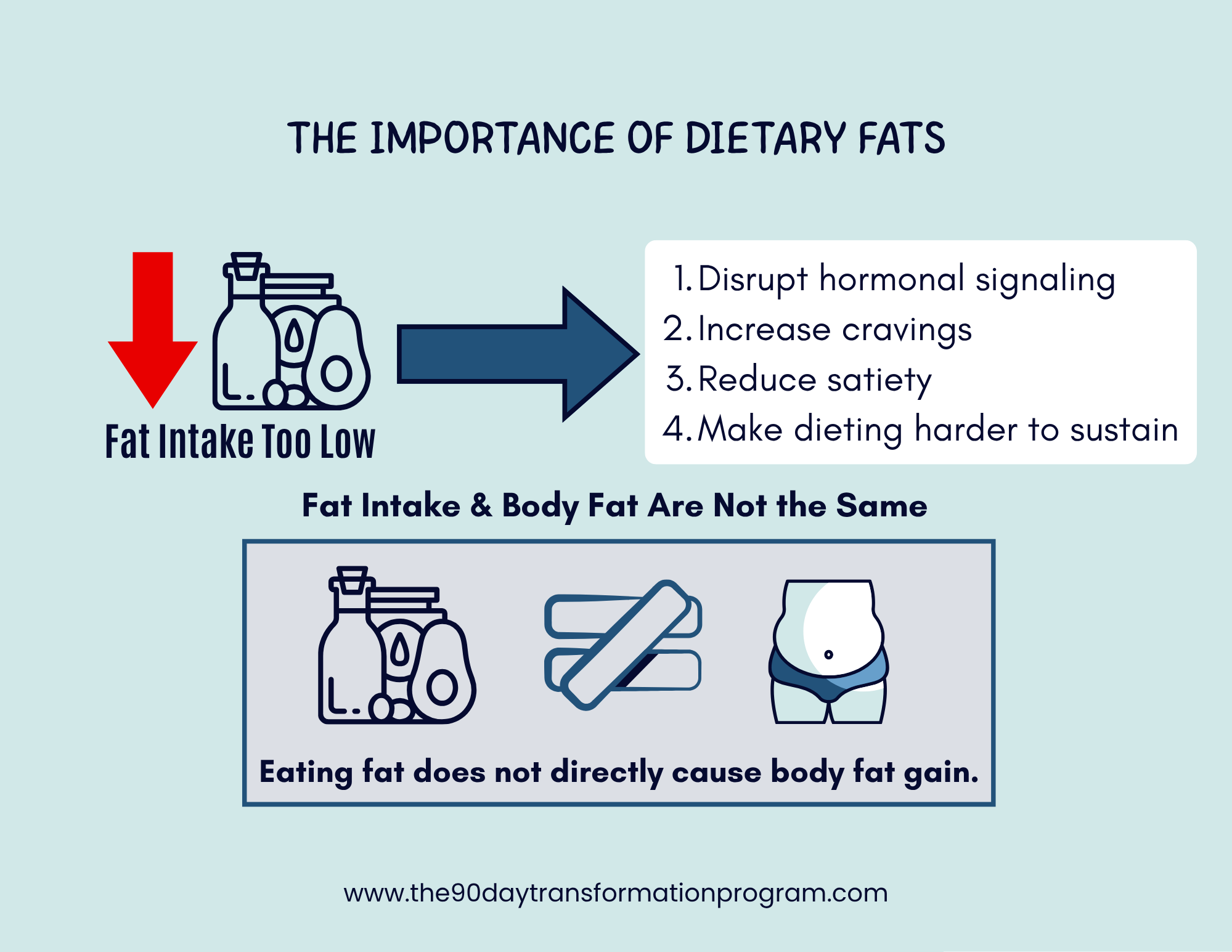
Dietary fats support:
Nutrient absorption
Hormonal signaling
Satiety and meal satisfaction
Extremely low-fat diets can increase hunger and reduce overall nutrient intake.
Micronutrients also become increasingly important during this stage, particularly those involved in:
Bone health
Neuromuscular function
Oxygen transport and recovery
When overall food intake is too low, deficiencies become more likely—even in women eating “healthy” diets.
Consistency Matters More Than Extremes
During perimenopause, consistency often produces better outcomes than rigid or aggressive dieting strategies.
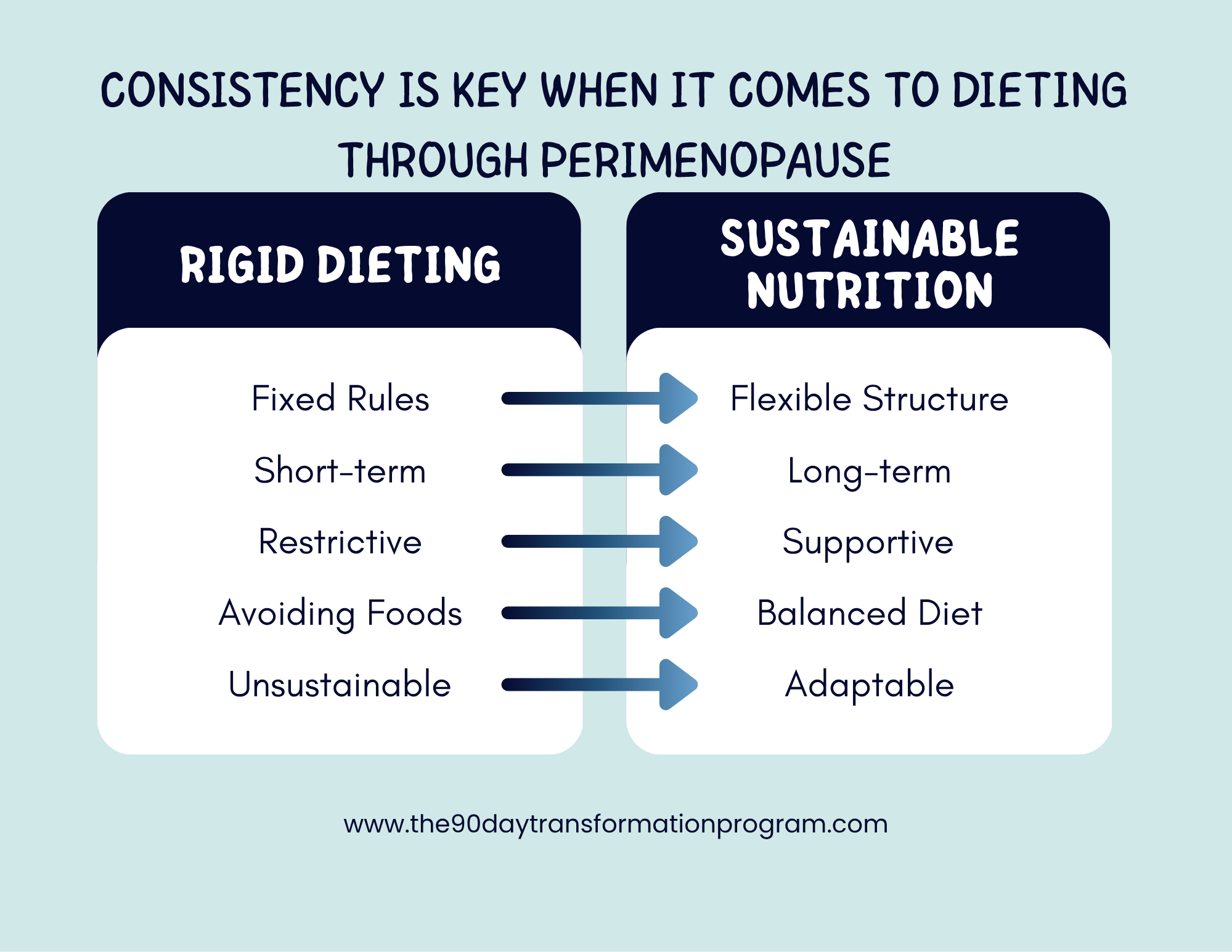
Irregular eating patterns, prolonged fasting, or chronically low intake can amplify stress responses and worsen energy fluctuations. Regular meals that include protein, carbohydrates, and healthy fats help stabilize energy levels, support recovery, and improve training adaptation.
Nutrition during this phase is not about damage control. The body remains highly responsive to supportive inputs when fueling, recovery, and training are aligned appropriately.
In Summary
Perimenopause does not require harsher nutrition strategies. It requires more supportive ones.
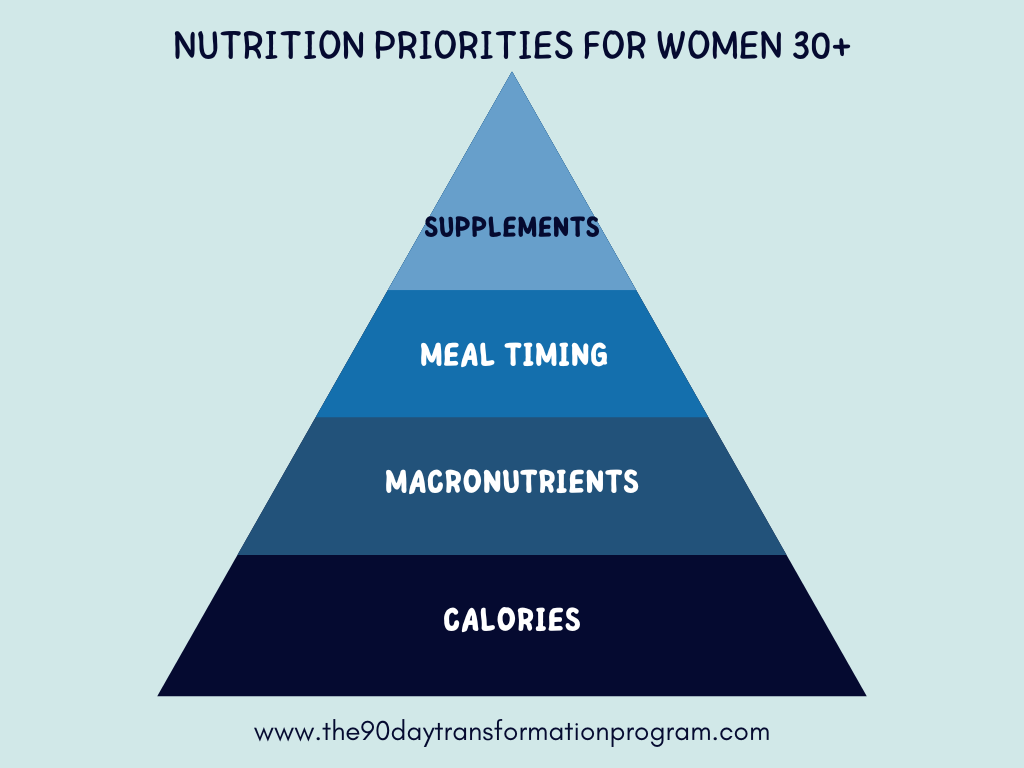
When nutrition prioritizes adequate fueling, muscle preservation, recovery, and consistency over extremes, women can continue to improve body composition, maintain strength, and support long-term metabolic health throughout this transition.
The goal is not to fight physiology.
It is to support it.