
Bone Density, Strength, and Aging Well
When most women think about bone health, they think about it as something to worry about later in life.
The reality is that the foundations of bone health are being built—or lost—decades before osteoporosis is ever diagnosed.
Bone loss doesn't happen overnight. It occurs gradually over many years, often without symptoms, making it one of the easiest health issues to overlook and one of the hardest to reverse once significant decline has occurred.
The good news is that bone is not passive tissue. Throughout adulthood, it remains responsive to training, nutrition, and lifestyle habits. Understanding how bone adapts allows women to take proactive steps to maintain strength, resilience, and independence as they age.
Bone Is Living Tissue
Many people think of the skeleton as a fixed structure, but bone is constantly changing.
Throughout life, old bone tissue is broken down and replaced through a process known as bone remodeling. In younger adults, bone formation and bone breakdown are generally balanced. As we age, particularly during midlife, this balance can begin to shift.
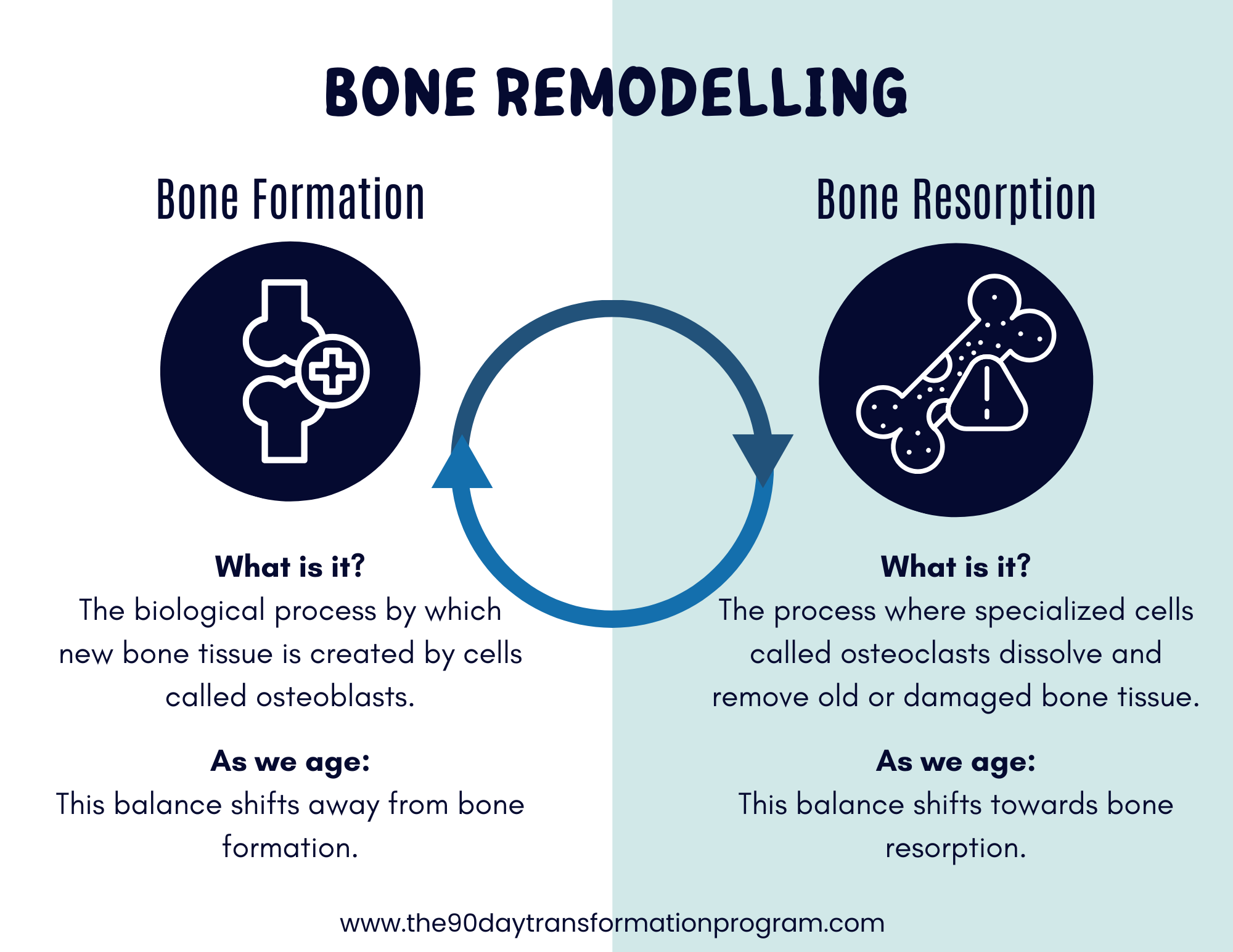
Hormonal changes associated with perimenopause can accelerate this process. As estrogen signaling becomes less predictable, the rate at which bone is broken down may begin to exceed the rate at which new bone is formed. Over time, this can lead to gradual reductions in bone density and structural strength.
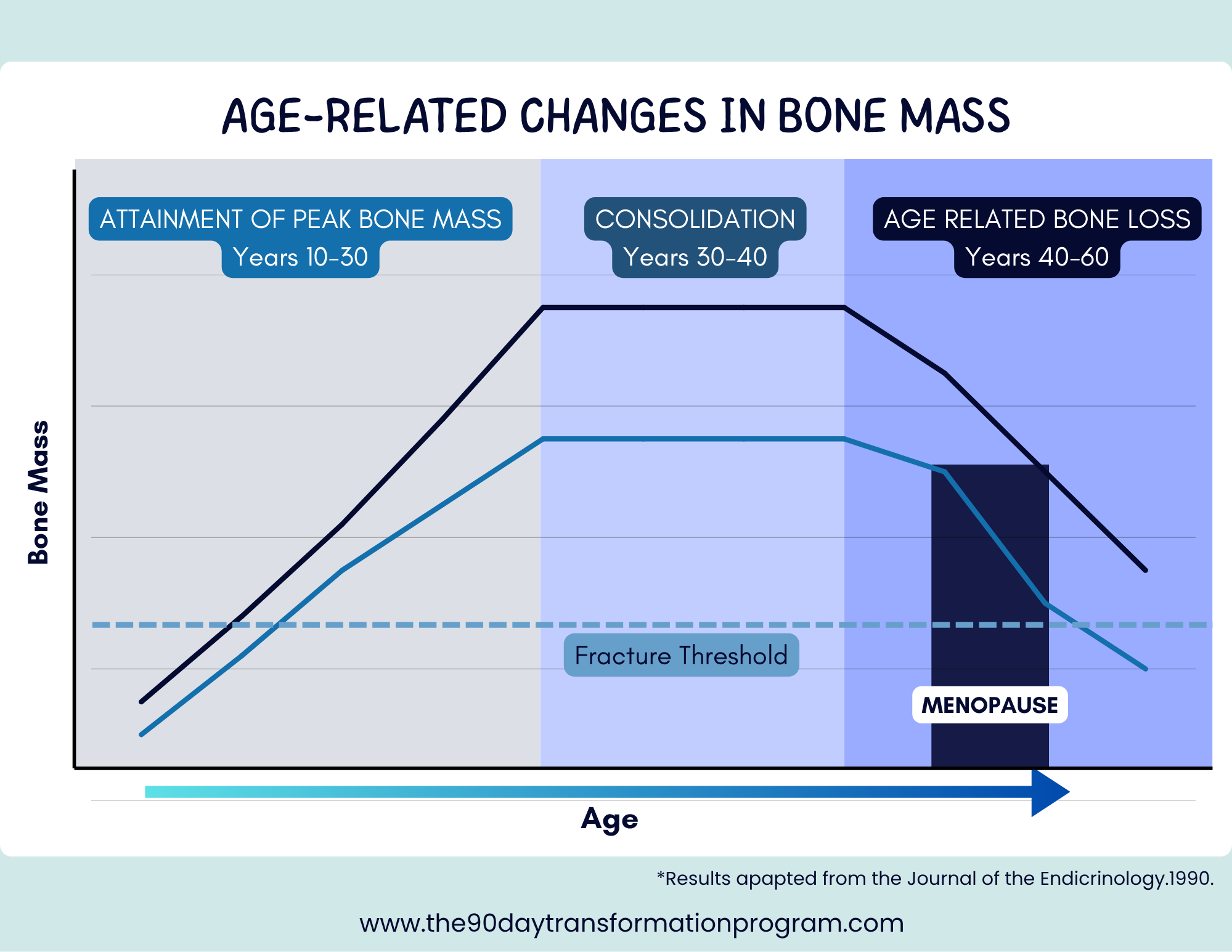
This doesn't mean bone loss is inevitable—it simply means that the body requires a stronger stimulus to maintain bone health.
Why Strength Training Matters
One of the most powerful signals for maintaining bone density is mechanical loading.
When bones are exposed to sufficient force, they respond by becoming stronger in the areas experiencing that load. This is one of the reasons resistance training is so valuable during midlife.

Exercises such as squats, lunges, deadlifts, presses, and loaded carries create forces that stimulate adaptation throughout the hips, spine, and other clinically important areas. These are also the regions most commonly affected by age-related bone loss and fracture risk.
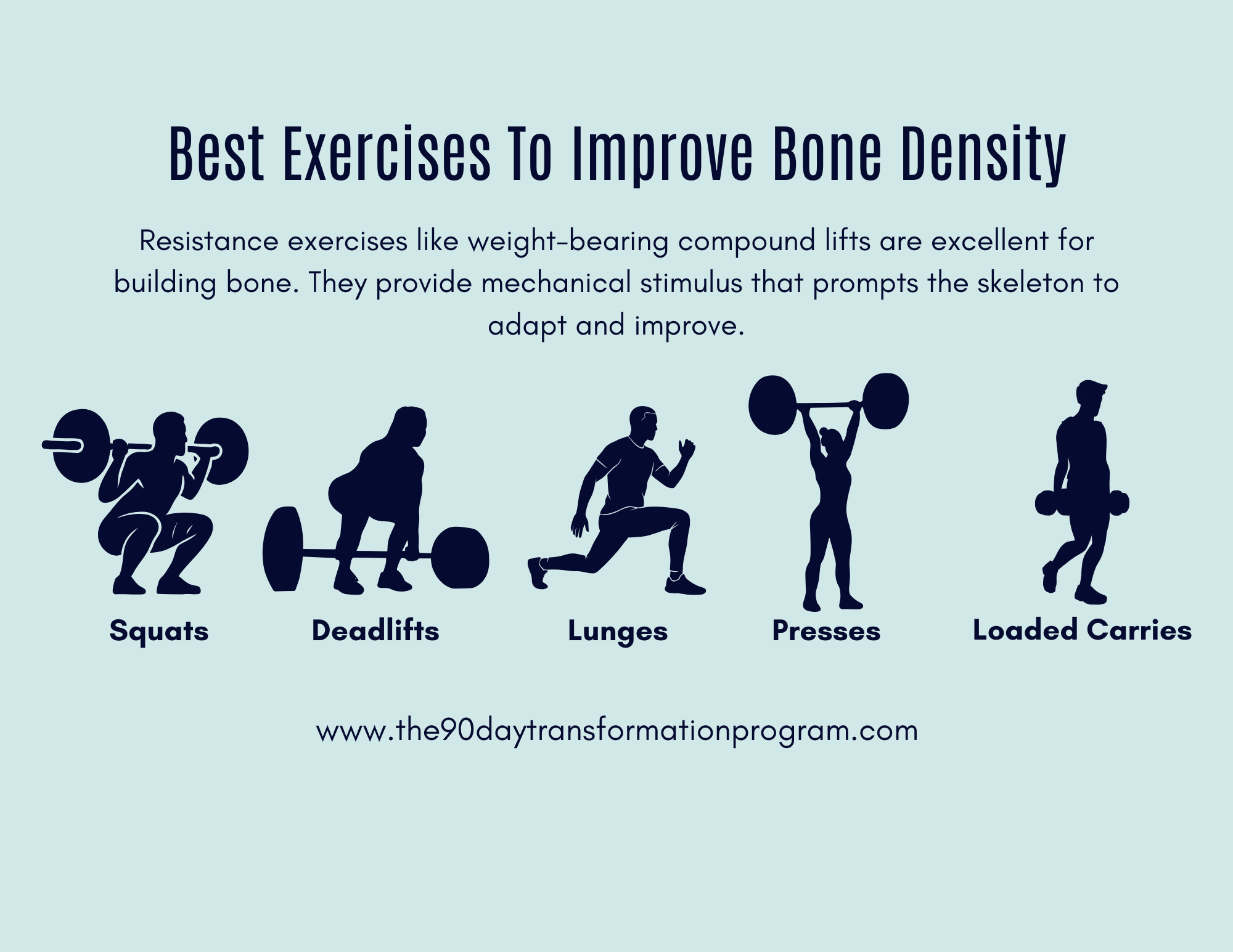
Research consistently shows that progressive resistance training can preserve or improve bone density when performed regularly and with sufficient intensity. The key word is progressive. The body adapts to challenge, not repetition. Gradually increasing resistance over time provides a signal that bone and muscle tissue need to remain strong.
Muscle and Bone Work Together
Bone health is not just about bone.
Muscle and bone function as an integrated system. Every time a muscle contracts, it places force on the bone it attaches to. The stronger the muscle, the greater the mechanical stimulus delivered to the skeleton.
This is one reason muscle loss becomes such an important consideration as women age. When muscle mass declines, the stimulus for bone adaptation declines as well. Preserving muscle through resistance training not only supports metabolism and strength but also helps protect skeletal health.
In practical terms, training for muscle is often training for bone.
Nutrition Plays a Supporting Role
Exercise provides the stimulus for adaptation, but nutrition provides the resources needed to support it.
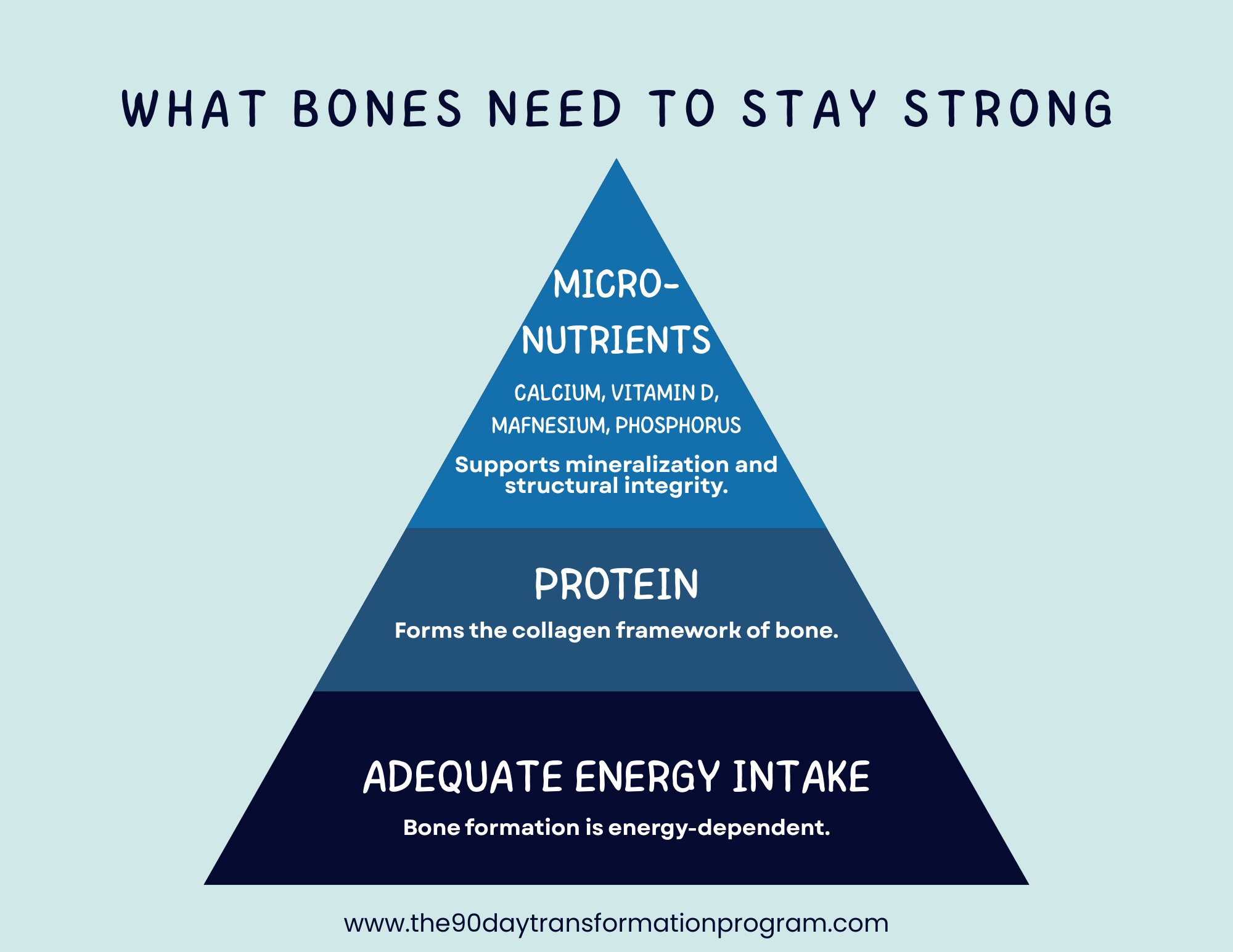
Bone remodeling is an energy-demanding process. When energy intake is chronically too low, the body begins prioritizing immediate survival functions over long-term tissue maintenance. Over time, this can suppress bone formation and contribute to density loss.
Protein intake is particularly important. In addition to supporting muscle preservation, protein contributes to the collagen matrix that forms the structural foundation of bone tissue.
Micronutrients matter too. Calcium and vitamin D are often the nutrients most associated with bone health, but they work alongside other nutrients such as magnesium and phosphorus to support normal bone metabolism and mineralization.
Rather than focusing on a single nutrient, the goal should be a nutrient-dense diet that consistently supports both training and recovery.
Why Prevention Matters
One of the challenges with bone loss is that it is often silent.
Unlike a muscle strain or an injury, declining bone density rarely produces obvious symptoms in its early stages. By the time a fracture occurs, significant changes may already have taken place.
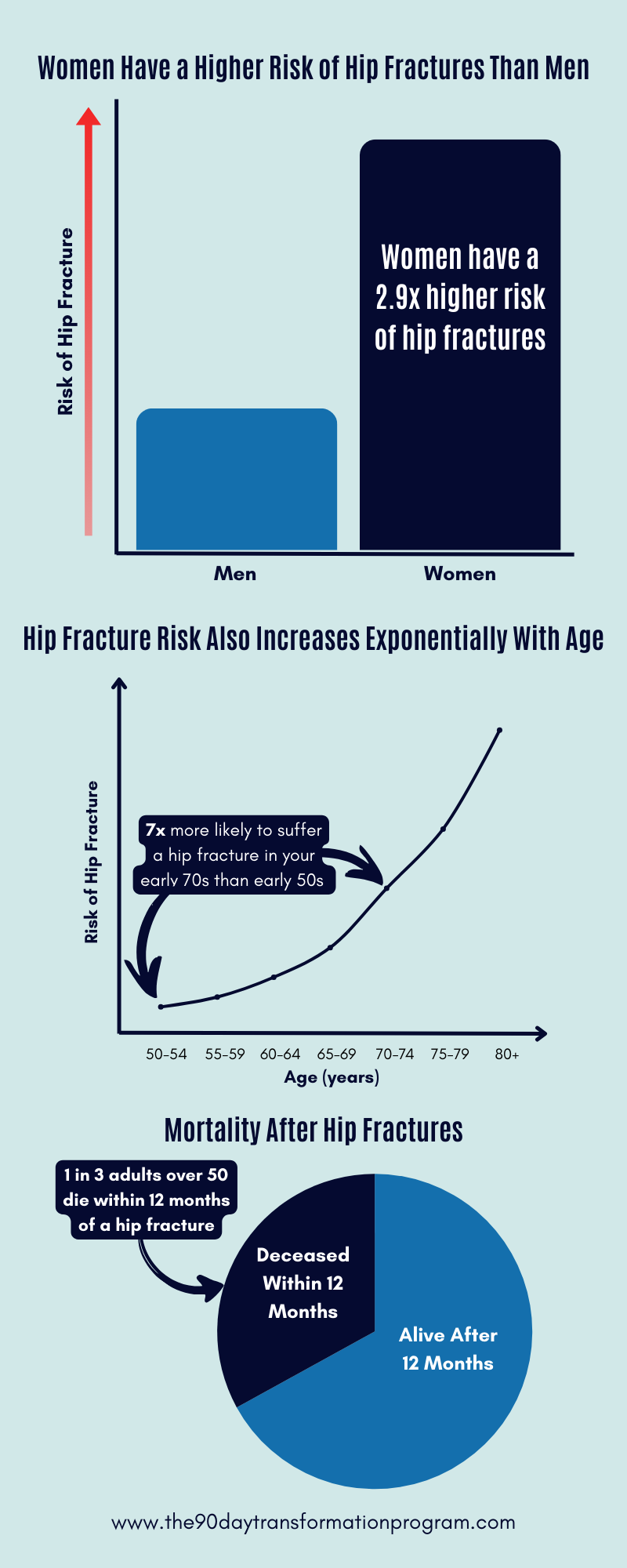
Unlike a muscle strain or an injury, declining bone density rarely produces obvious symptoms in its early stages. By the time a fracture occurs, significant changes may already have taken place.
This is why prevention is so important.
Building strength, maintaining muscle mass, and supporting bone health during your 30s, 40s, and 50s creates a larger reserve for later decades. The earlier these habits are established, the greater their long-term impact.
In Summary
Aging well is not simply about avoiding disease. It is about preserving the physical capacity to continue doing the things you enjoy.
Strong bones support movement, independence, balance, and resilience. They allow you to remain active, train consistently, and maintain confidence in your body as you age.
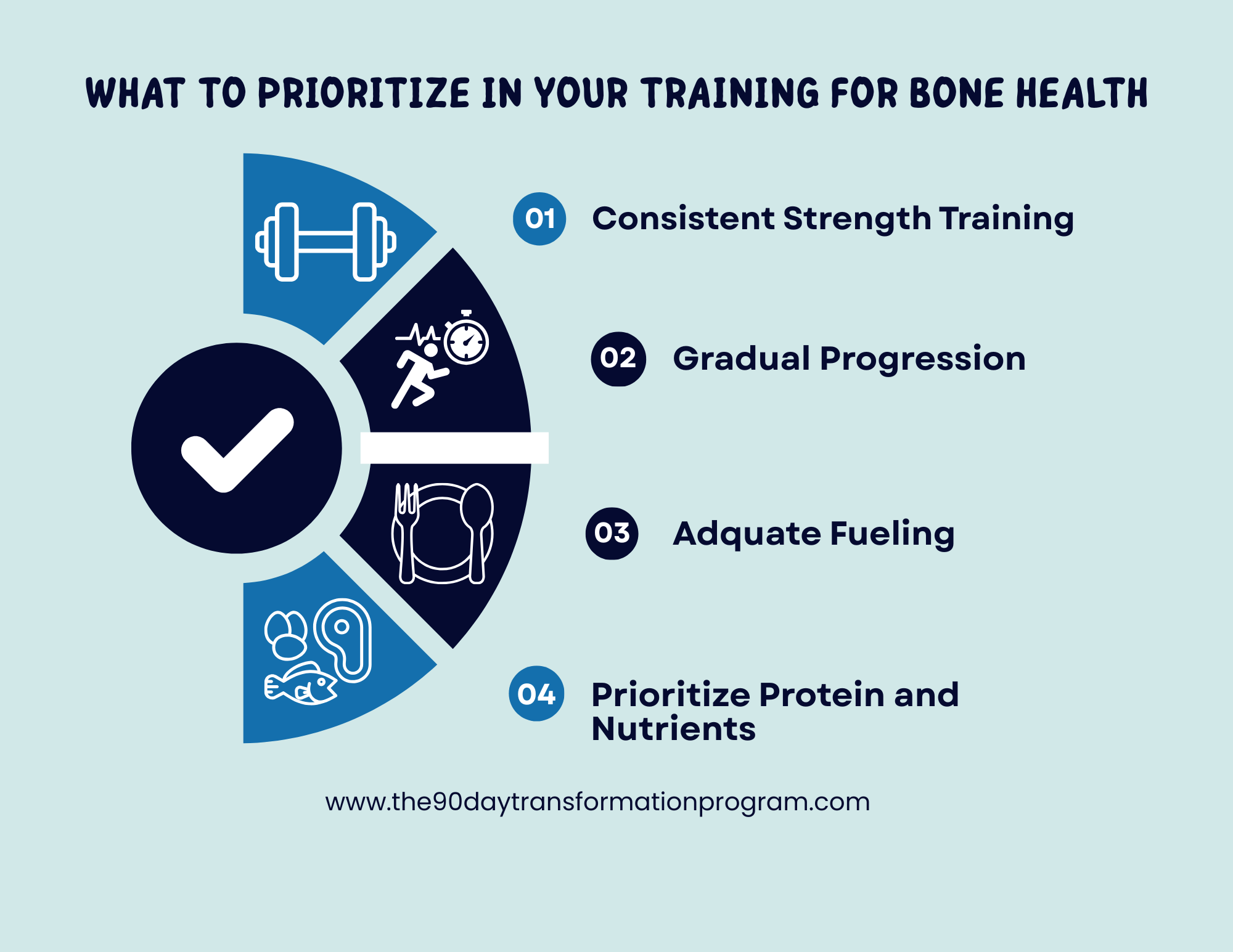
The most effective strategy is rarely complicated:
Strength train consistently
Progressively challenge your muscles
Eat enough to support recovery
Prioritize protein and nutrient-dense foods
Bone health is not something to think about after it becomes a problem.
It is something to invest in now.
Because the strength you build today becomes the foundation for the decades ahead.