
Cardio for Women — Helpful, Harmful, or Misused?
Cardio is often thought of as the primary fat-loss tool, particularly for women.
And while it offers clear health benefits, its role is often misunderstood and, in many cases, misapplied.
The effectiveness of cardio depends entirely on how it is used within the broader context of training load, recovery, and energy availability.
When Done Appropriately, it Enhances Health and Fitness.
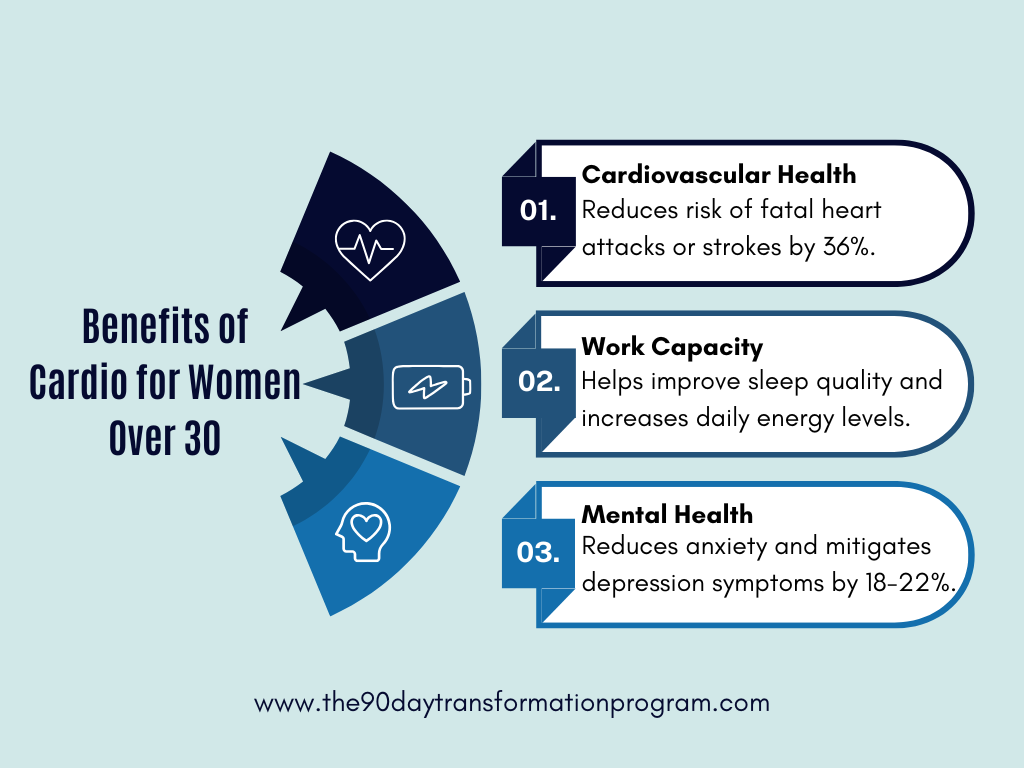
Appropriately dosed cardio supports:
Cardiovascular Health - the optimal functioning of the heart and blood vessels (the circulatory system), ensuring efficient blood flow, oxygen delivery, and waste removal throughout the body.
Work Capacity - an individual's ability to perform, recover from, and adapt to a specific volume of physical or mental work over time.
Mental Health - releases endorphins, serotonin, and dopamine, which reduce stress, anxiety, and depression while improving sleep and cognitive function.
These adaptations are valuable and should not be dismissed.
HOWEVER, when overused or misused, it can undermine the very goals it is meant to support.
The effects of cardio on the body are shaped by frequency, intensity, duration, and the nutritional and recovery context in which it is performed.
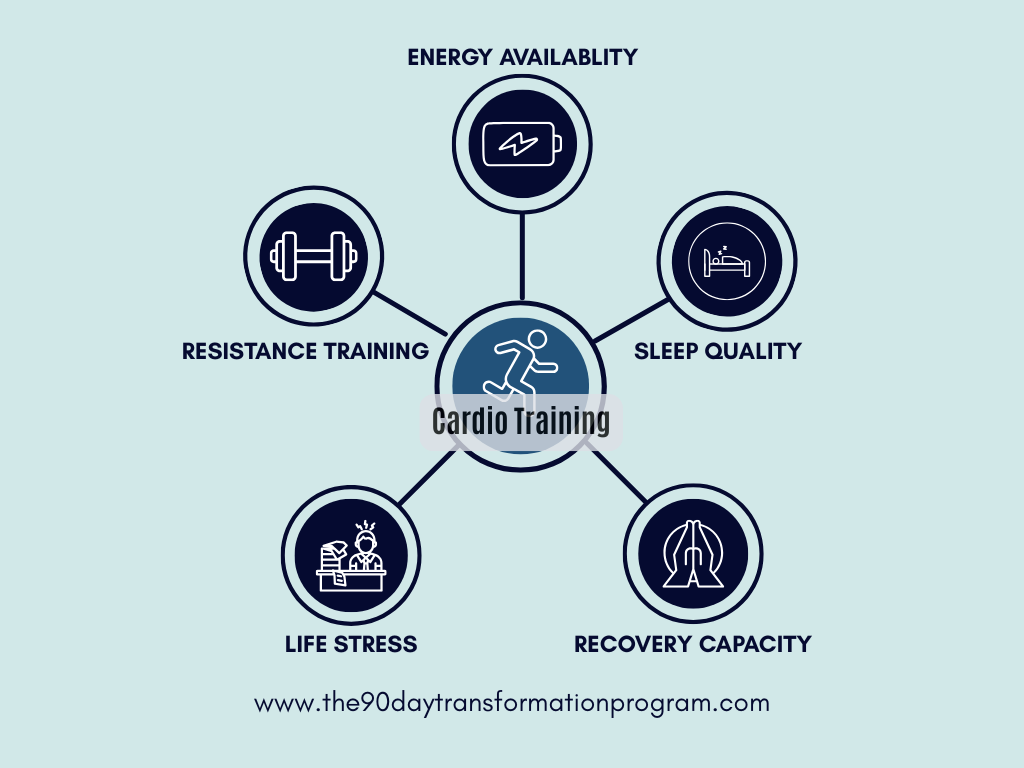
The effects of cardio on the body are shaped by frequency, intensity, duration, and the nutritional and recovery context in which it is performed.
Why More Cardio Does Not Equal More Fat Loss
For women, excessive reliance on cardio—particularly at moderate to high volumes—can create unintended consequences.
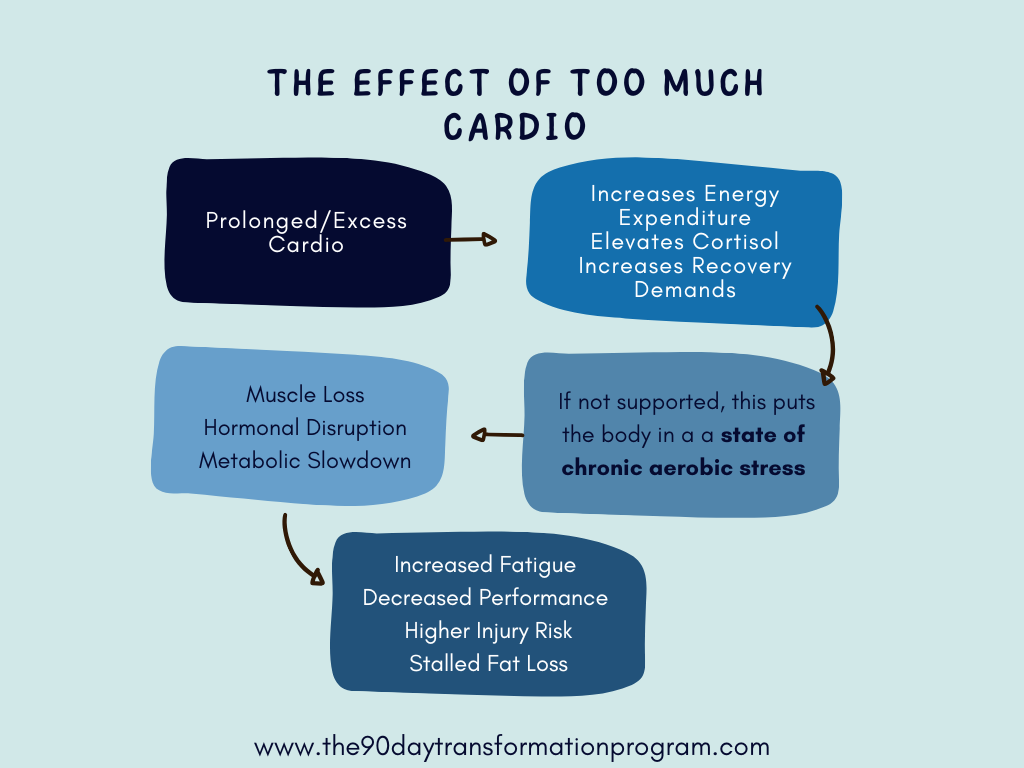
Prolonged or frequent aerobic sessions increase total energy expenditure and physiological stress.
Increase energy expenditure
Elevate cortisol
Increase recovery demands
When this stress is not matched with sufficient fuel and recovery, the body adapts defensively. Rather than promoting fat loss, putting the body in chronic aerobic stress can contribute to;
Muscle Loss
Hormonal Disruption
Metabolic Slowdown
This can reduce training tolerance over time, leading to fatigue, decreased performance, and higher injury risk.
Women can be more sensitive to effects of excess cardio training, these effects may appear even when total exercise volume seems moderate by conventional standards.
Nutrition Plays a Critical Moderating Role.
Adequate carbohydrate availability supports training quality and reduces excessive stress responses during aerobic work.
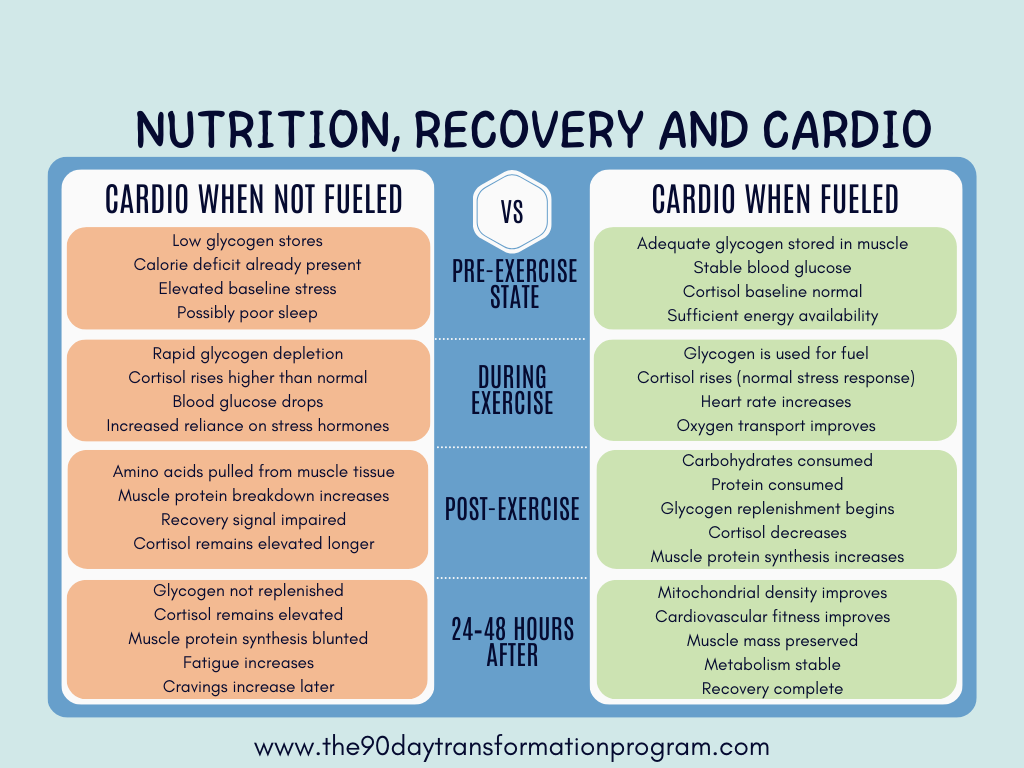
When cardio is performed in a chronically under-fueled state, the body is more likely to break down muscle tissue and suppress metabolic function.
This reinforces the importance of aligning cardio volume with energy intake rather than treating exercise as a standalone variable.
Resistance Vs Cardio-Only Approaches

Unlike resistance training, cardio alone:
Does not provide sufficient mechanical loading
Does not preserve lean mass
Does not support bone density
Over time, muscle loss reduces resting metabolic rate and impairs glucose regulation, making fat loss more difficult despite continued effort. Each kilogram of lean mass contributes approximately 13–25 kcal/day to resting energy expenditure.
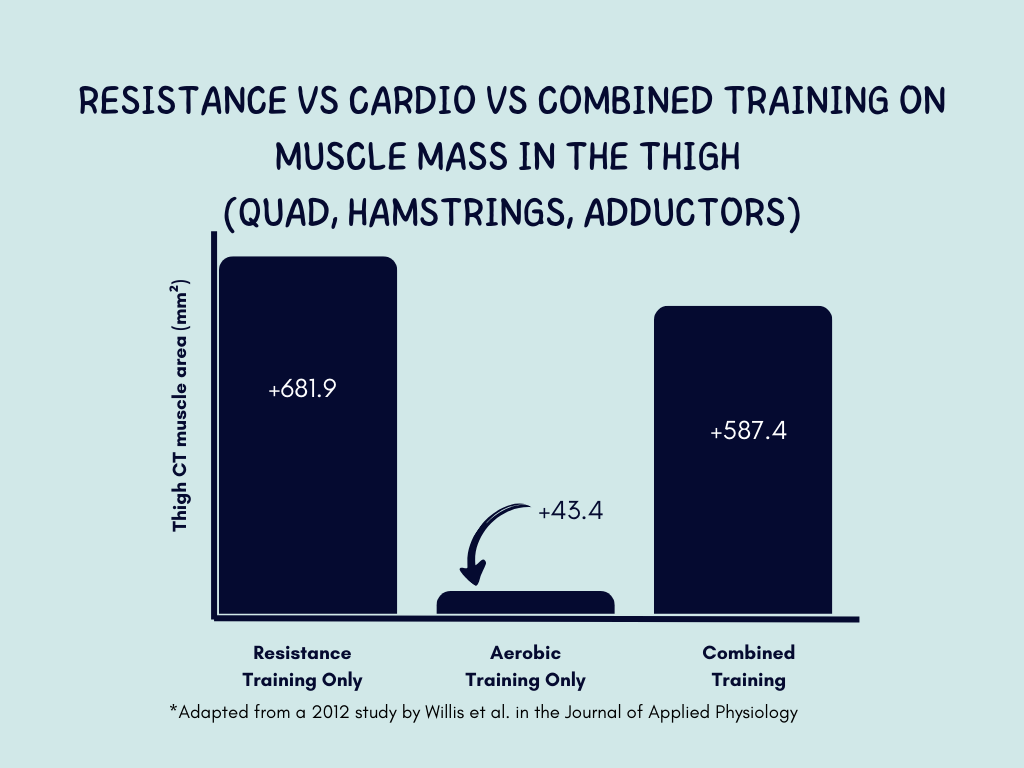
Common outcomes of a exercise routine consisting of excess or prolonged cardio include:
Fat loss plateaus
Increased fatigue
Loss of muscle tone
Reduced training tolerance
More cardio does not fix a stressed system.
So How Should You Incorporate Cardio To Make It Effective?
A more effective framework places cardio as a complement rather than a foundation.
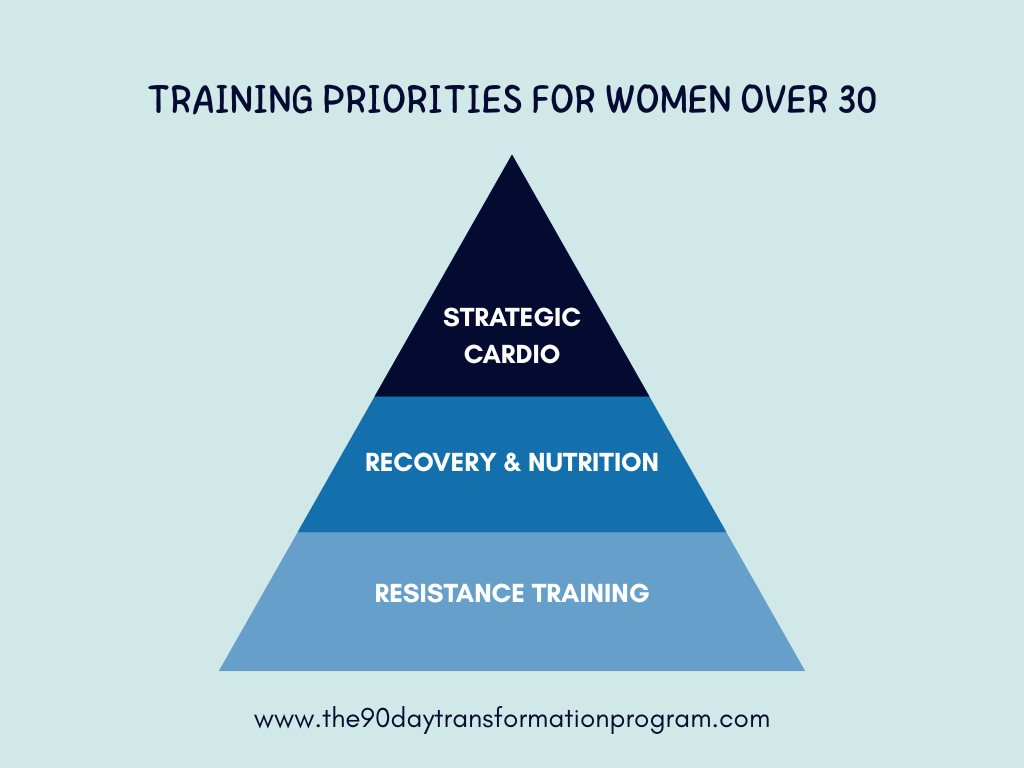
Resistance training establishes the physiological base by preserving muscle, supporting bone health, and improving metabolic function.
Cardio is then layered in to enhance cardiovascular fitness, support daily movement, and provide variety without overwhelming recovery capacity.
How Much and What to do
Firstly, we must learn the different types/formats of cardiovascular training.
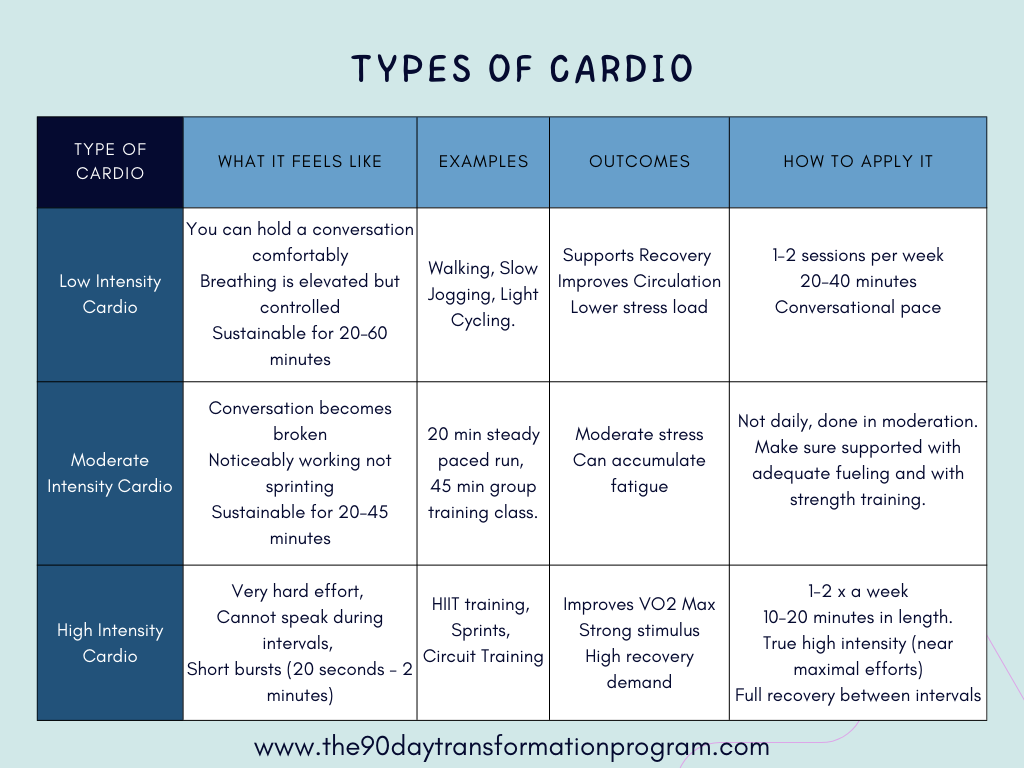
Different types of cardio place different demands on the body. For example, continuous, moderate-intensity sessions place a different demand on the body than interval-based or low-intensity activities.
As a result, its role must be contextualized. Matching cardio type to current stress levels, sleep quality, and overall training load allows women to benefit from aerobic exercise without compromising adaptation.
For most women 30–55 focused on longevity and body composition. For optimal results and health. A week of training should include;
Strength Training
3–4 strength sessions per week
Heavy resistance (relative intensity matters)
Progressive overload
Power and explosive work (when appropriate)
Cardio: Low Intensity Aerobic Work
1–2 sessions per week
20–40 minutes
Conversational pace
Nasal-breathing capable
Cardio: High- Intensity Interval Training (HIIT)
1–2 short sessions per week
10–20 minutes total work
True high intensity (near maximal efforts)
Full recovery between intervals
Total Cardio: 2–4 sessions per week
1–2 low-intensity (can be performed on active recovery days)
1–2 short HIIT ( can performed after resistance training)
Usually: 60–120 total minutes weekly
In Summary
When applied intentionally, cardio contributes positively to health and performance. For women, the distinction lies not in whether cardio is included, but in how it fits within a broader, strength-focused, recovery-aware training strategy.
Cardio is a tool — not the solution.
For women, fat loss and health improve most when cardio supports a strength-based program rather than dominating it.