
Female Hormones, Stress, and Their Impact on Training and Fat Loss
Hormones are often blamed when fat loss feels difficult.
In reality, it’s not hormones alone — it’s how they interact with stress and energy availability.
Hormonal regulation plays a central role in how women respond to exercise, nutrition, and lifestyle stress. While hormones are often discussed in isolation, their effects are cumulative and deeply interconnected, particularly when it comes to body composition, energy levels, and recovery.
Understanding this interaction is key for women over 30 to achieve sustainable progress.
Estrogen and Progesterone Influence More Than Reproduction
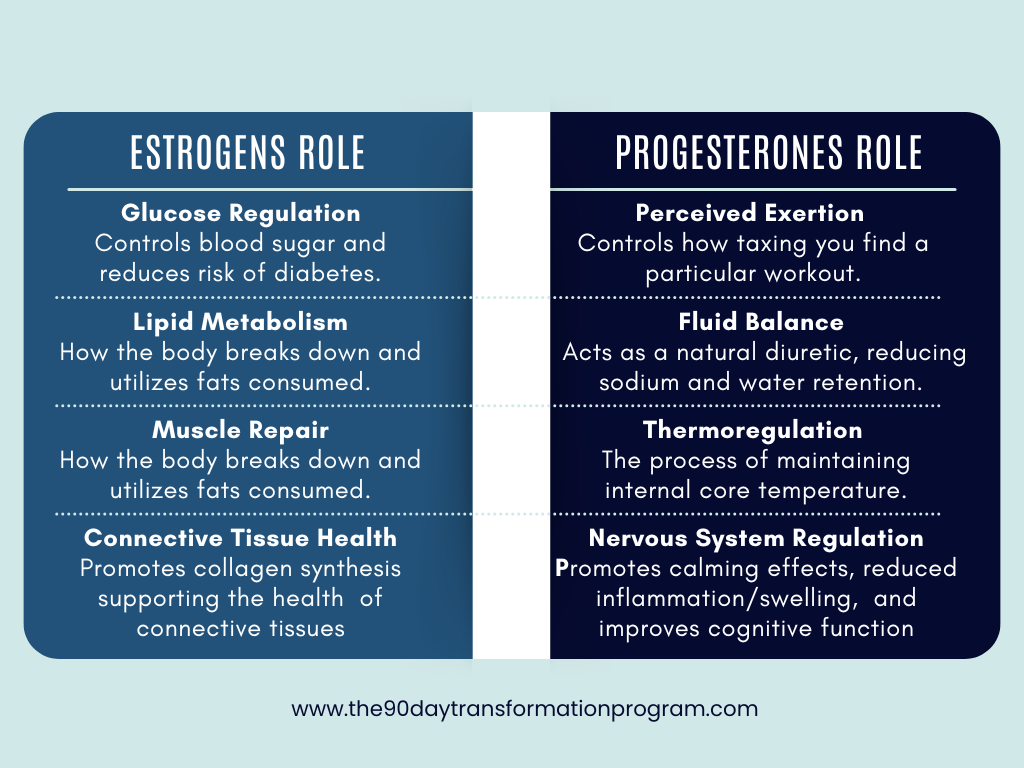
Estrogen plays a role in:
Glucose regulation
Lipid metabolism
Muscle repair
Connective tissue health
Progesterone influences:
Nervous system regulation
Fluid balance
Thermoregulation
Perceived exertion
Fluctuations in these hormones alter how the body responds to training, nutrition, and recovery.
Cortisol Is the Missing Piece
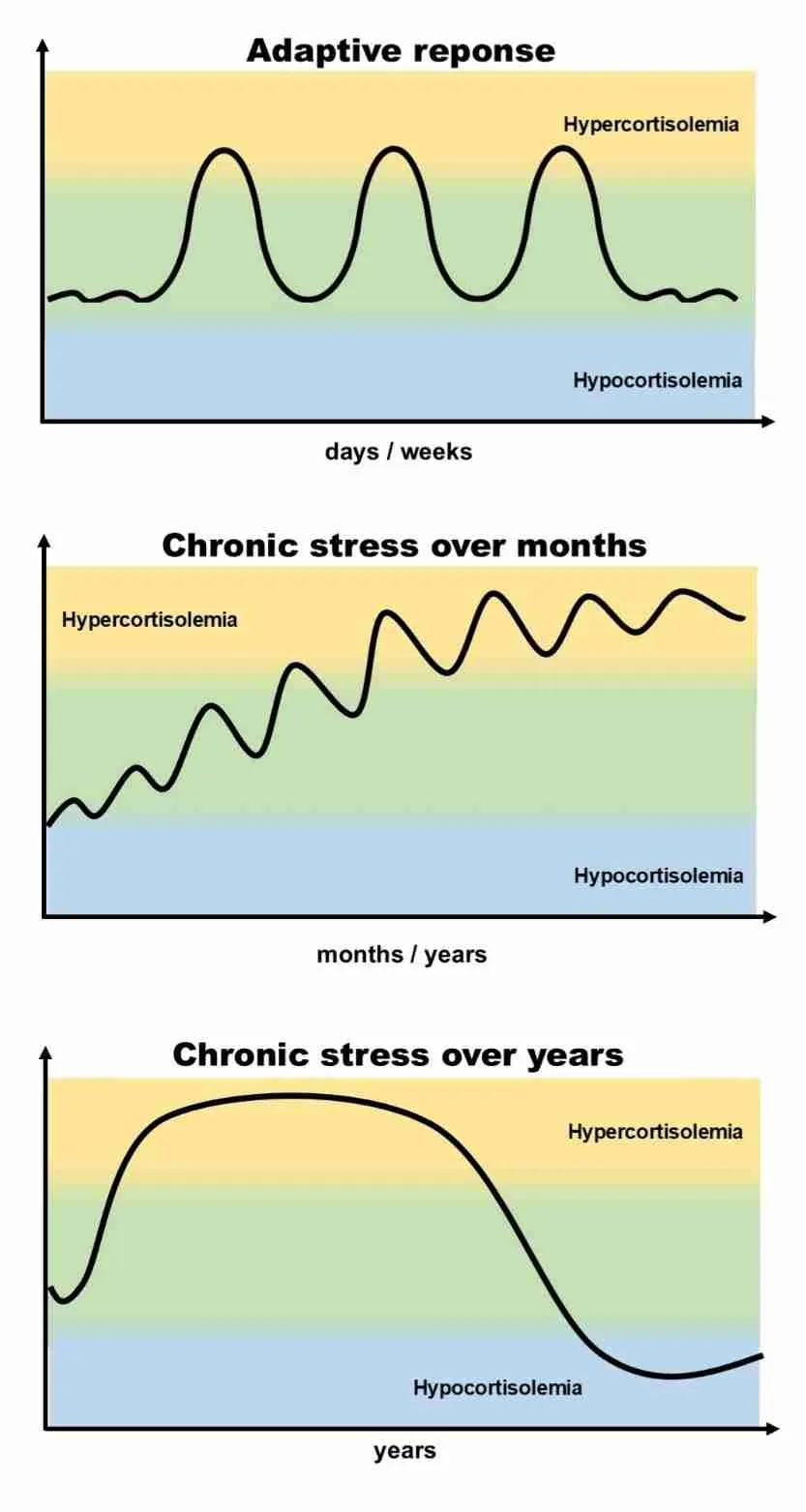
Cortisol is a necessary hormone. Acute elevations in cortisol are a normal and necessary part of the stress response.
HOWEVER, chronically elevated cortisol is problematic.
Persistent elevation is associated with:
Impaired fat oxidation
Reduced muscle protein synthesis
Increased abdominal fat storage
Disrupted sleep and recovery
Stressors that elevate cortisol include:
High training volume
Low caloric intake
Poor sleep
Psychological stress
These stressors are cumulative - your body does not distinguish them, The graph shows how chronic stress, can creep upwards through overtraining and how, if you’re not aware, it can seriously impact your ability to lose fat and build muscle.
Why “Doing More” Often Backfires
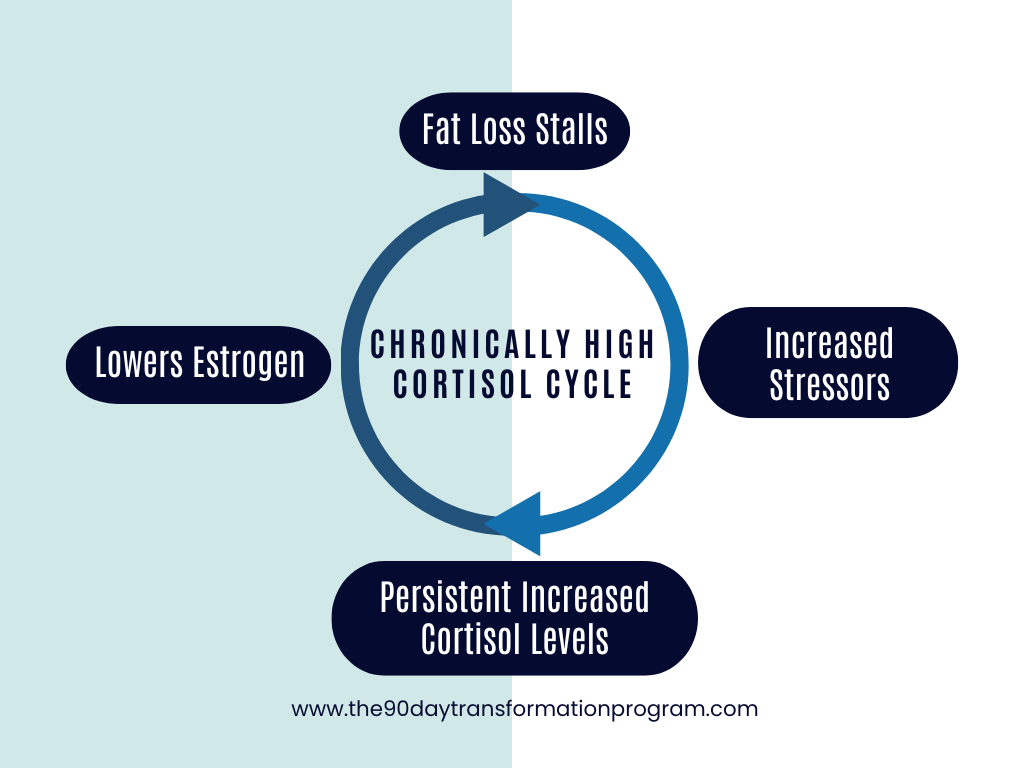
When fat loss stalls, many women respond by:
Eating less
Adding more cardio
Increasing training frequency
This often increases cortisol further.
The result?
Greater energy conservation
Reduced metabolic efficiency
Worsening fatigue
Minimal or no fat loss
This is not a motivation issue — it’s a stress load issue.
Hormones Respond to Context
Hormonal disruption does not require extremes.
Even moderate but persistent under-fueling combined with frequent training can:
Suppress reproductive hormone signaling
Reduce thyroid activity
Impair training adaptation
These effects can occur even when body weight appears “normal.”
In Summary
Hormones do not work in isolation.
They respond to numerous factors such as; energy availability, training stress, sleep quality, overall recovery.
Supporting fat loss in women requires managing total stress load — not escalating restriction or intensity.