
Why Women And Men Are Not The Same In Training And Nutrition
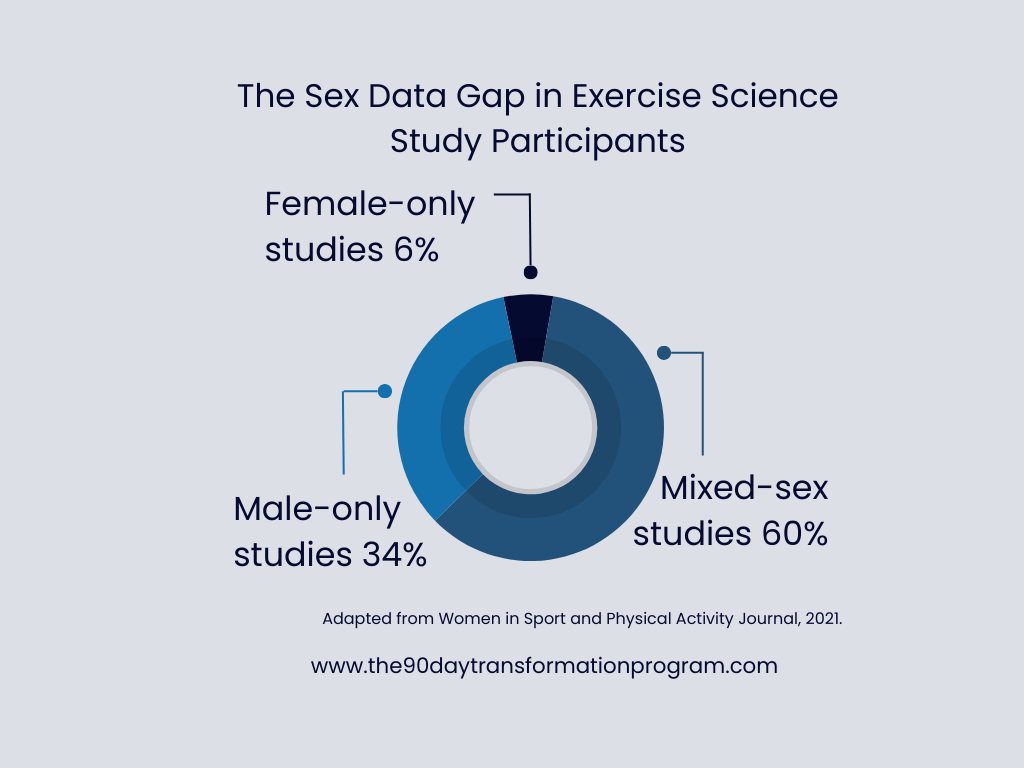
For decades, exercise and nutrition guidelines have been built almost entirely on male research.
Those same guidelines were then generally applied to women despite the fact that our bodies are physiologically, hormonally, and metabolically different.
The result?
Many women doing exactly what they’re being told — and still struggling.
Women Respond Differently to Training Stress
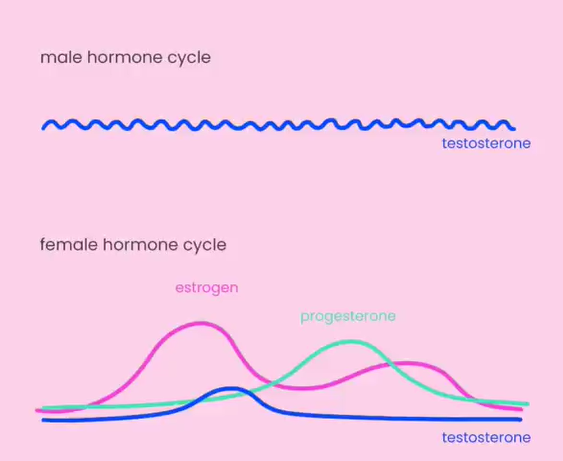
Female physiology is regulated by fluctuating reproductive hormones, not a stable hormonal baseline.
These fluctuations affect factors such as:
Fuel utilization
Recovery speed
Stress tolerance
Training adaptation
Training models built on male physiology often assume:
Stable hormone levels
Higher tolerance for energy deficits
Better recovery from high-volume endurance work
These assumptions do not reliably apply to women.
Energy Availability Matters More for Women
Women are more sensitive to prolonged low energy availability than men.
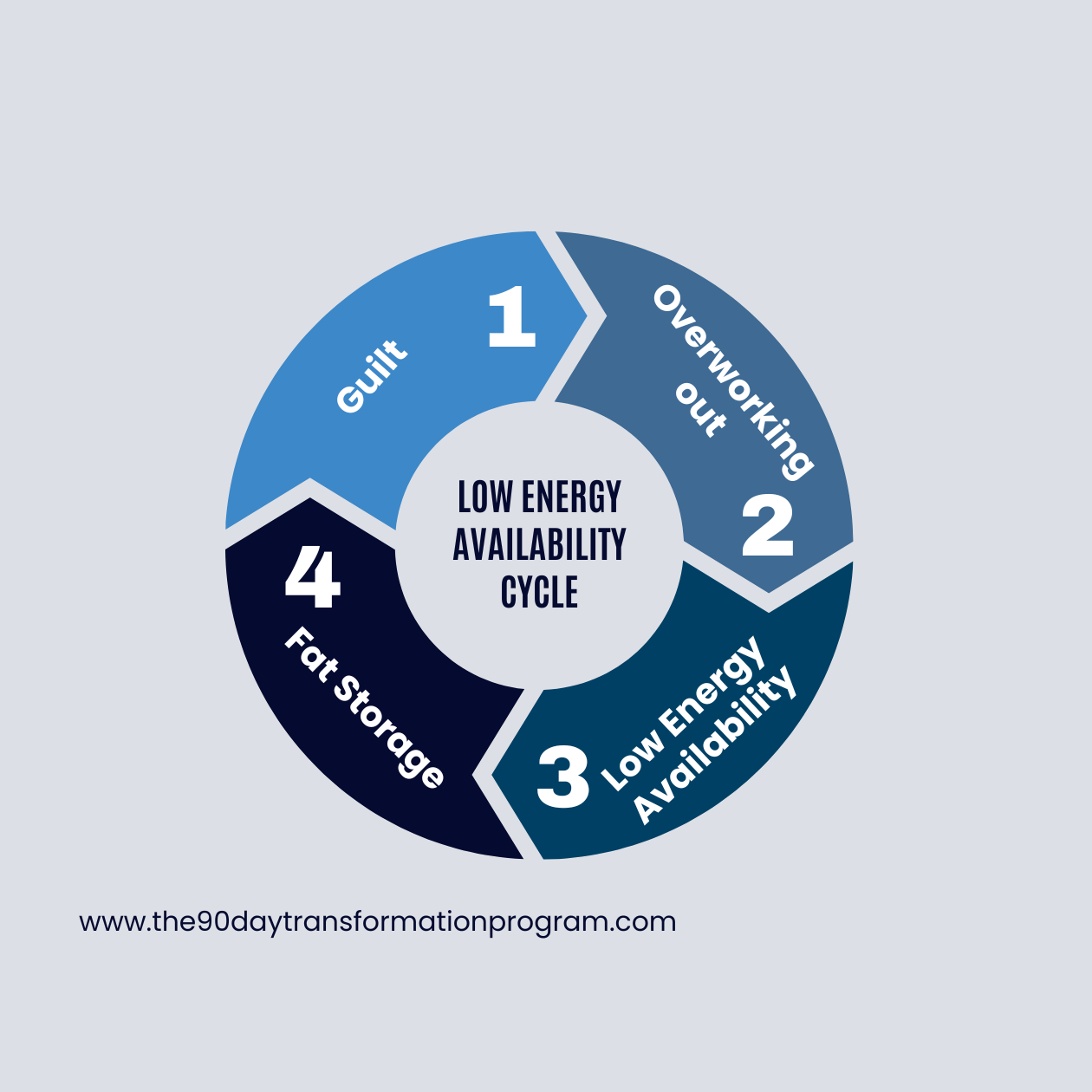
Low energy availability can be created by:
Calorie restriction
High training volume
Excessive cardio
Skipping meals or fasted training
When energy availability is chronically low, the body adapts by:
Reducing resting metabolic rate
Suppressing reproductive hormone signaling
Increasing stress hormone output
Limiting training adaptation
These adaptations are protective — not failures.
Stress Responses Are Amplified in Women
Training stress, nutritional stress, poor sleep, and psychological stress all activate the same physiological pathways.
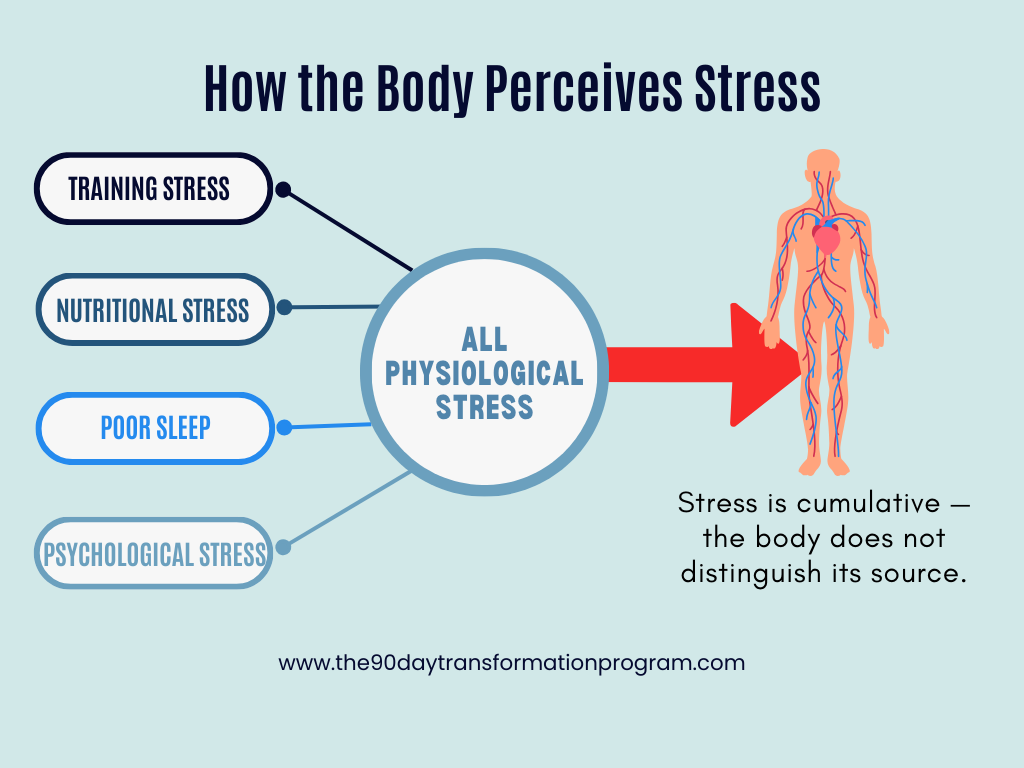
When the overall physiological stress exceeds your bodies recovery capacity:
Cortisol remains elevated
Recovery slows
Fat loss becomes harder
Injury risk increases
Some symptoms that indicate your stress exceed your recovery capacity are things like:
Feeling “wired but tired”
Stalled progress despite consistency
Increased fatigue from workouts that once felt manageable
Why Generic Fitness Advice Often Fails Women Over 30
Common recommendations that frequently backfire in women after 30 include:
Fasted training
High volumes of steady-state cardio
Aggressive calorie restriction
Training harder when progress stalls
These strategies often increase stress load without improving adaptation.
More effort does not always equal better results when physiology is misaligned.
in Summary
Women are not small men.
Effective training and nutrition strategies for women must account for:
Hormonal variability
Higher sensitivity to energy deficits
Cumulative stress exposure
Recovery as a limiting factor
When training and nutrition align with female physiology, progress becomes more consistent, sustainable, and protective of long-term health.