
Protein Needs for Women Over 30
From the mid-30s onward, many women notice that maintaining muscle tone, strength, and metabolic health becomes more difficult — even when they are exercising consistently and eating relatively well.
This shift is often blamed entirely on aging.
In reality, one of the most common contributing factors is insufficient protein intake relative to physiological demand.
Protein needs change with age, activity level, and hormonal environment. Many women continue eating the same amount of protein they consumed in their twenties, even as their bodies require a stronger stimulus to maintain lean muscle mass.
What Is Happening Physiologically
Skeletal muscle is constantly undergoing turnover through two competing processes:
Muscle protein synthesis – building new muscle tissue.
Muscle protein breakdown – degradation of existing tissue.
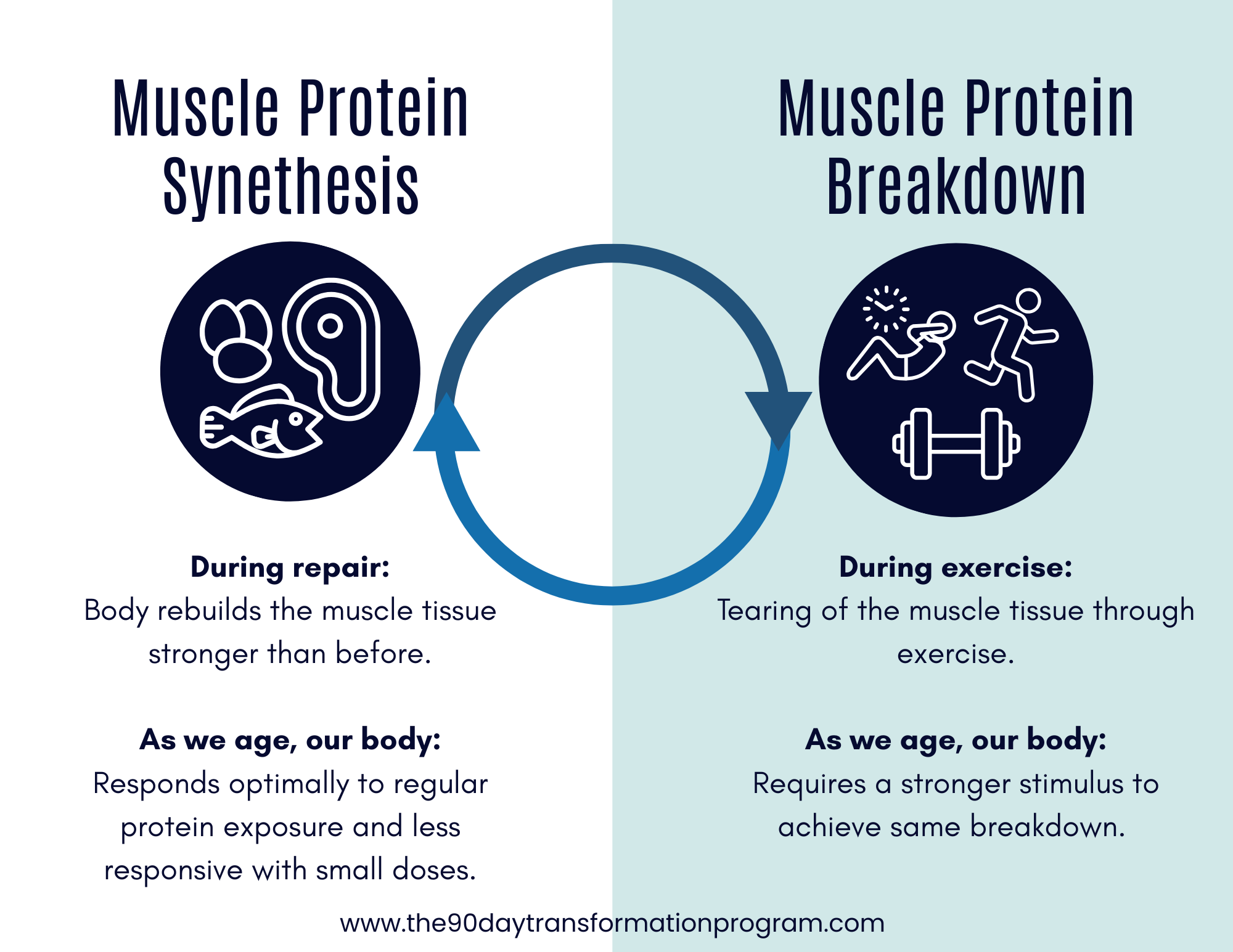
Health and strength depend on maintaining a balance between these processes.
With increasing age, muscle becomes harder to build, this is why:
Muscle protein synthesis becomes less responsive to small protein doses.
The body requires a stronger stimulus from both training and protein intake.
Extended/extreme dieting increases reliance on muscle tissue for energy.
This phenomenon is often referred to in the science as anabolic resistance.
Without sufficient protein intake, the balance between muscle breakdown and muscle repair begins to shift in the wrong direction.
Loss of lean muscle has several downstream effects:
Reduced resting metabolic rate
Declines in insulin sensitivity
Reduced skeletal loading for bone health
Greater difficulty maintaining body composition over time
What Research Shows About Protein Intake
Research consistently shows that adequate protein intake improves muscle preservation, metabolic health, and recovery, particularly when combined with resistance training.
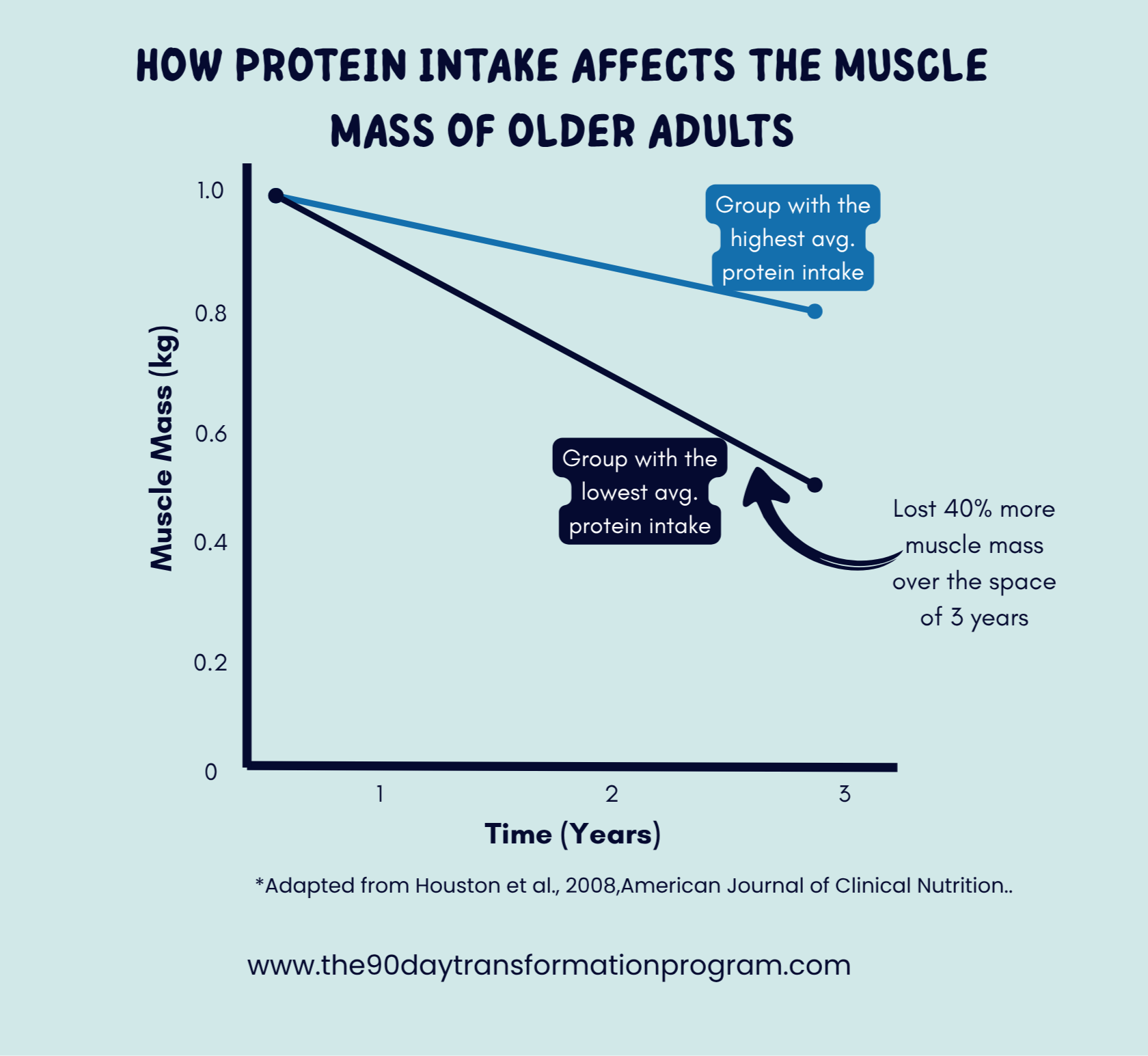
A study completed on older adults aged 70-79 showed that individuals with higher protein intake lose significantly less muscle mass over time — approximately 40% less compared to those with lower protein intake. This proves that protein intake plays a central role in preserving lean muscle as as we age.
Studies demonstrate that higher protein intake can:
Improve lean mass retention during fat loss.
Support glucose uptake through skeletal muscle.
Improve satiety and appetite regulation.

Importantly, many of these benefits occur even without changes in body weight, meaning improvements in metabolic health and body composition can occur even when the scale does not change.
Resistance training combined with adequate protein intake produces significantly greater improvements in muscle preservation than either intervention alone.
Practical Implications for Training
Protein intake directly influences how the body responds to training.
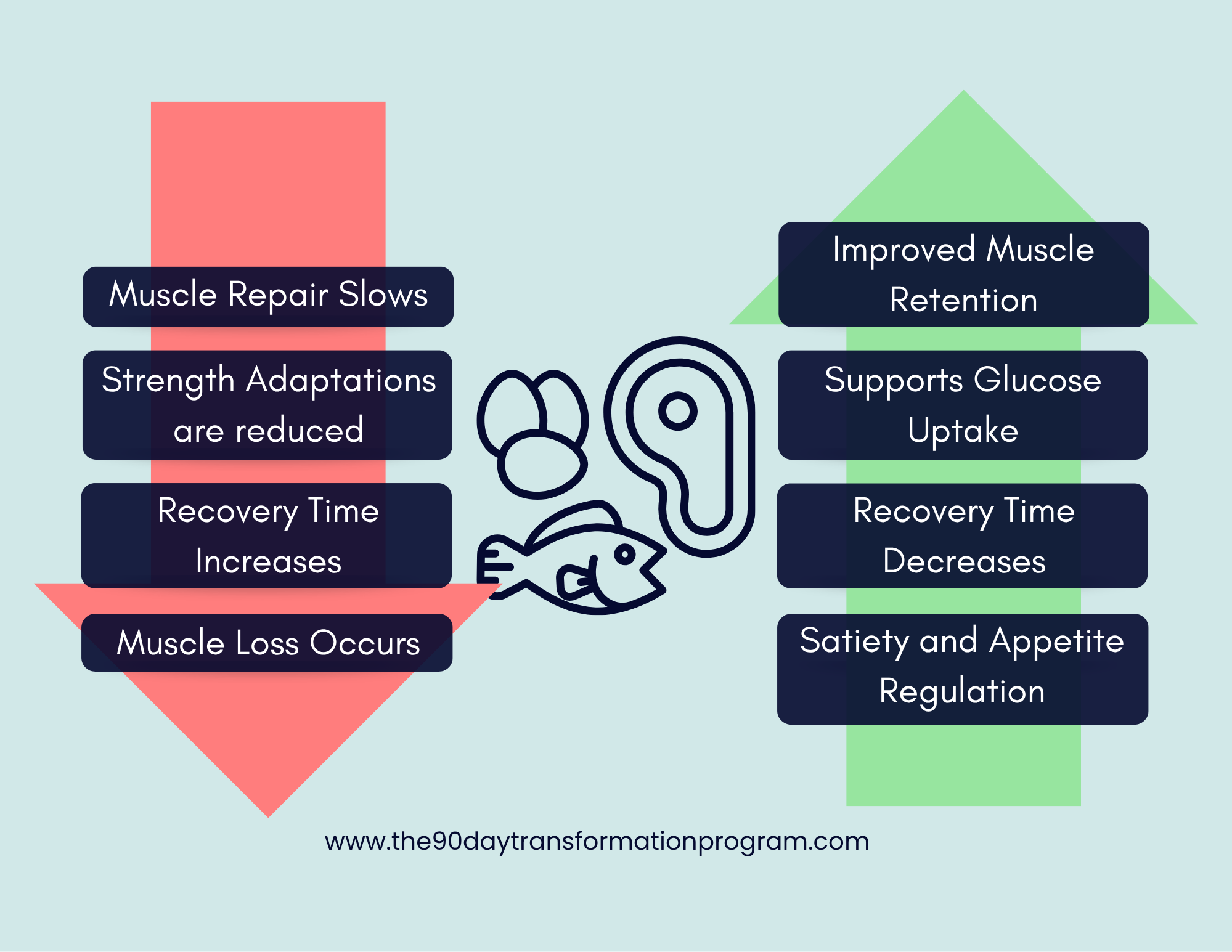
When protein intake is insufficient:
Muscle repair becomes slower
Strength adaptations are reduced
Recovery time increases
Risk of muscle loss during dieting rises
Resistance training increases muscle protein turnover, which means protein requirements rise alongside training demand.
Training without adequate protein is essentially a mismatched input — the stimulus for adaptation exists, but the building blocks required for repair are missing.
Practical Implications for Nutrition
For women over 30, protein intake should be distributed consistently throughout the day, rather than concentrated in a single meal.
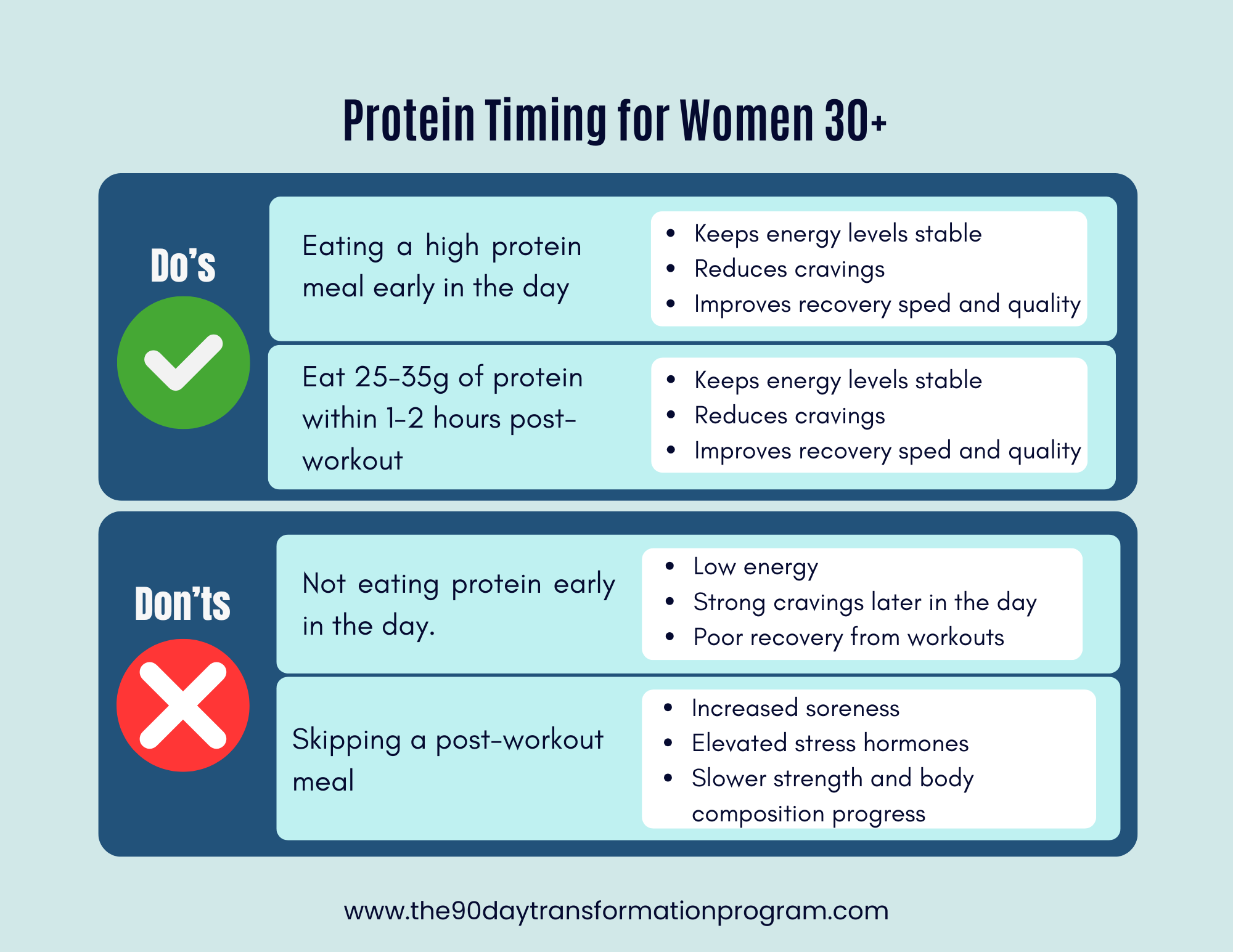
Common dietary mistakes women often make:
Low-protein breakfasts
Minimal protein during the day
Large protein intake at dinner
Reducing protein intake during dieting phases.
Assuming protein needs remain the same as in their twenties.
This pattern may leave long periods where muscle protein synthesis is not effectively stimulated.
Regular protein intake across meals helps support repeated cycles of muscle repair and maintenance throughout the day.
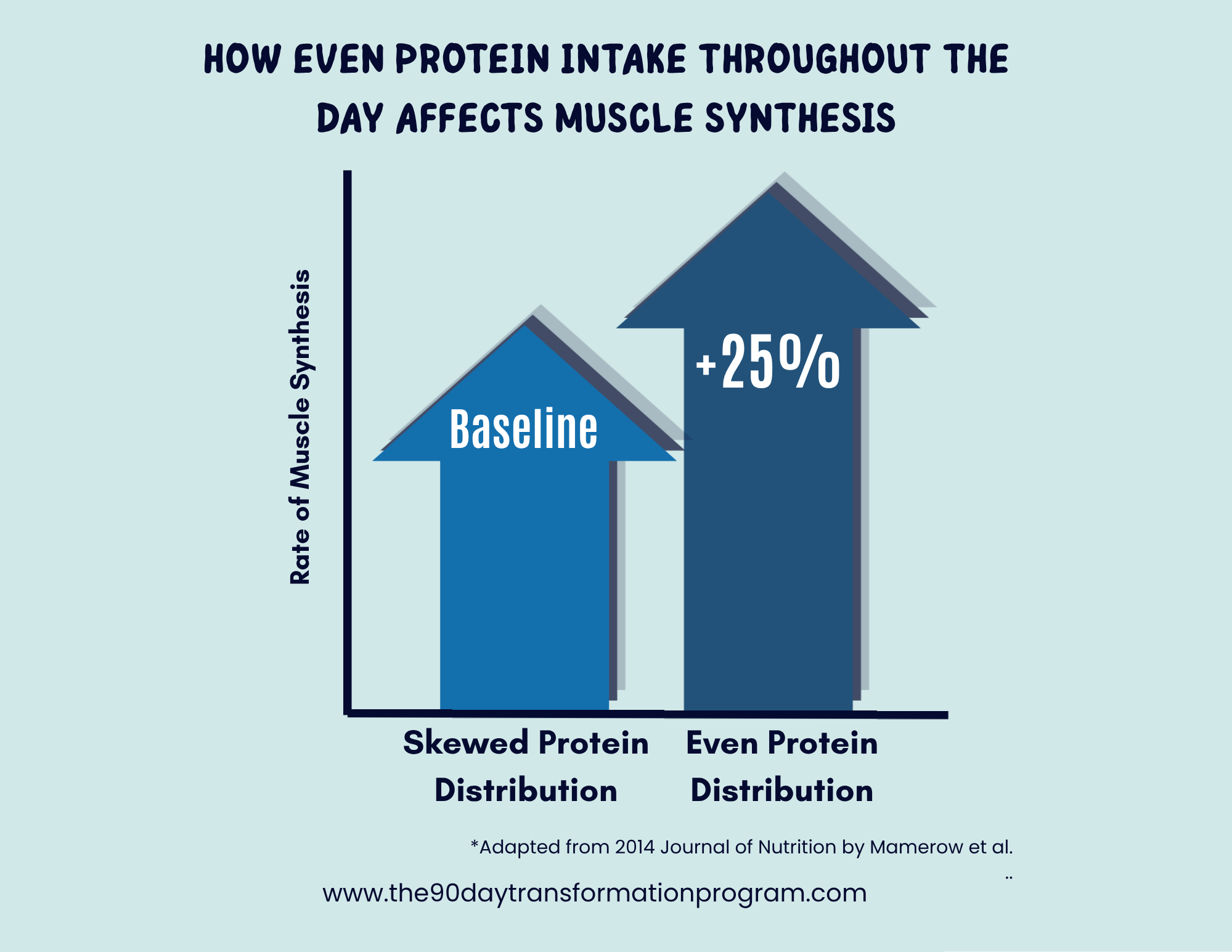
One 2014 study showed that the consumption of a moderate amount of protein at each meal stimulated 24-h muscle protein synthesis up to 25% more effectively than skewing protein intake toward the evening meal.
Protein intake also becomes more important during calorie deficits, when the body is more likely to break down muscle tissue for energy.
In Summary
Protein needs increase relative to physiological demand as women age, particularly when training regularly or dieting.
For women over 30, adequate protein intake supports:
Muscle preservation
Metabolic health
Training recovery
Long-term body composition
Rather than viewing protein as a “bodybuilding nutrient,” it should be understood as a foundational nutrient for maintaining strength, metabolic function, and resilience over time.
References
Houston, D. K., et al. (2008). Dietary protein intake is associated with lean mass change in older adults. American Journal of Clinical Nutrition.
Leidy, H. J., et al. (2015). The role of protein in weight loss and maintenance. American Journal of Clinical Nutrition.
Longland, T. M., et al. (2016). Higher compared with lower dietary protein during an energy deficit combined with intense exercise promotes greater lean mass gain and fat mass loss. American Journal of Clinical Nutrition.
Mamerow, M. M., et al. (2014).Dietary protein distribution positively influences 24-h muscle protein synthesis in healthy adults. Journal of Nutrition.
Moore, D. R., et al. (2015).
Protein ingestion to stimulate myofibrillar protein synthesis requires greater relative protein intakes in healthy older versus younger men. Journals of Gerontology Series A.
Phillips, S. M., & Van Loon, L. J. (2011). Dietary protein for athletes: From requirements to optimum adaptation. Journal of Sports Sciences.
Srikanthan, P., & Karlamangla, A. S. (2010). Relative muscle mass is inversely associated with insulin resistance and prediabetes. Journal of Clinical Endocrinology & Metabolism.