
Training When You’re Tired, Stressed, or Short on Time.
For many women, the primary barrier to consistent training is not motivation — it is capacity.
Fatigue, psychological stress, and limited time often occur simultaneously. Work demands, family responsibilities, and disrupted sleep all increase total stress exposure. When this happens, the body’s ability to recover from training decreases.
Training does not need to stop during these periods, but it often needs to be adjusted.
Stress Reduces Recovery Capacity
Fatigue is often the result of cumulative stress rather than simply exercise alone.
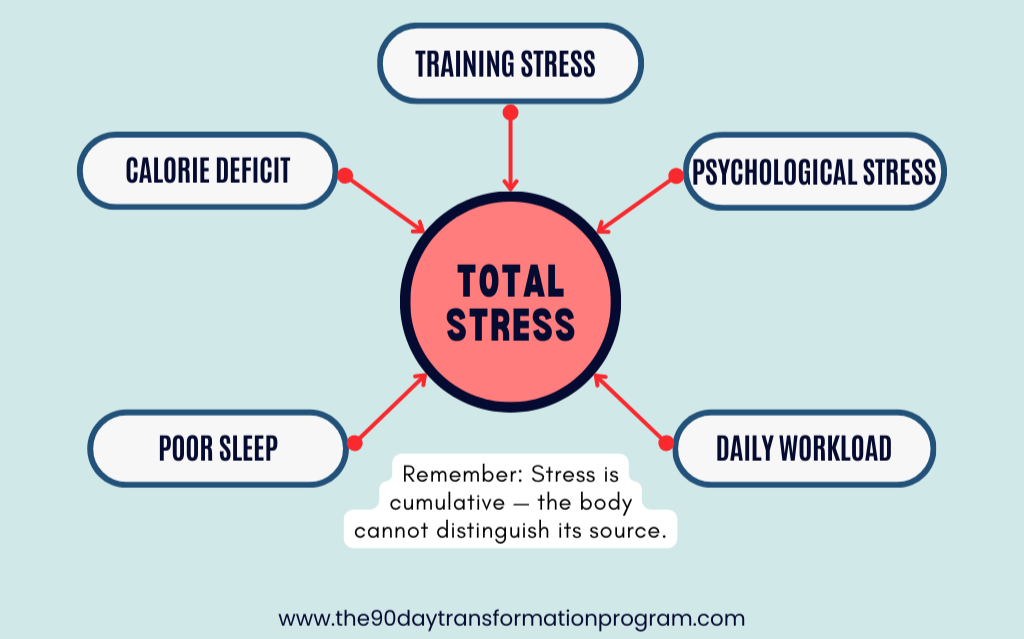
Training stress combines with:
Sleep disruption
Psychological stress
Calorie deficits
Daily workload
When total stress exceeds recovery capacity, adaptation slows. Performance may decline, fatigue increases, and injury risk rises.
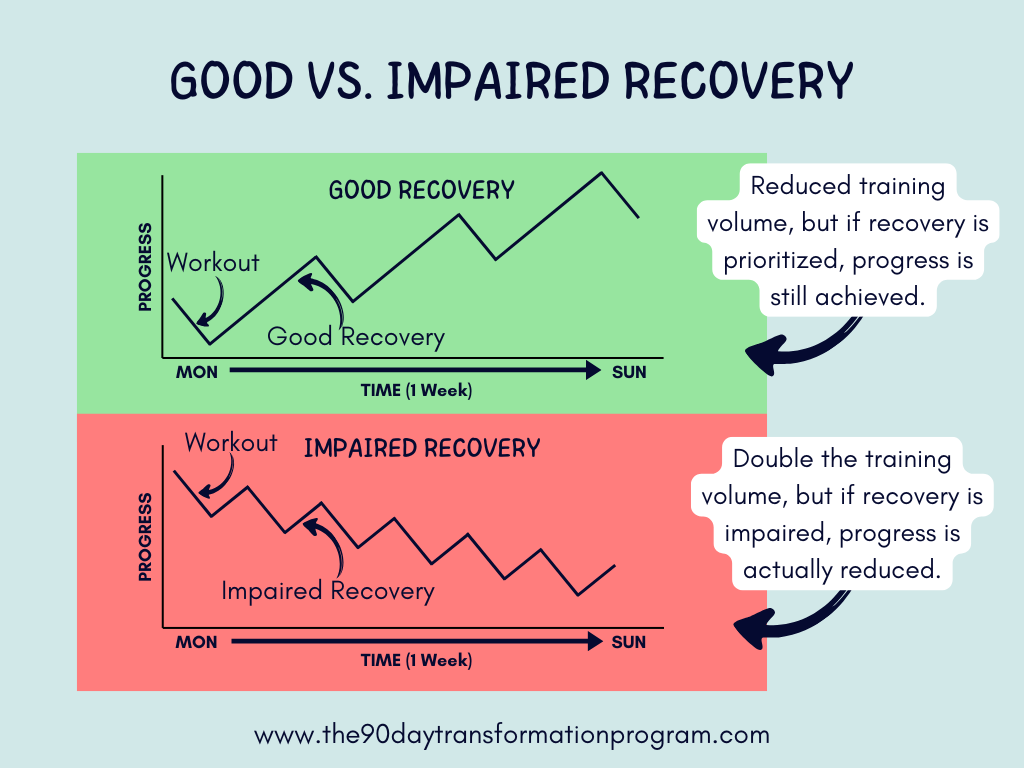
During these periods, maintaining the same training volume and intensity often becomes counterproductive.
Lower Volume Can Still Maintain Progress
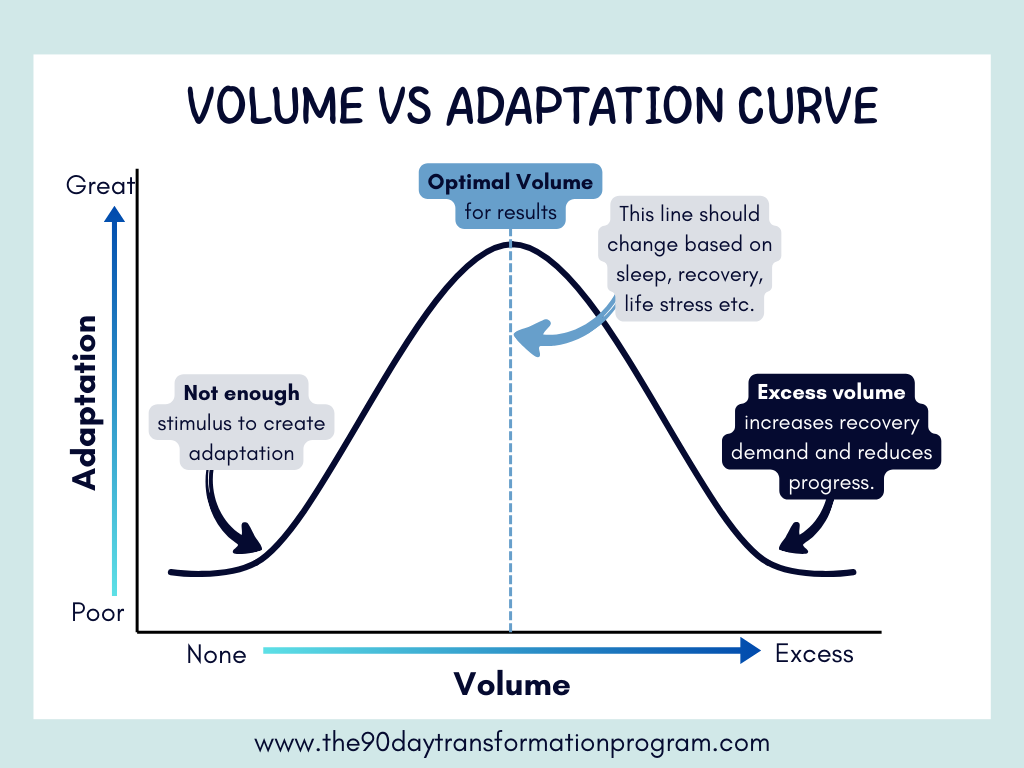
One common mistake during stressful periods is attempting to maintain normal training volume despite reduced recovery resources.
Research shows that strength and muscle mass can often be maintained with lower training volume as long as intensity is preserved.
This means shorter, more focused training sessions can still provide enough stimulus to maintain strength and lean tissue.
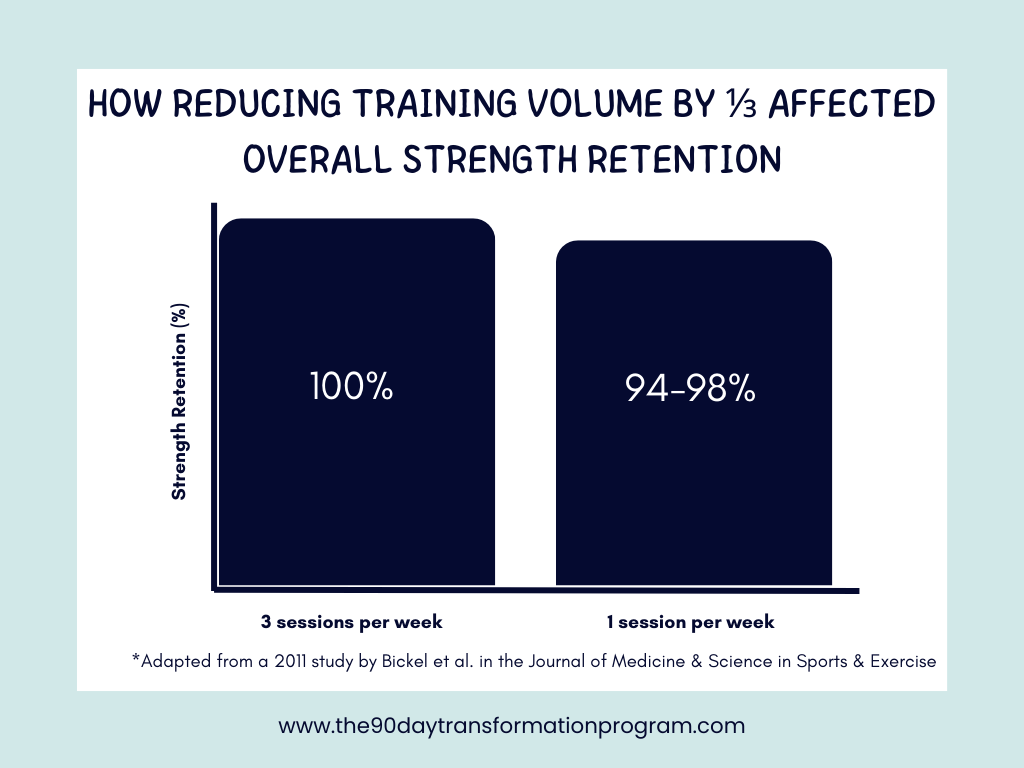
A 2011 study required participants trained for 3 times a week for 16 weeks to build strength and muscle before switching to reduced training for 32 weeks. The results showed that the control group that continued with 3 sessions a week maintained 100% of their strength whilst the group that switch to just 1 session a week maintained 94-98% of strength gained in the initial 16 week period. Showing that reducing your training volume by a 1/3 does not massively reduce your strength gains.
Quality of training becomes more important than quantity.
Strength Training Should Be Prioritized
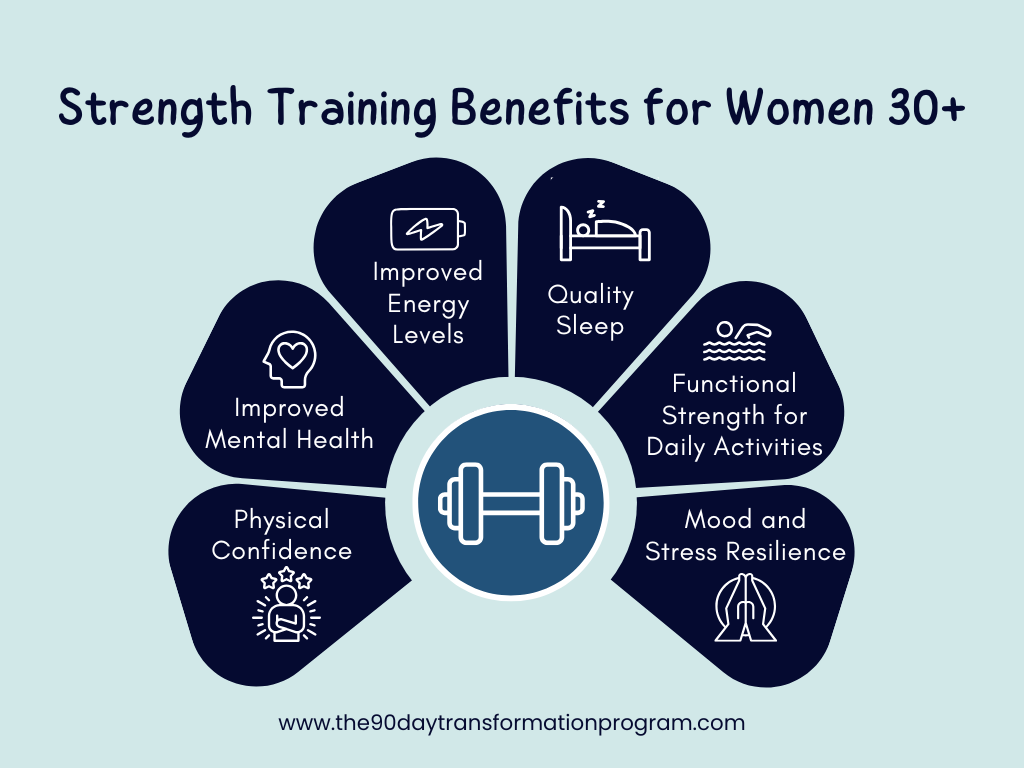
When time or energy is limited, resistance training provides the greatest return.
Strength training:
Preserves lean muscle mass
Supports metabolic health
Maintains bone density
Cardiovascular training remains beneficial. However, prolonged or frequent cardio sessions may increase stress load during periods of fatigue.

Temporarily reducing cardio volume while maintaining strength work during times of increased stress often produces better outcomes due to the importance of maintaining lean mass.
Efficient Sessions Improve Sustainability
Training sessions do not need to be long to be effective.
Sessions built around compound movements — such as squats, presses, rows, and hinges — allow multiple muscle groups to be trained efficiently. Removing unnecessary accessory work can reduce training time while maintaining the mechanical stimulus needed for adaptation.
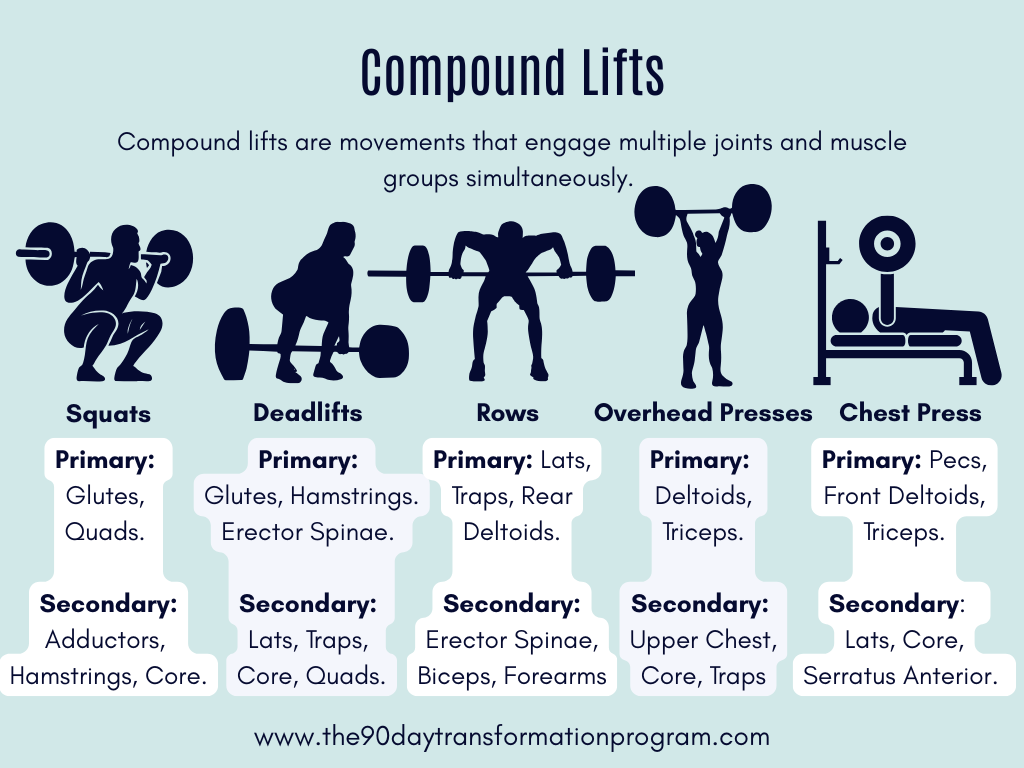
This approach helps preserve consistency when schedules are tight.
Autoregulation Helps Training Adapt to Real Life
Autoregulated training adjusts training load, volume, or intensity based on daily readiness rather than following a fixed prescription.

Use simple indicators to base your training adjustments, such as:
Energy levels
Sleep quality
Perceived exertion
Utilizing these indictors can help guide small adjustments to your training intensity.
This flexibility reduces injury risk and allows training to remain productive during periods of higher life stress.
In Summary
Training does not need to be maximal to be effective.
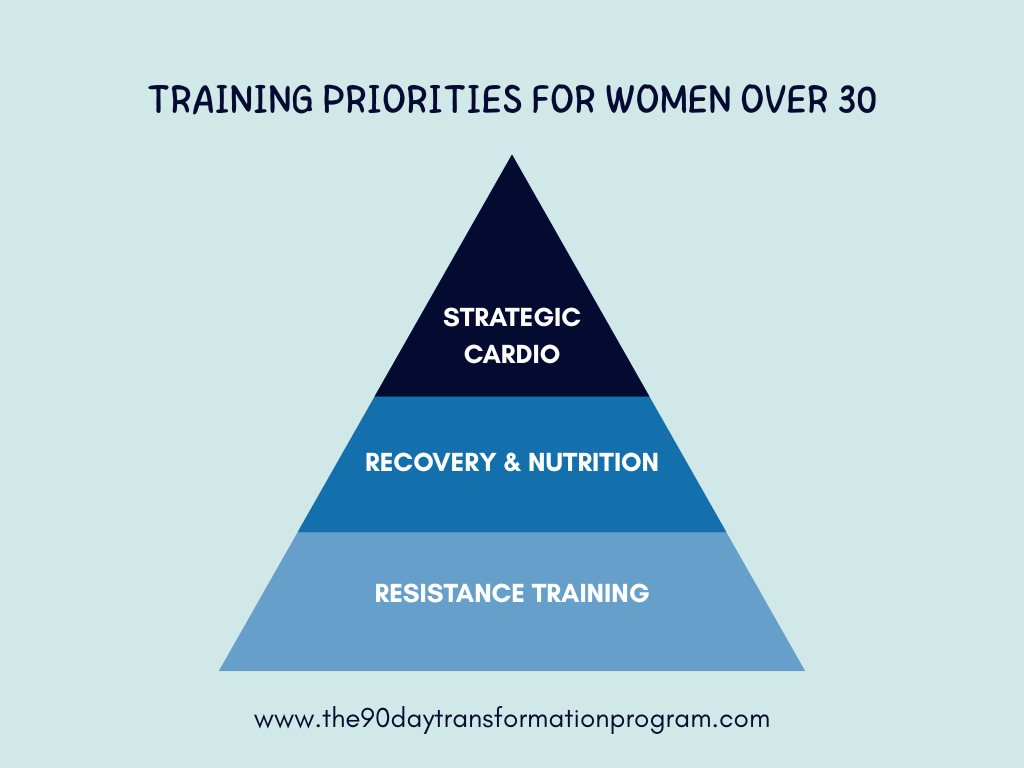
If you’re not sure what to prioritize, you can use this pyramid structure to help.
When stress or fatigue is high, reducing volume, prioritizing strength, and adjusting intensity allows progress to continue without overwhelming recovery capacity.
Consistency through adjustment produces better long-term outcomes than pushing through exhaustion.
References
Bickel CS, Cross JM, Bamman MM. Exercise dosing to retain resistance training adaptations in young and older adults. Medicine & Science in Sports & Exercise. 2011;43(7):1177–1187.
Fullagar HHK, Skorski S, Duffield R, et al. Sleep and athletic performance: The effects of sleep loss on exercise performance. Sports Medicine. 2015;45(2):161–186.
Grgic J, Schoenfeld BJ, Davies TB, et al. Effect of resistance training frequency on muscle strength and hypertrophy: A systematic review and meta-analysis. Sports Medicine. 2018;48:1207–1220.
Hackney AC. Stress and the neuroendocrine system: The role of exercise as a stressor and modifier of stress. Expert Review of Endocrinology & Metabolism. 2006;1(6):783–792.
Halson SL. Monitoring training load to understand fatigue in athletes. Sports Medicine. 2014;44(S2):139–147.
Helms ER, Storey A, Cross MR, et al. RPE and velocity relationships for autoregulating resistance training intensity. Journal of Strength and Conditioning Research. 2018;32(2):392–397.
Kellmann M. Preventing overtraining in athletes in high-intensity sports and stress/recovery monitoring. Scandinavian Journal of Medicine & Science in Sports. 2010;20(S2):95–102.
Meeusen R, et al. Prevention, diagnosis, and treatment of the overtraining syndrome. Medicine & Science in Sports & Exercise. 2013;45(1):186–205.
Willis LH, Slentz CA, Bateman LA, et al. Effects of aerobic and/or resistance training on body mass and fat mass in overweight or obese adults. Journal of Applied Physiology. 2012;113(12):1831–1837.