
WHY BUILDING MUSCLE IS A NON-NEGOTIABLE FOR WOMEN AFTER 30
For many women, turning 30 is the point where the strategies that once seemed to work begin producing very different results.
Fat loss feels harder.
Energy feels lower.
Recovery takes longer.
The workouts and diets that once delivered quick results no longer seem to have the same effect.
It can often feel like your body has suddenly started working against you.
In reality, your body hasn't stopped responding—it simply has different physiological priorities.
One of the biggest changes that occurs throughout our 30s and beyond is that preserving and building muscle becomes increasingly important for maintaining metabolic health, hormonal health, bone density, and long-term quality of life.
Understanding why muscle matters forms the foundation for everything we'll cover throughout this Women's Health Education Series.
Why Muscle Is the Foundation of Women's Health
Many women associate muscle with appearance.
In reality, skeletal muscle is one of the body's most metabolically active tissues and plays an important role in almost every aspect of healthy aging.
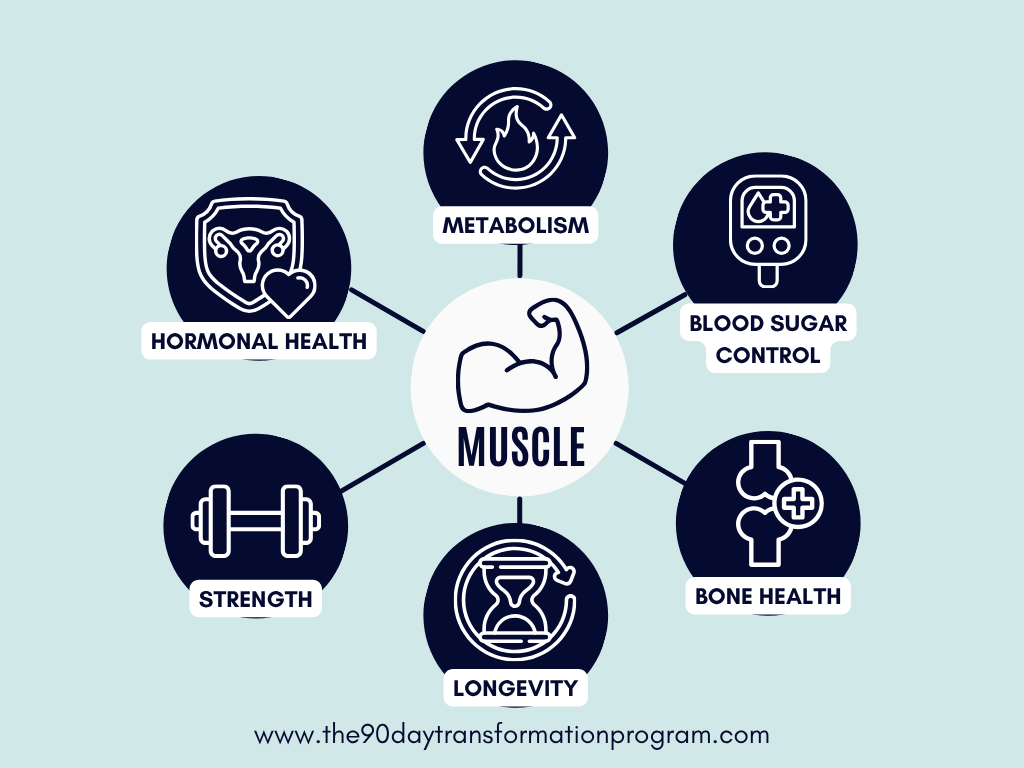
Healthy muscle helps regulate:
Metabolic rate
Blood glucose control
Insulin sensitivity
Hormonal health
Bone strength
Physical function
Recovery from exercise
While fat loss is often the primary goal, building and maintaining muscle is what allows women to achieve healthier body composition while supporting long-term health.
Rather than viewing muscle as something that simply changes how you look, it should be viewed as an investment in how your body functions for decades to come.
Muscle Protects Your Metabolism
Beginning in our 30s, muscle mass gradually declines unless it is challenged through resistance training.
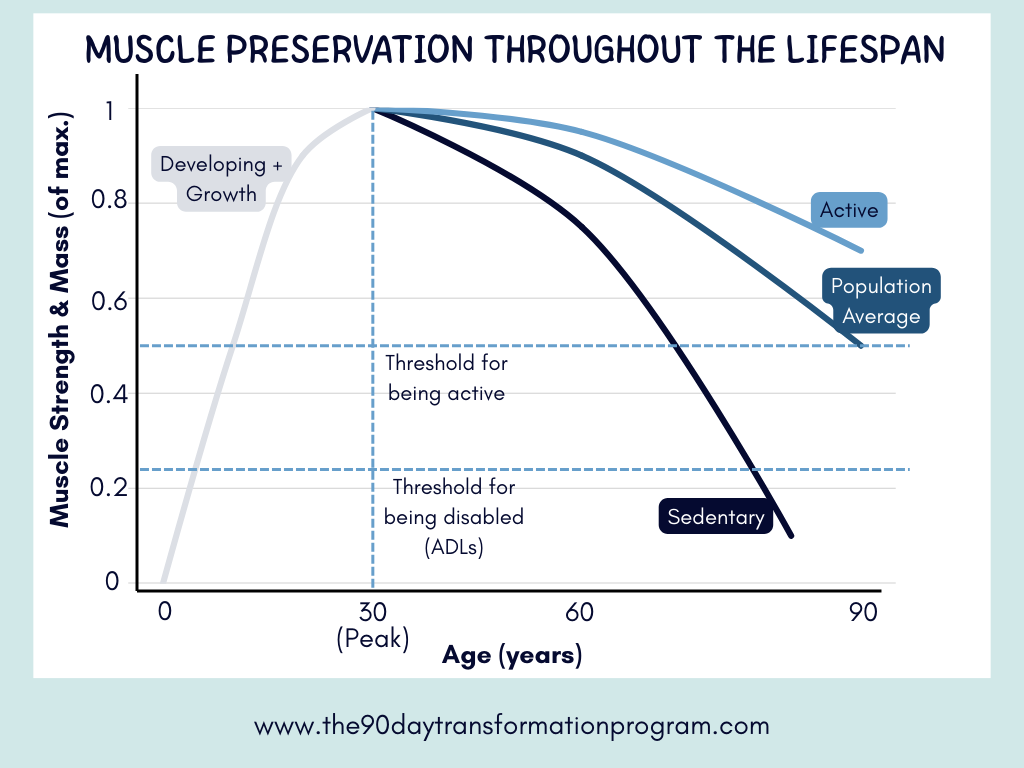
This graph shows the typical trajectory of muscle strength and mass across the lifespan. Indicating a significant range in relative strength and muscle mass, depending on one’s lifestyle.
From Gustafsson and Ulfhake (2024)
This process, known as sarcopenia, occurs slowly over time and can accelerate with:
Sedentary lifestyles
Chronic dieting
Inadequate protein intake
Excessive cardio without resistance training
Research suggests adults lose approximately 3–8% of muscle mass per decade after the age of 30 if preventative strategies are not implemented.
Because muscle tissue is metabolically active, losing muscle often contributes to:
A lower resting metabolic rate
Reduced insulin sensitivity
Greater difficulty maintaining body composition
Increased risk of age-related metabolic disease
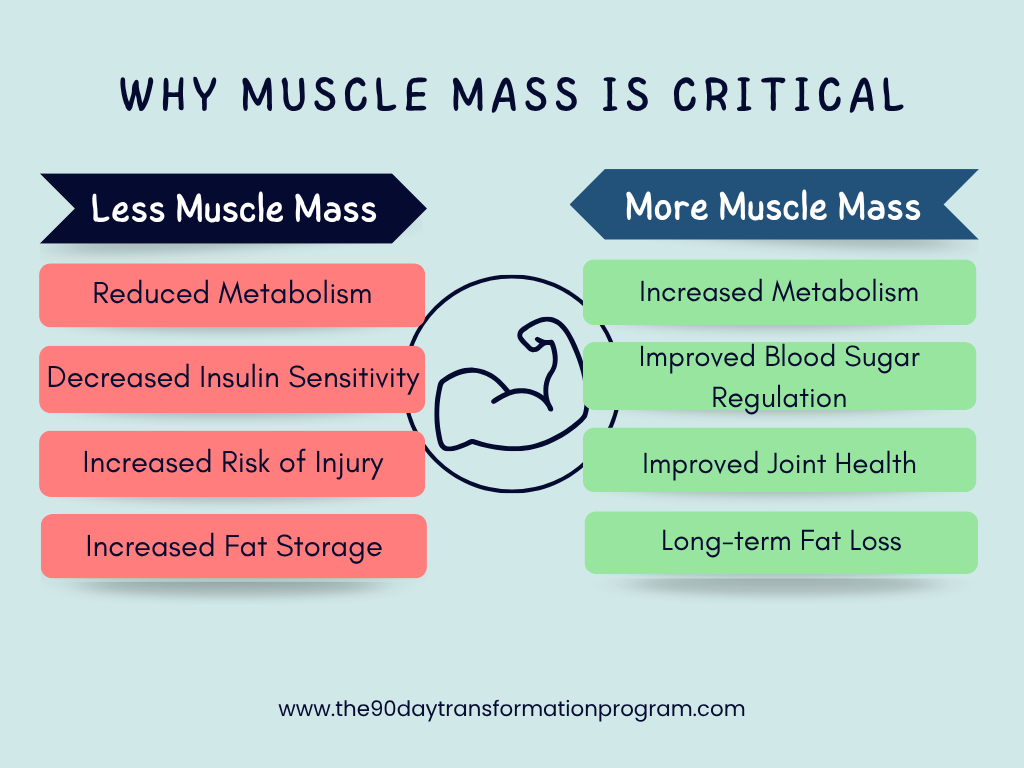
Building and maintaining muscle helps preserve metabolic rate and allows the body to use energy more efficiently throughout life.
What this means: Fat loss isn't simply about eating less—it's about maintaining the tissue that helps regulate metabolism in the first place.
Muscle Supports Hormonal and Metabolic Health
Muscle plays a central role in how the body stores and uses glucose.
Skeletal muscle is the body's largest site for glucose disposal, meaning it helps remove glucose from the bloodstream and improves insulin sensitivity.
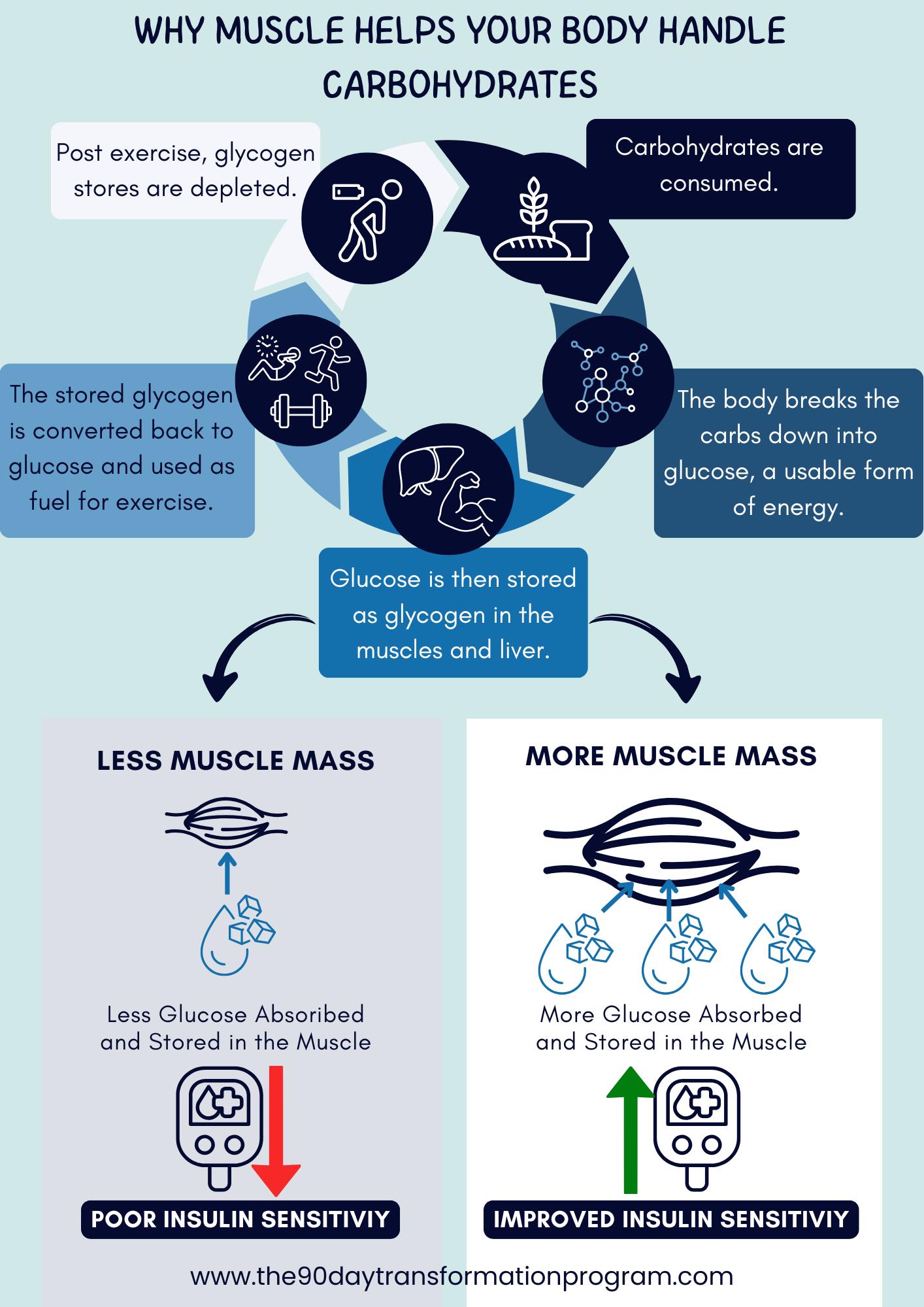
Research has consistently shown that increasing muscle mass through resistance training:
Improves insulin sensitivity
Enhances glucose uptake
Improves metabolic flexibility
Reduces the likelihood of excess energy being stored as body fat
This becomes increasingly important as women approach perimenopause, when changes in estrogen can alter carbohydrate metabolism and increase the tendency to store fat around the abdomen.
Resistance training has repeatedly been shown to improve metabolic health—even in the absence of significant weight loss.
What this means: Building muscle doesn't just help you burn calories. It improves how efficiently your body uses the calories you eat.
Muscle Protects Bone Density and Joint Health
Muscle doesn't only support metabolism—it also protects the structures that allow us to move.
Beginning in our 30s, women gradually begin to lose bone mineral density, with this decline accelerating during perimenopause and menopause as estrogen levels decrease.
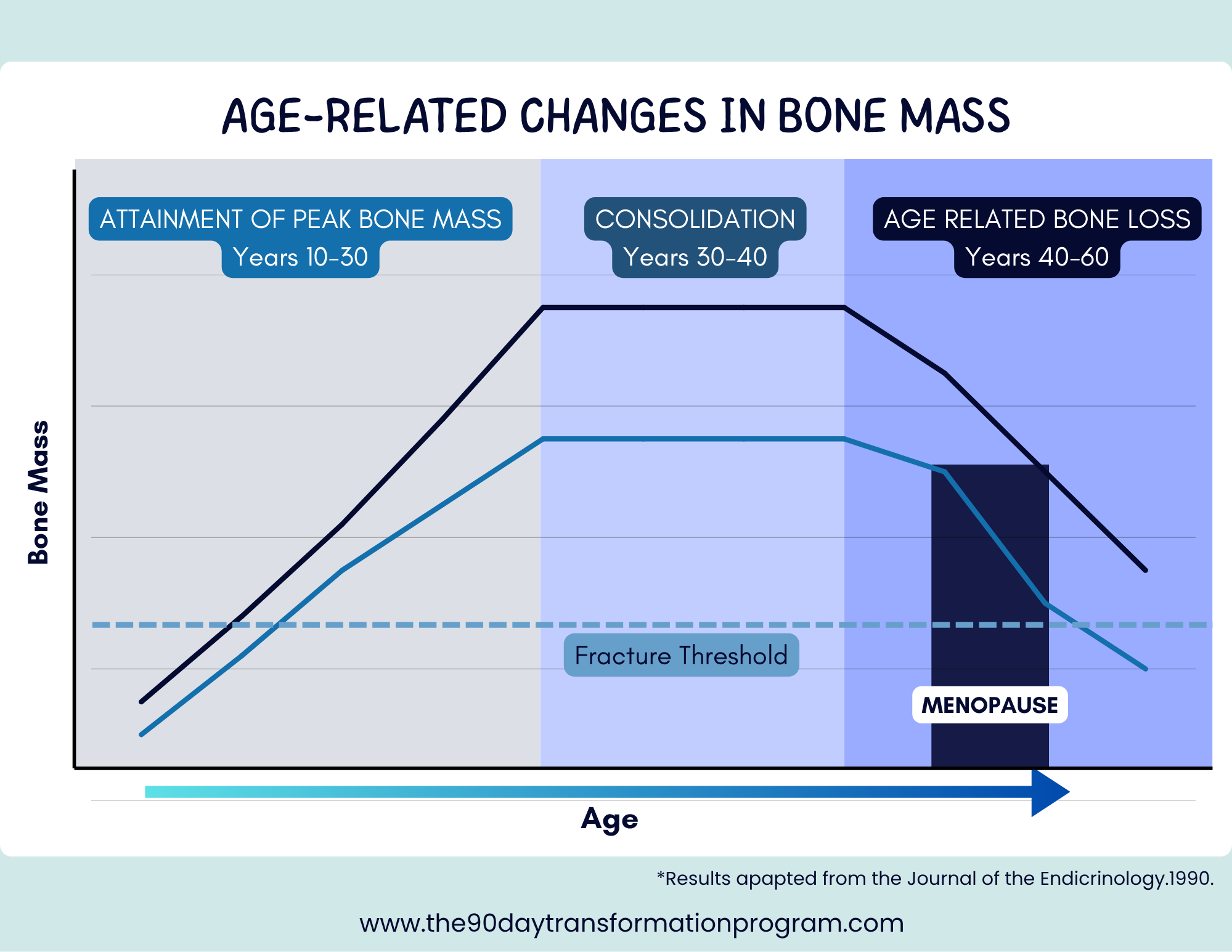
This graph from the Journal of Clinical Endocrinology shows how bone mineral density is affected by age and gender.
Resistance training provides the mechanical loading needed to:
Stimulate bone formation
Slow age-related bone loss
Improve joint stability
Strengthen tendons and connective tissue
Research consistently supports resistance training as one of the most effective non-pharmacological strategies for reducing the risk of osteoporosis and fractures later in life.
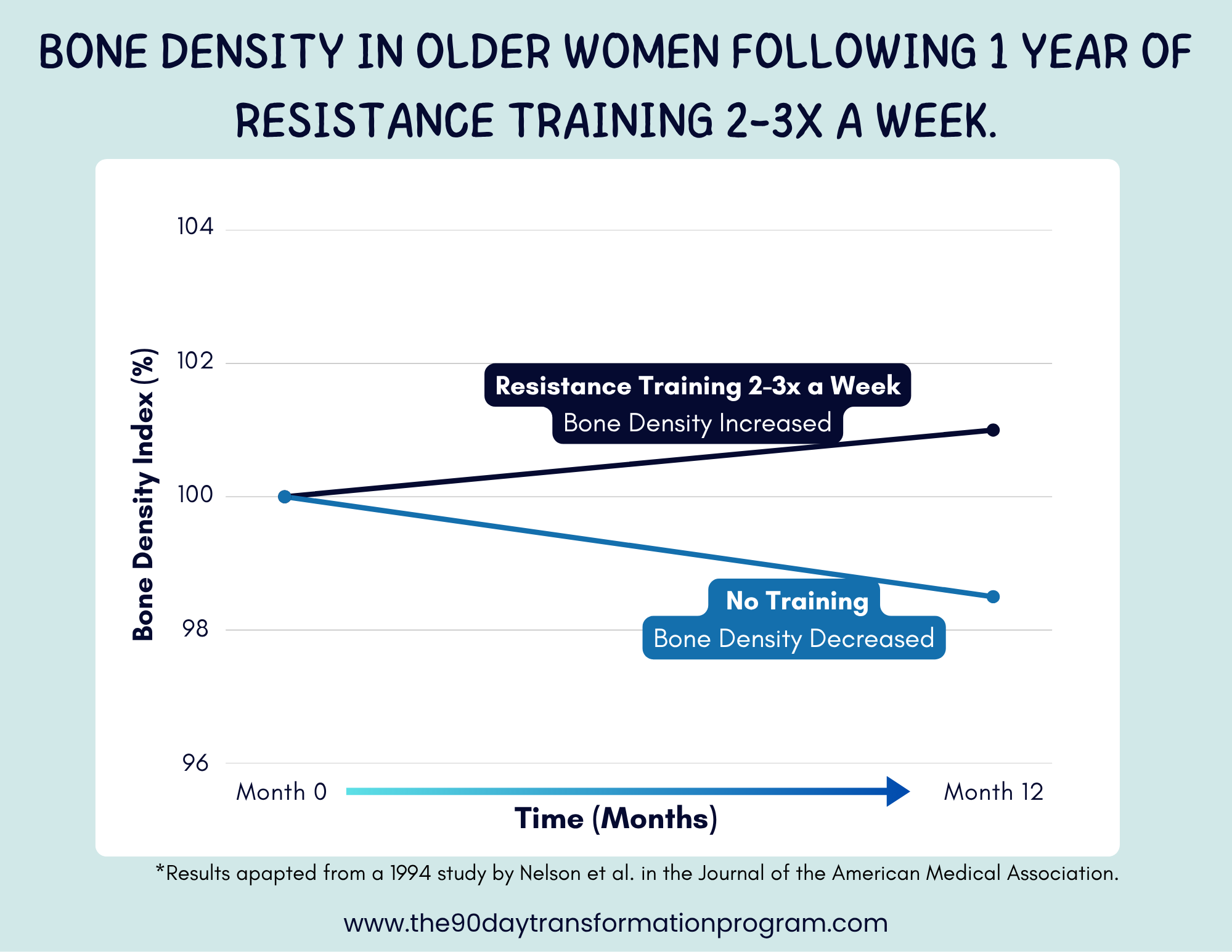
Strong muscles help protect strong bones.
What this means: Strength training isn't simply preparing you for next summer—it's helping protect your independence decades from now.
Muscle Improves Energy, Confidence, and Quality of Life
The benefits of strength training extend well beyond physical appearance.
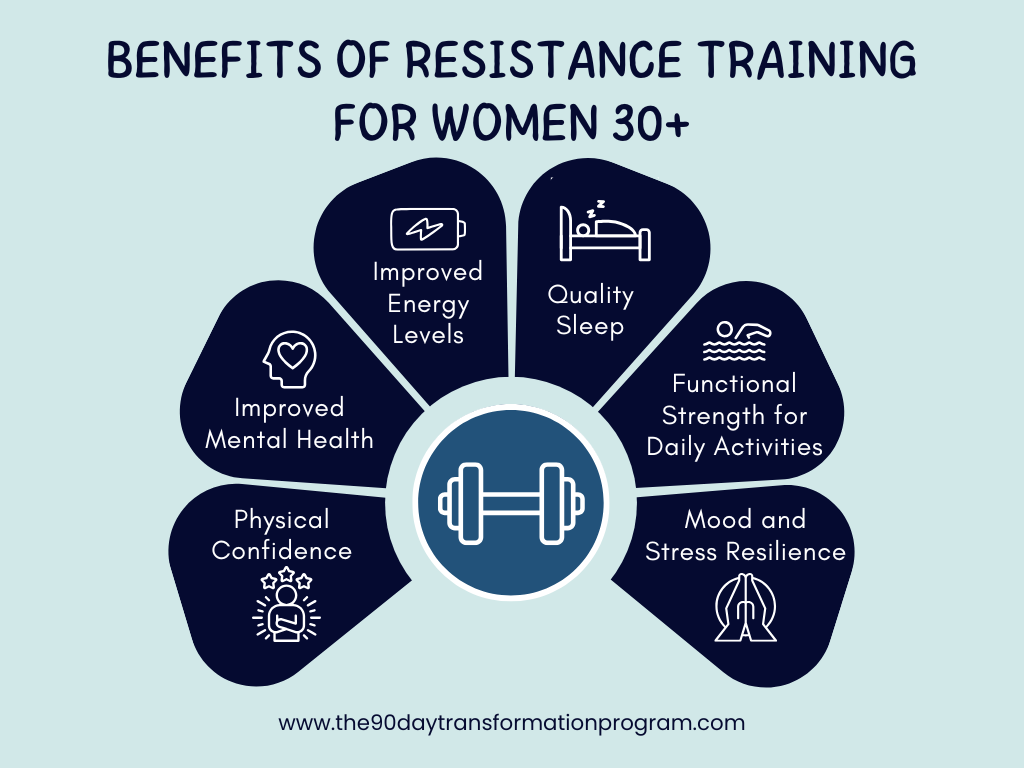
Research has shown resistance training can improve:
Energy levels
Physical confidence
Mood and stress resilience
Functional strength
Balance and mobility
Quality of life
Women who train consistently often report feeling:
Stronger
More capable
More resilient
More confident in what their bodies can do
Rather than leaving women feeling depleted, properly structured strength training builds physical capacity and supports the nervous system's ability to recover and adapt.
What this means: Strength isn't just something you see—it changes how you move, feel, and live every day.
Common Mistakes Women Make
Many women unintentionally work against their long-term health by:
Prioritizing calorie burn over strength development
Avoiding resistance training for fear of becoming bulky
Relying on excessive cardio for fat loss
Chronic dieting without supporting muscle preservation
Viewing muscle as an aesthetic goal rather than a health investment
These strategies often make progress more difficult over time.
In Summary
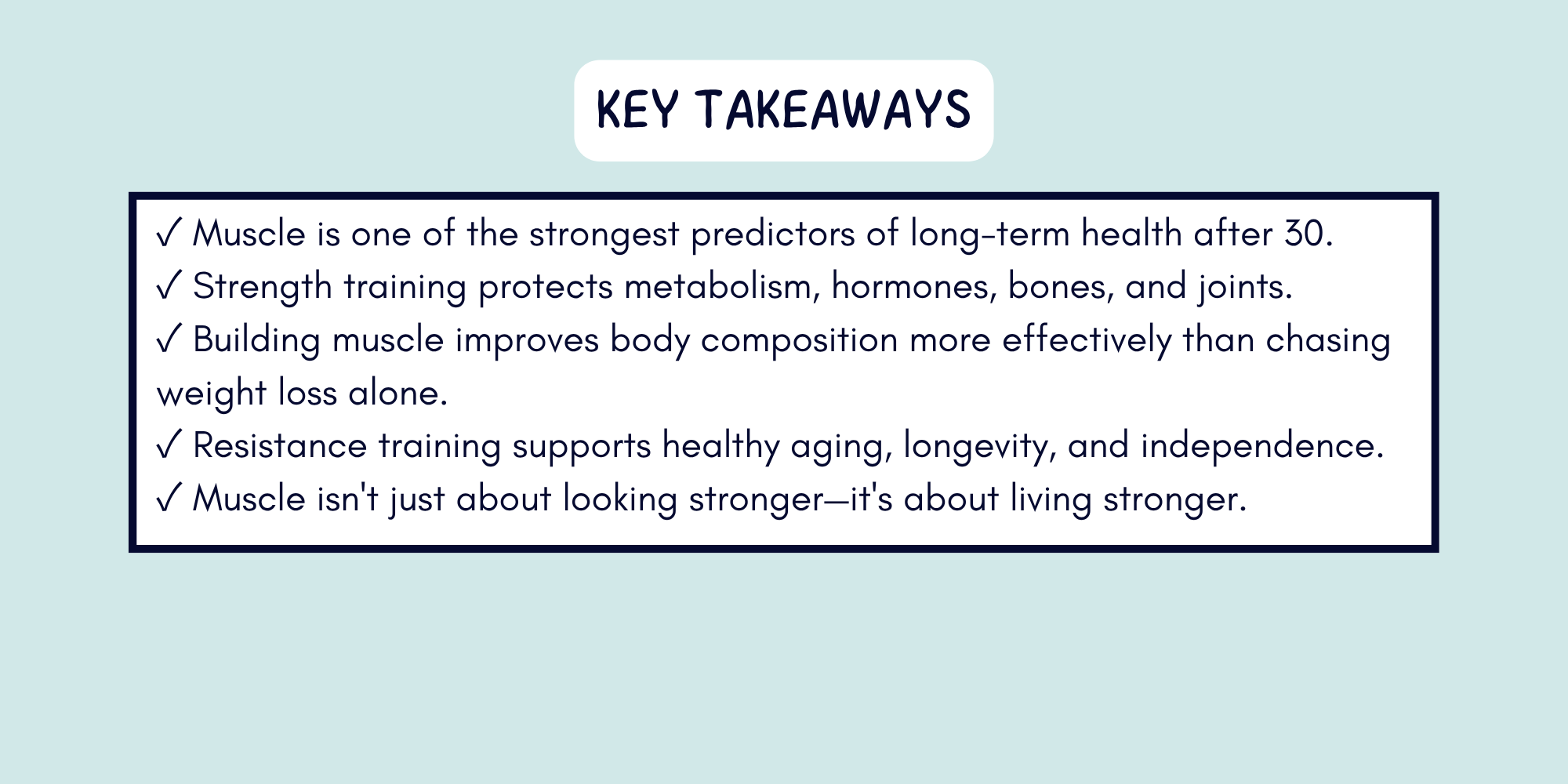
For women over 30, muscle should not be viewed as a secondary outcome or an aesthetic goal.
It is one of the strongest predictors of long-term metabolic health, hormonal health, bone strength, physical function, and healthy aging.
Throughout this series, you'll learn how nutrition, recovery, hormones, and exercise all work together to support these systems. But everything begins with understanding one simple principle:
Muscle is the foundation.
The stronger and healthier your muscles become, the stronger and healthier the rest of your body becomes.
References
Fragala, M. S., Cadore, E. L., Dorgo, S., Izquierdo, M., Kraemer, W. J., Peterson, M. D., & Ryan, E. D. (2019). Resistance training for older adults: Position statement from the National Strength and Conditioning Association. Journal of Strength and Conditioning Research, 33(8), 2019–2052.
Lopez, P., Taaffe, D. R., Newton, R. U., Galvão, D. A., Trajano, G. S., Teodoro, J. L., Kraemer, W. J., Häkkinen, K., Pinto, R. S., & Cadore, E. L. (2022). Resistance training effectiveness on body composition and body weight outcomes in individuals with overweight and obesity across the lifespan: A systematic review and meta-analysis. Obesity Reviews, 23(5), Article e13428.
Peterson, M. D., Rhea, M. R., Sen, A., & Gordon, P. M. (2010). Resistance exercise for muscular strength in older adults: A meta-analysis. Ageing Research Reviews, 9(3), 226–237.
Srikanthan, P., & Karlamangla, A. S. (2011). Relative muscle mass is inversely associated with insulin resistance and prediabetes: Findings from the Third National Health and Nutrition Examination Survey. The Journal of Clinical Endocrinology & Metabolism, 96(9), 2898–2903.
Volpi, E., Nazemi, R., & Fujita, S. (2004). Muscle tissue changes with aging. Current Opinion in Clinical Nutrition and Metabolic Care, 7(4), 405–410.
Watson, S. L., Weeks, B. K., Weis, L. J., Harding, A. T., Horan, S. A., & Beck, B. R. (2018). High-intensity resistance and impact training improves bone mineral density and physical function in postmenopausal women with osteopenia and osteoporosis: The LIFTMOR randomized controlled trial. Journal of Bone and Mineral Research, 33(2), 211–220.
Weinheimer, E. M., Sands, L. P., & Campbell, W. W. (2010). A systematic review of the separate and combined effects of energy restriction and exercise on fat-free mass in middle-aged and older adults: Implications for sarcopenic obesity. Nutrition Reviews, 68(7), 375–388.
Westcott, W. L. (2012). Resistance training is medicine: Effects of strength training on health. Current Sports Medicine Reports, 11(4), 209–216.