
What Sustainable health Looks like after weight loss
Weight loss is often treated as the endpoint of a health journey. In reality, it is a transition phase.
Whether weight loss is achieved through lifestyle changes, medication, or a combination of both, long-term health depends on what happens next. Without appropriate strategies, many of the physiological adaptations that occur during weight loss can make maintaining results increasingly difficult.
The Body Adapts to Weight Loss
From a physiological perspective, weight loss represents a period of adaptation rather than a new normal.
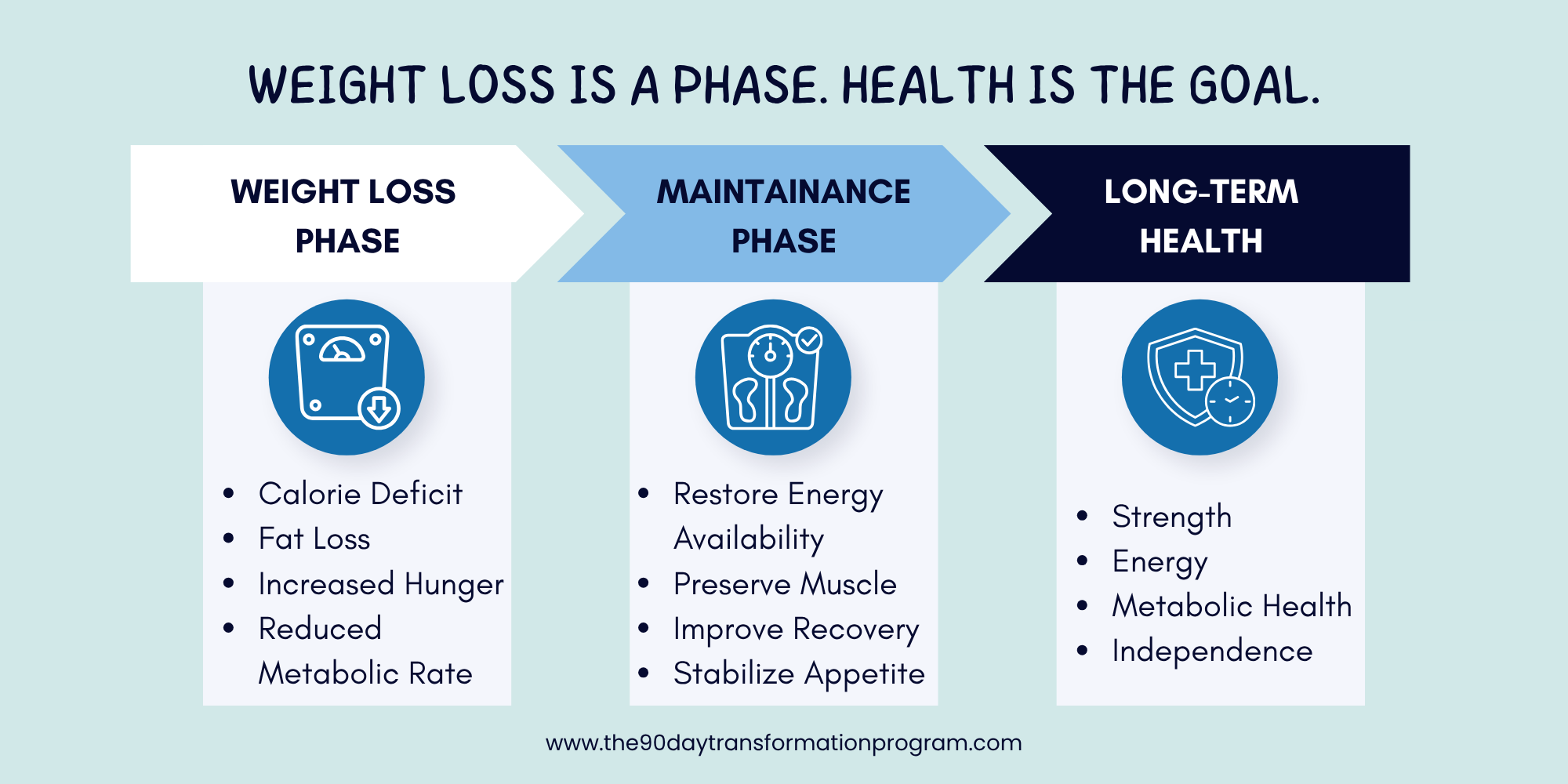
As body weight decreases, the body responds by conserving energy through:
Reductions in resting metabolic rate
Increased hunger signals
Greater energy efficiency
Changes in appetite-regulating hormones
These adaptations are protective and help explain why maintaining weight loss often feels more challenging than achieving it.
Rather than continuing to push for more restriction, the goal after weight loss is to create an environment that supports metabolic stability and long-term function.
Muscle Mass Determines Long-Term Outcomes
One of the most important determinants of long-term success is the amount of muscle retained during the weight loss process.
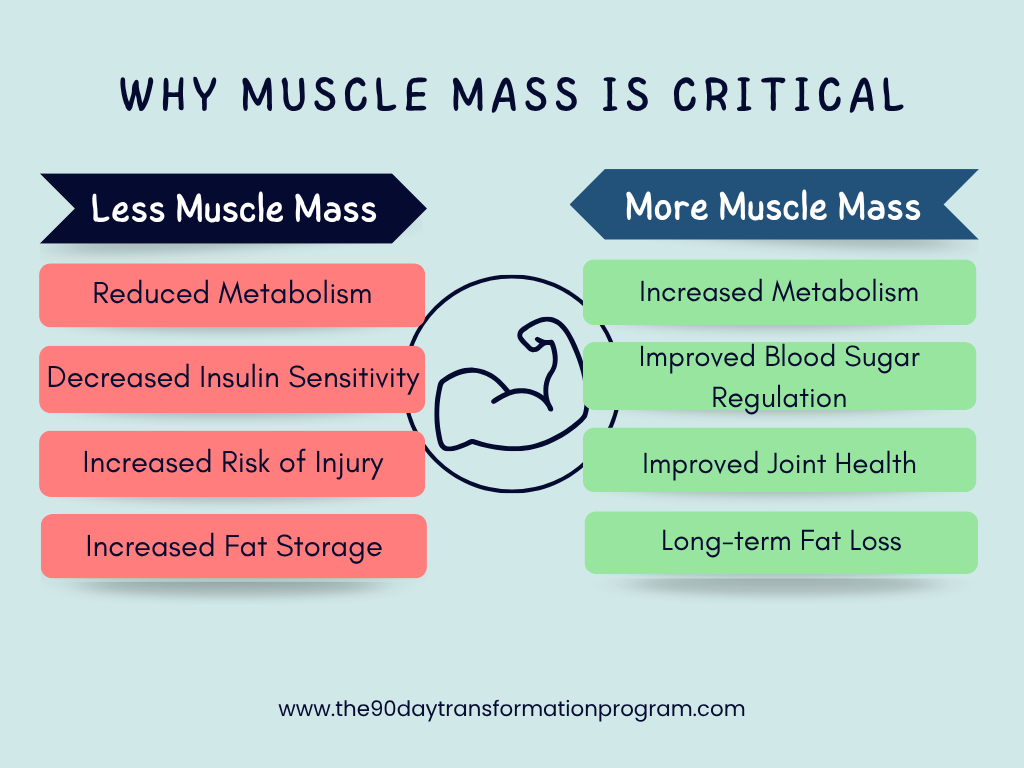
Muscle tissue plays a central role in:
Metabolic rate
Glucose regulation
Insulin sensitivity
Physical function and strength
When significant amounts of lean mass are lost alongside body fat, the body becomes less metabolically resilient and more susceptible to weight regain over time.
This is why resistance training remains essential even after weight loss goals have been achieved. Strength training provides the mechanical stimulus needed to preserve muscle tissue, support metabolic health, and maintain physical capability.
Restoring Energy Availability Matters
Many women continue eating as though they are actively dieting long after weight loss has occurred.
However, remaining in a prolonged energy deficit can perpetuate:
Fatigue
Poor recovery
Increased hunger
Hormonal disruption
Reduced metabolic output
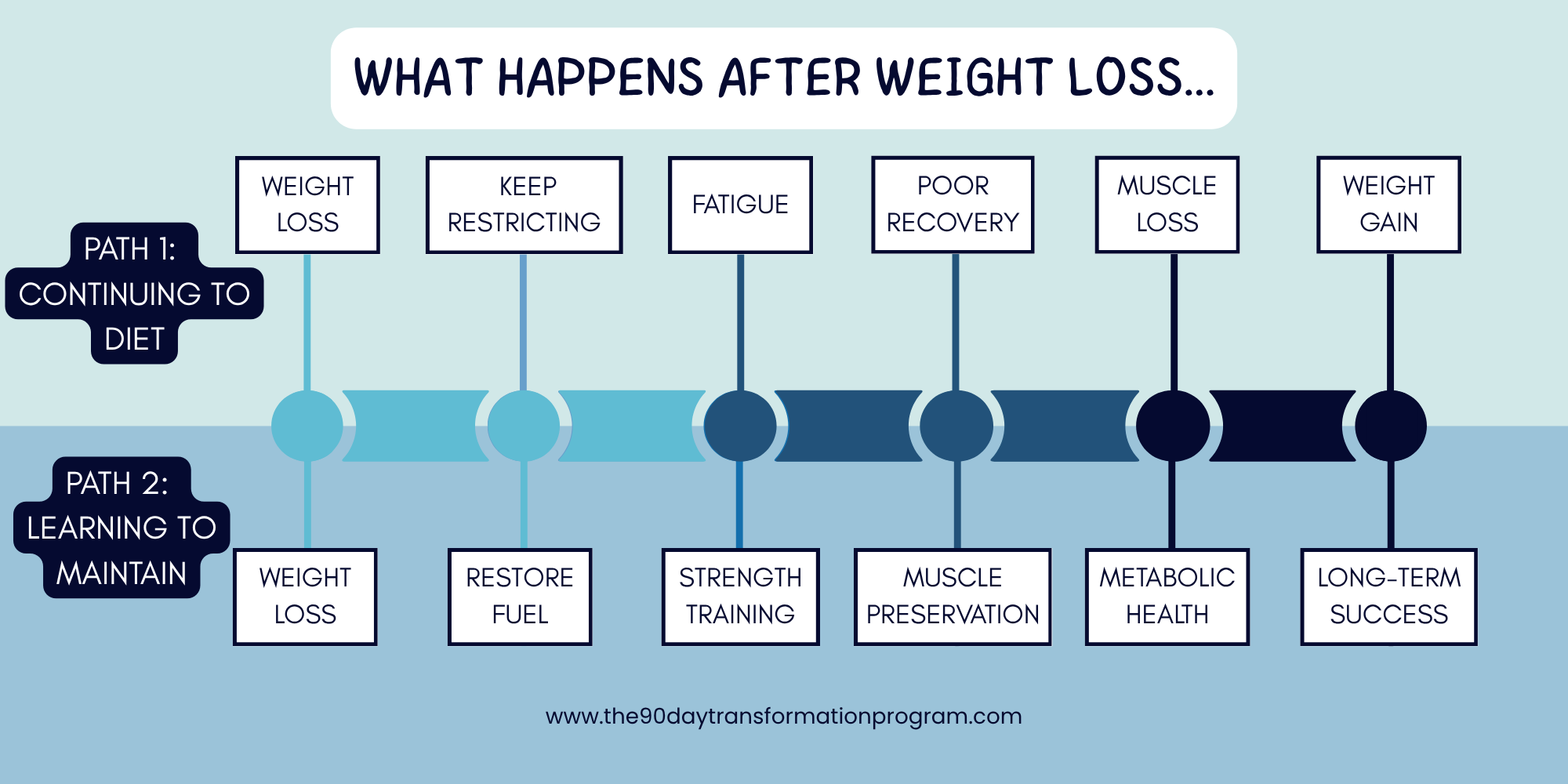
The goal of maintenance is not continued restriction. It is restoring adequate energy intake while maintaining healthy habits and body composition.
Protein remains important for muscle preservation and repair, carbohydrates support training quality and recovery, and dietary fats support hormone production, nutrient absorption, and satiety.
Increasing food intake appropriately after weight loss does not automatically lead to fat gain. In many cases, it allows metabolic systems to stabilize and function more efficiently.
Appetite Regulation Does Not Immediately Normalize
One of the most overlooked challenges after weight loss is appetite regulation.
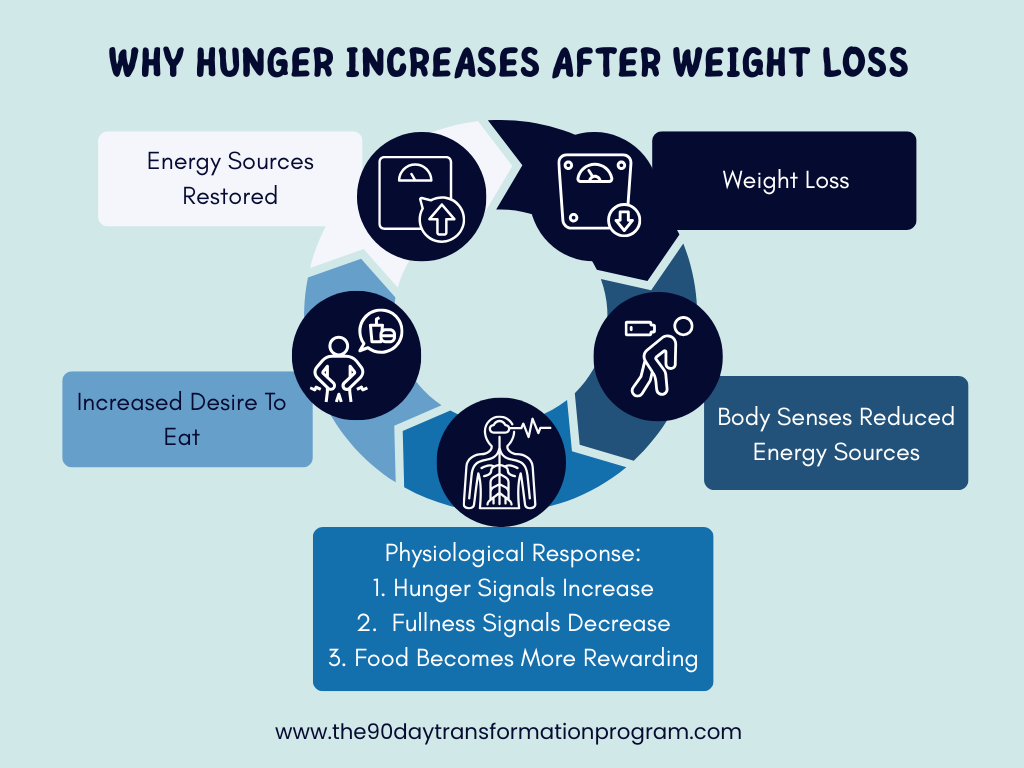
Research shows that following weight loss:
Hunger signals often increase
Satiety signals may decrease
Food can become more rewarding
These responses are physiological adaptations designed to encourage energy restoration.
They are not evidence of poor willpower or lack of discipline.
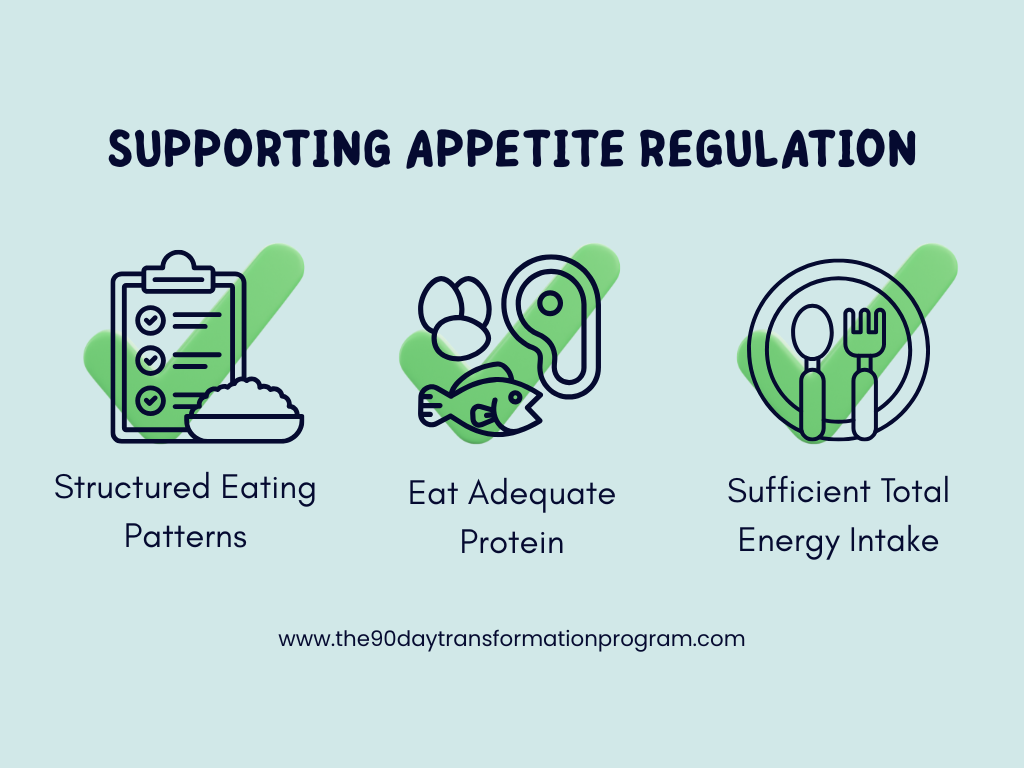
Structured eating patterns, adequate protein intake, and sufficient overall energy consumption can help support appetite regulation during this transition period.
Over time, as energy availability improves and the body becomes more confident that energy is consistently available, hunger signals often become more predictable and manageable.
Recovery Continues to Influence Health
The same recovery principles that support fat loss remain important during maintenance.
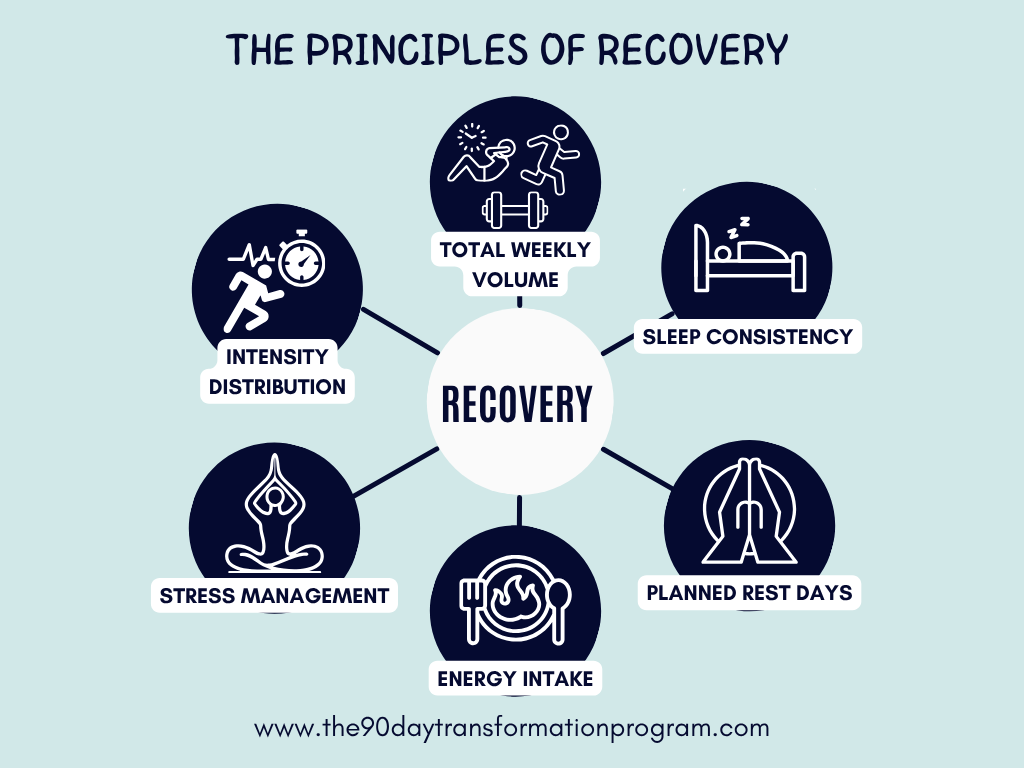
Sleep quality, stress management, and appropriate training loads all influence:
Metabolic health
Hormonal regulation
Appetite control
Training adaptation
Recovery capacity
When recovery is neglected, stress hormone activity increases, making it more difficult to maintain energy levels, muscle mass, and overall health.
Recovery should be viewed as a long-term investment in resilience rather than something reserved for periods of intense training.
Health Is More Than a Number on the Scale
One of the biggest mindset shifts after weight loss is moving from weight-focused goals to function-focused goals.
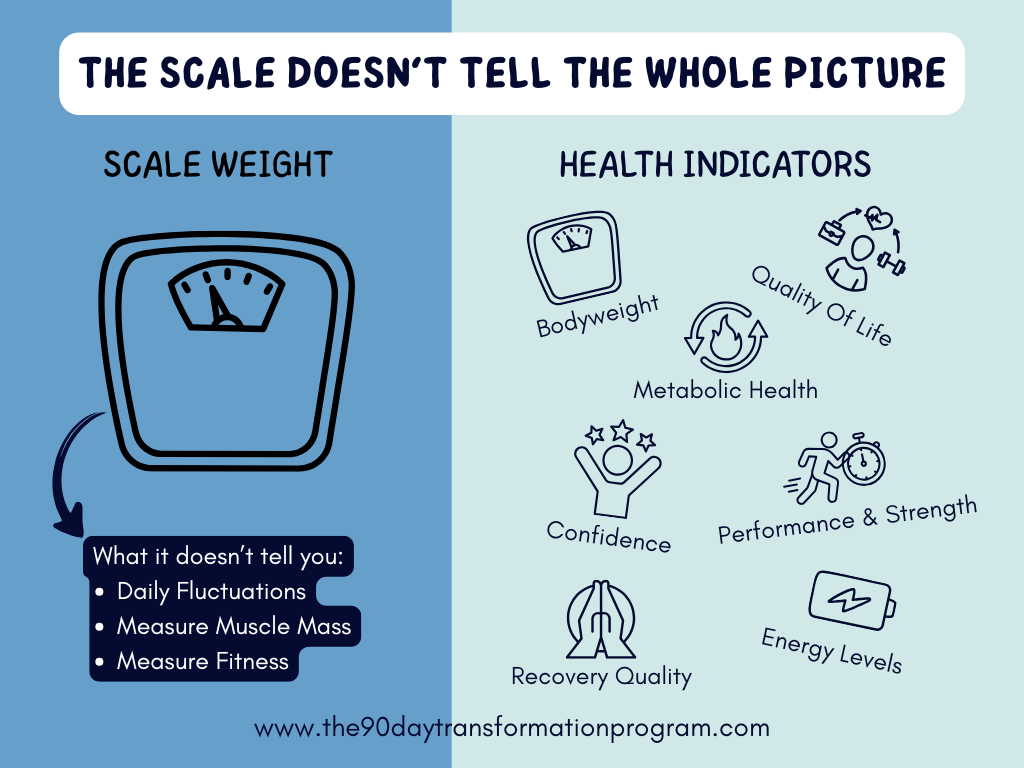
Long-term health is better reflected by:
Strength
Energy levels
Physical capability
Recovery capacity
Metabolic health
Quality of life
In some cases, small increases in body weight following weight loss may reflect:
Increased muscle mass
Restored glycogen stores
Improved hydration
Improved recovery
Rather than fat gain.
Focusing exclusively on scale weight can cause women to overlook these positive adaptations and become trapped in a cycle of unnecessary restriction.
In Summary
Weight loss is a phase. Sustainable health is what follows.
The most successful long-term approach is not continued restriction, but continued support.
When resistance training, adequate nutrition, recovery, and muscle preservation remain priorities, women are more likely to maintain their results, support metabolic health, and remain strong and capable throughout life.
Sustainable health is not built through ongoing restriction. It is built by supporting the physiological systems that allow the body to function efficiently, recover effectively, and remain resilient for years to come.