
Carbohydrates and the Female Body: Friend or Foe?

Carbohydrates are frequently reduced or eliminated in pursuit of fat loss.
For women, this approach often overlooks the role carbohydrates play in training performance, stress regulation, and metabolic function.
When intake is mismatched to demand, the result is often increased fatigue, reduced training output, and slower progress rather than improved fat loss.
What’s Happening Physiologically
From a biological standpoint, carbohydrates are your body’s preferred fuel source for:
Strength training
Higher-intensity exercise
Daily movement
Brain and nervous system function
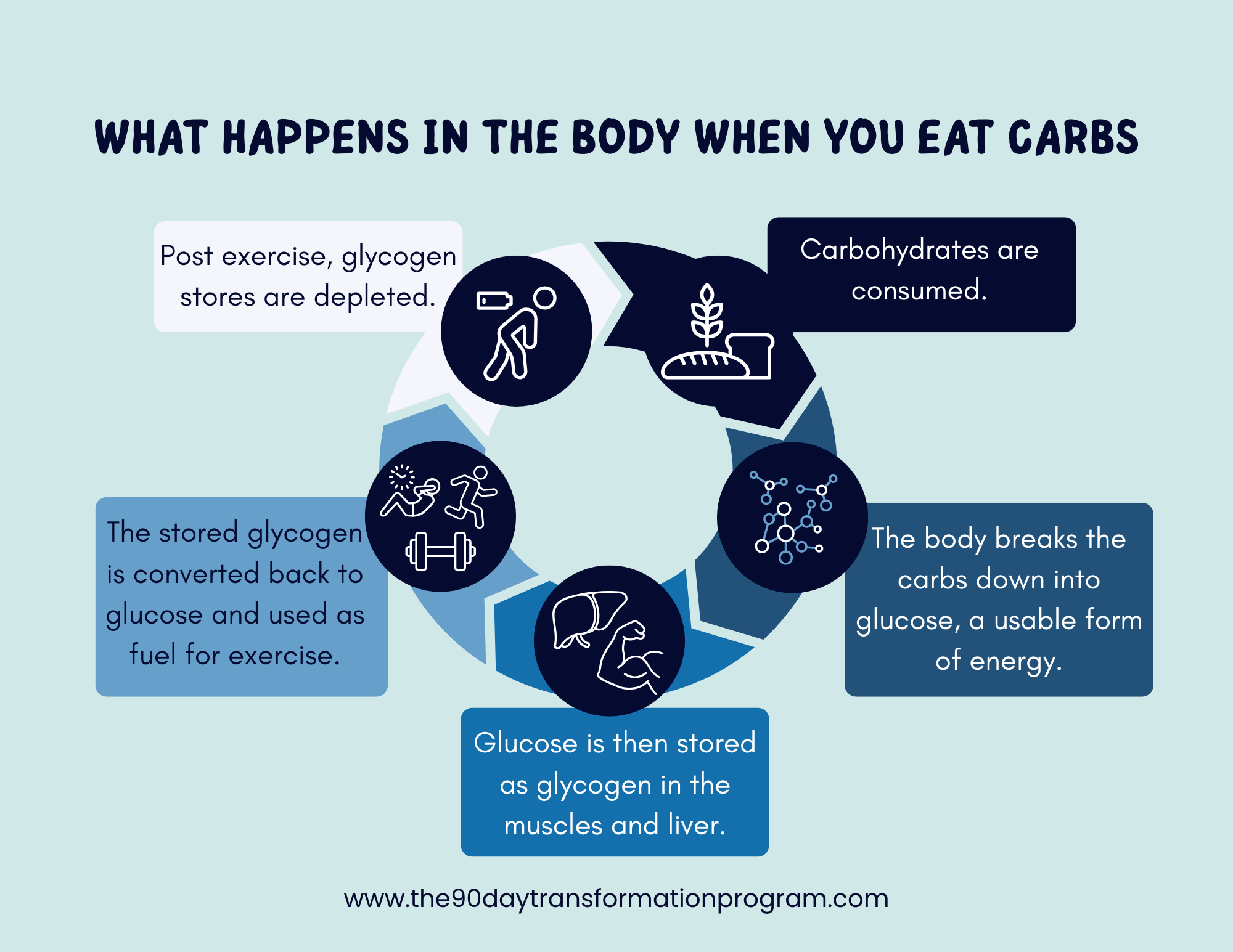
Glucose from carbohydrates is stored in muscles and the liver as glycogen, which fuels training and recovery.

If carbohydrate availability is low:
Glycogen stores are reduced.
The body relies more heavily on cortisol to maintain blood glucose.
Training output and intensity often decline.
In women, this response can be amplified due to our hormones creating a greater sensitivity to low energy availability and cumulative stress.
How Carbohydrates Affect Your Hormones, Metabolism and Fat Loss
Carbohydrate intake plays a regulatory role beyond energy provision. In women specifically , carbohydrate availability is closely linked to hormonal function and regulation.
Having adequate carbohydrate availability supports:
Glycogen replenishment between sessions.
Thyroid hormone conversion involved in metabolic rate regulation.
Reduced reliance on stress-mediated pathways.
Female-specific research shows that low energy availability (aka. a chronic calorie deficit), which is often driven by insufficient carbohydrate intake; increases stress hormone activity and suppresses normal hormonal function.
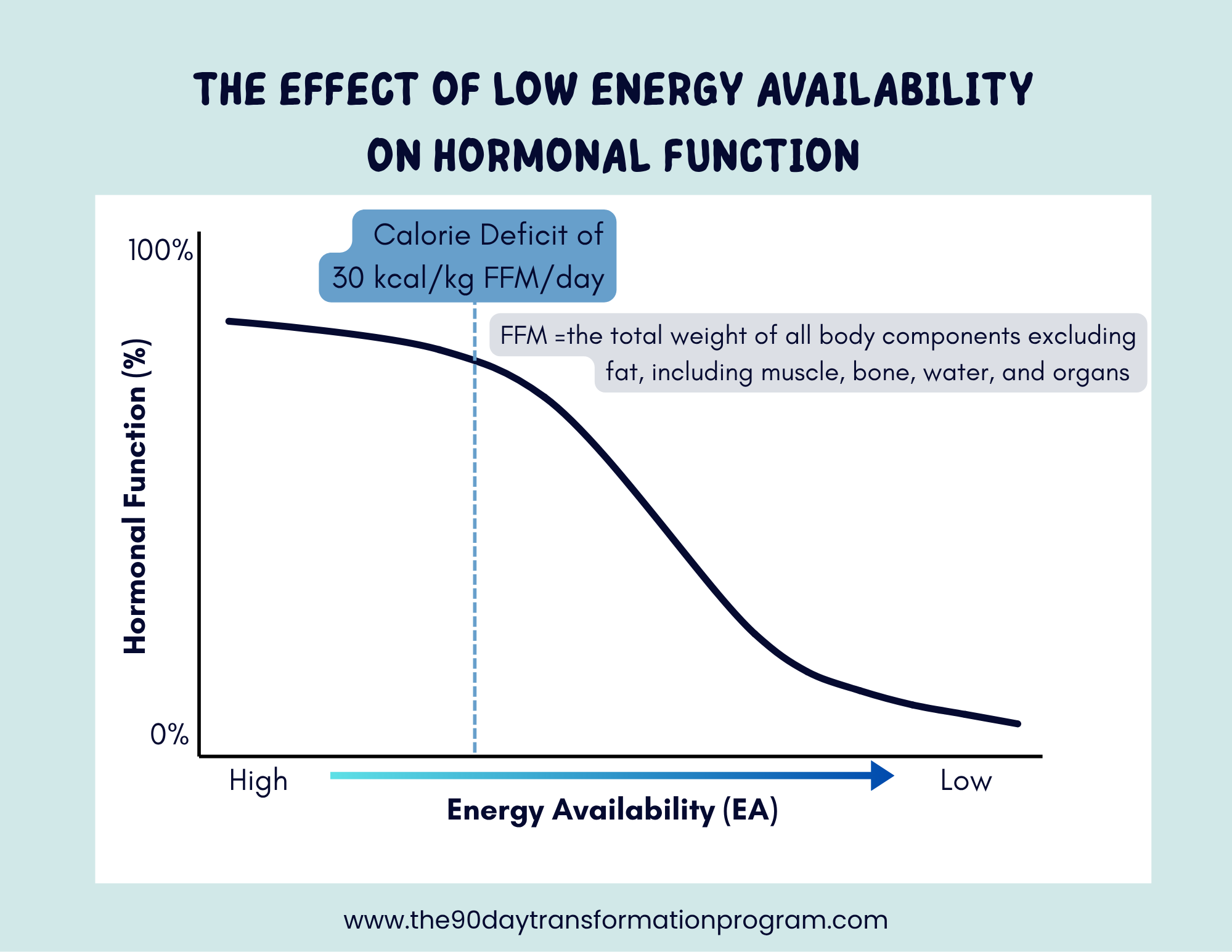
This may contribute to:
Increased fatigue.
Reduced training tolerance.
Impaired metabolic flexibility.
These effects are not immediate, but they accumulate over time when intake is consistently mismatched to demand.
Importantly, fat loss does not require carbohydrate elimination. Outcomes are primarily driven by energy balance, training quality, and consistency, not the removal of a single macronutrient.
Practical Implications for Training
In the context of resistance training, carbohydrates support muscle preservation indirectly by improving training quality and moderating stress responses.
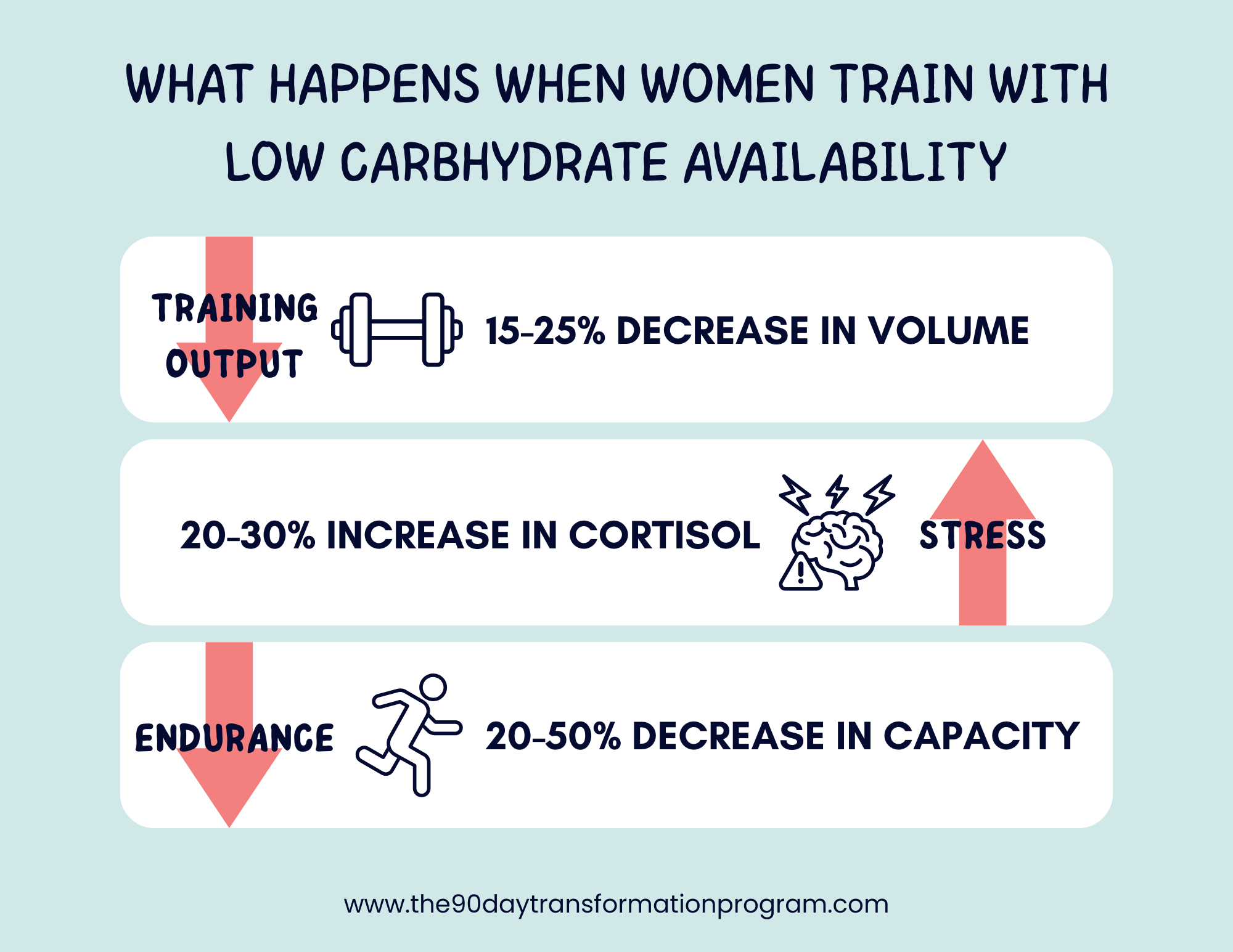
Training with low carbohydrate availability may result in:
Reduced strength and power output
Decreased ability to sustain intensity
Lower overall training stimulus
A higher training output increases mechanical stimulus, while reduced cortisol activity supports muscle protein synthesis. When carbohydrates are insufficient, the body may increase reliance on muscle tissue as an energy source, undermining lean mass preservation.
Because adaptation is driven by training quality, consistently training in a depleted state can limit progress even when effort remains high.
This means fueling around workouts is crucial to maximize results.
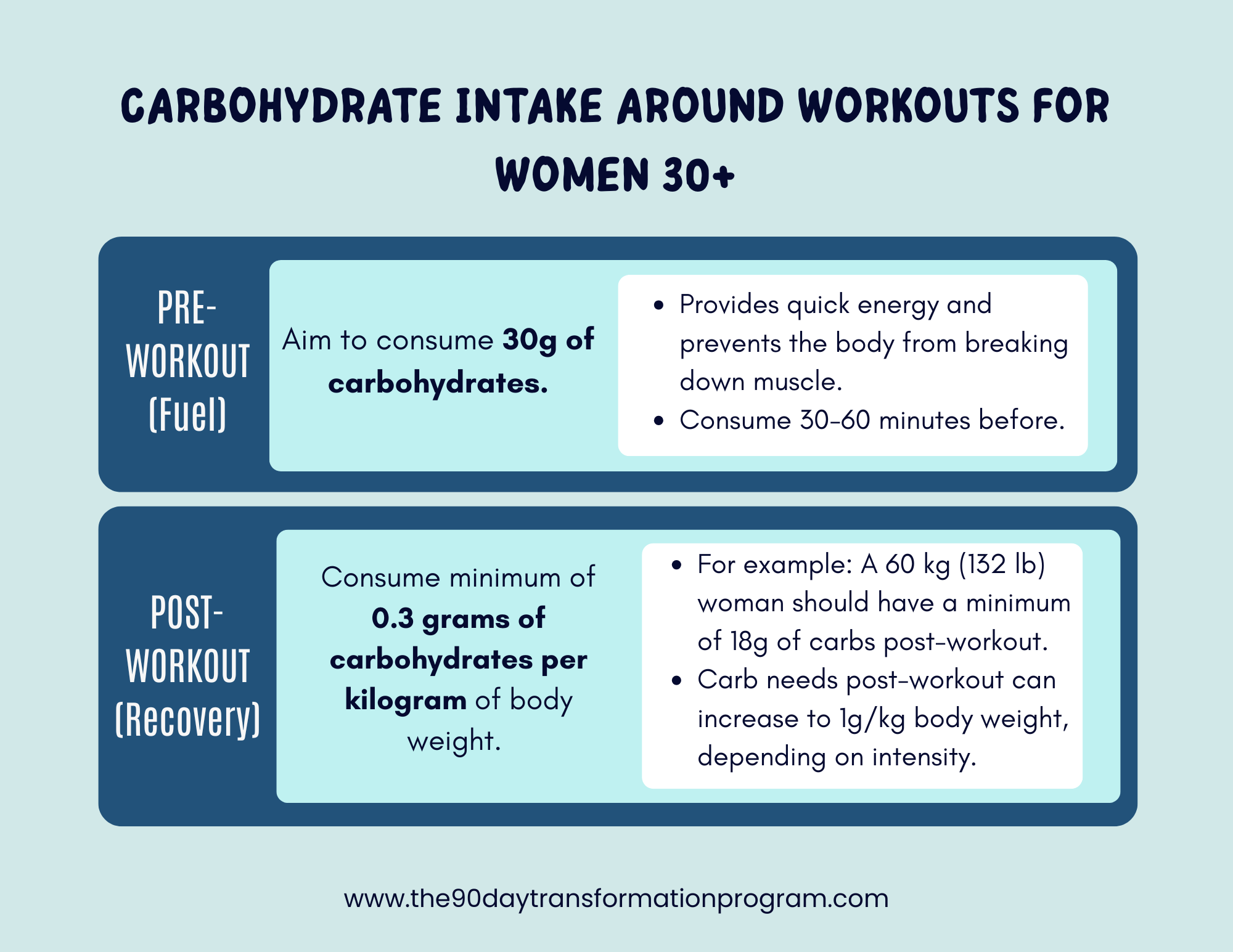
Practical Implications for Nutrition
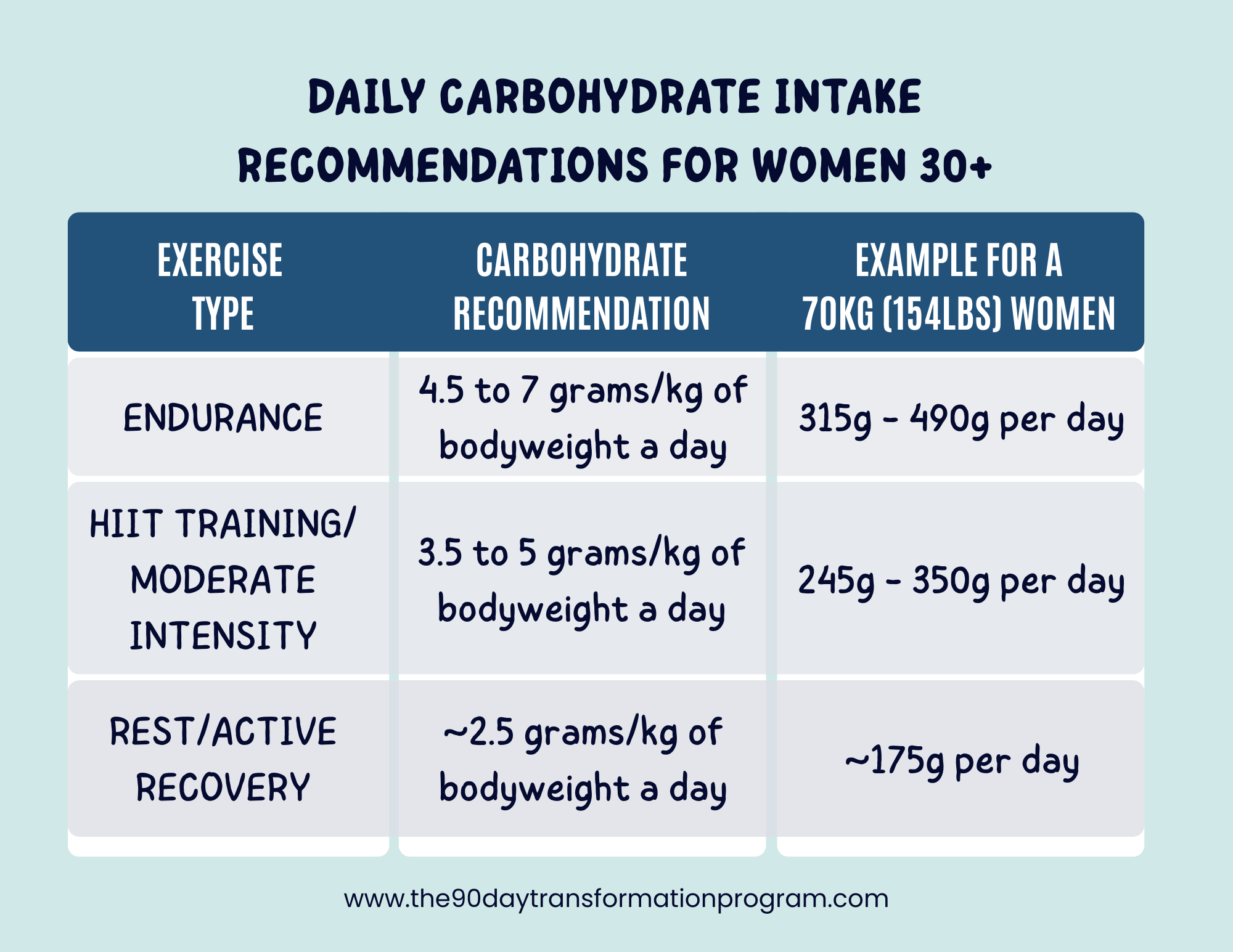
Carbohydrate needs are not fixed — they should be adjusted in accordance to:
Training intensity
Training volume
Recovery demands
Higher-demand training days require greater carbohydrate availability, while lower-intensity days may require less. This flexible approach allows intake to align with physiological need rather than rigid restriction.
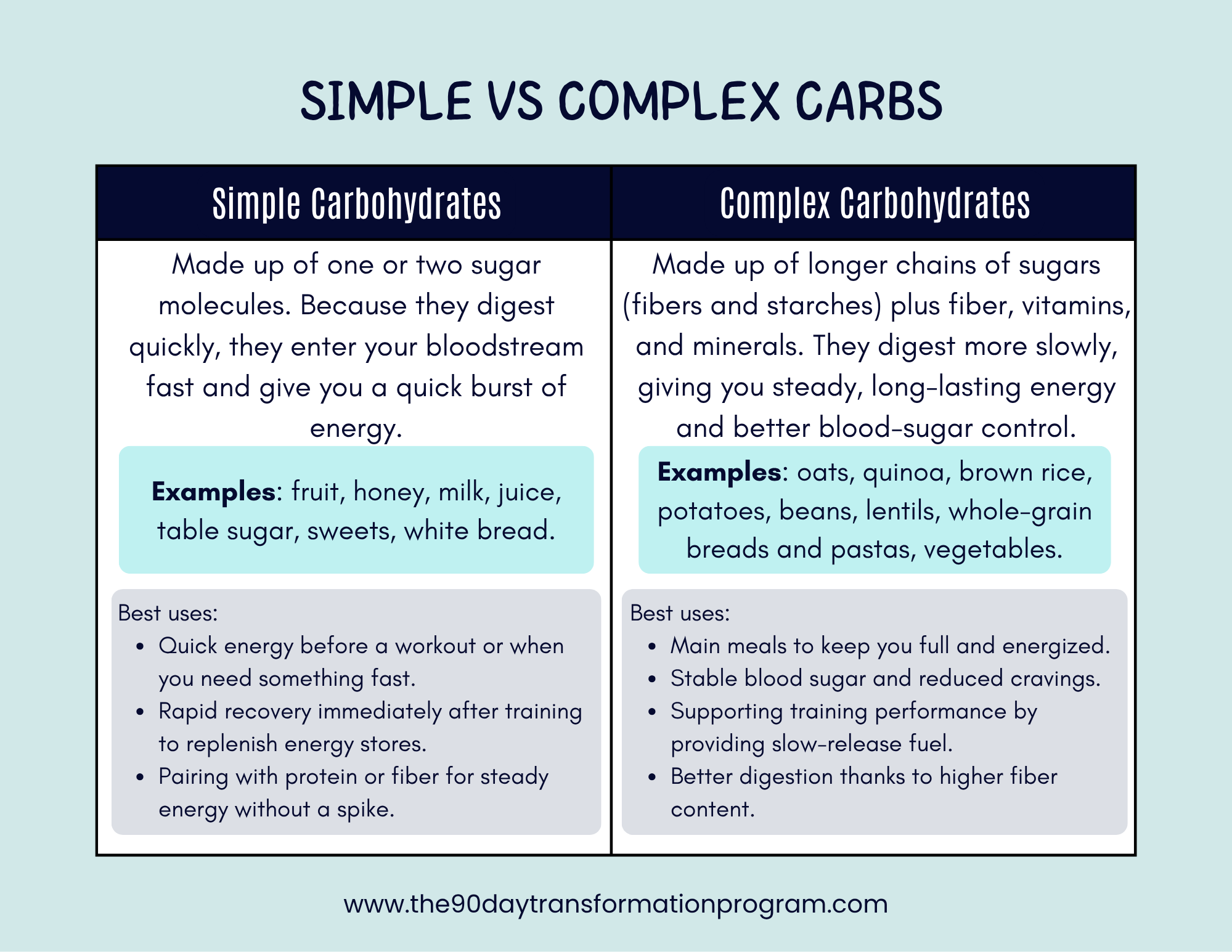
And remember. Not all carbs are created equal!
Carbohydrate quality also matters. Whole-food sources (aka. complex carbohydrates) provide fiber, micronutrients, and more stable energy release, supporting both metabolic and digestive health.
Alternatively, highly-refined carbohydrates (aka. simple carbohydrates) may contribute to rapid fluctuations in blood glucose when consumed in isolation, but this effect is strongly influenced by total intake, timing, and meal composition.
For women, particularly those over 30, chronic carbohydrate restriction can exacerbate stress responses and impair training outcomes. This does not imply that high-carbohydrate diets are necessary at all times, but rather that carbohydrates serve a functional role that should not be ignored.
In Summary
Carbohydrates are not inherently beneficial or harmful — they are functional.
For women, particularly those training regularly, carbohydrates support:
Training performance
Recovery capacity
Hormonal and metabolic regulation
When carbohydrate intake is aligned with training demand, it supports adaptation rather than hindering fat loss.
References
Devries, M. C., et al. (2006). Menstrual cycle phase and sex influence muscle glycogen utilization and glucose turnover during exercise. American Journal of Physiology, 291(6), E1182–E1191.
Febbraio, M. A., Chiu, A., Angus, D. J., Arkinstall, M. J., & Hawley, J. A. (2000). Effects of carbohydrate ingestion before and during exercise on glucose kinetics and performance. Journal of Applied Physiology, 89(6), 2220–2226.
Hawley, J. A., & Leckey, J. J. (2015). Carbohydrate dependence during prolonged, intense endurance exercise. Sports Medicine, 45(S1), 5–12.
Impey, S. G., et al. (2018). Fuel for the work required: A theoretical framework for carbohydrate periodization and the glycogen threshold hypothesis. Sports Medicine, 48(5), 1031–1048.
Leveritt, M., & Abernethy, P. J. (1999). Effects of carbohydrate restriction on strength performance. Journal of Applied Physiology, 87(6), 2220–2224.
Loucks, A. B., Kiens, B., & Wright, H. H. (2011). Energy availability in athletes. Journal of Sports Sciences, 29(S1), S7–S15.
Tarnopolsky, M. A. (2008). Sex differences in exercise metabolism and the role of 17-beta estradiol. Medicine & Science in Sports & Exercise, 40(4), 648–654.