
Eating on GLP-1 Medications to Protect Metabolism and Muscle
GLP-1 medications reduce appetite by increasing feelings of fullness and slowing digestion. For many women, this makes eating less feel almost effortless and can be an effective tool for weight loss.
However, while appetite changes, the body's nutritional requirements do not.
Muscle tissue, bone, recovery, and metabolic function still require adequate energy, protein, and nutrients to function properly. The challenge for many women using GLP-1 medications is not simply eating less—it is ensuring they continue to eat enough of the things that matter most.
Appetite Suppression Changes Food Intake, Not Nutritional Needs
One of the biggest misconceptions surrounding GLP-1 medications is that if hunger decreases, nutritional requirements decrease as well.
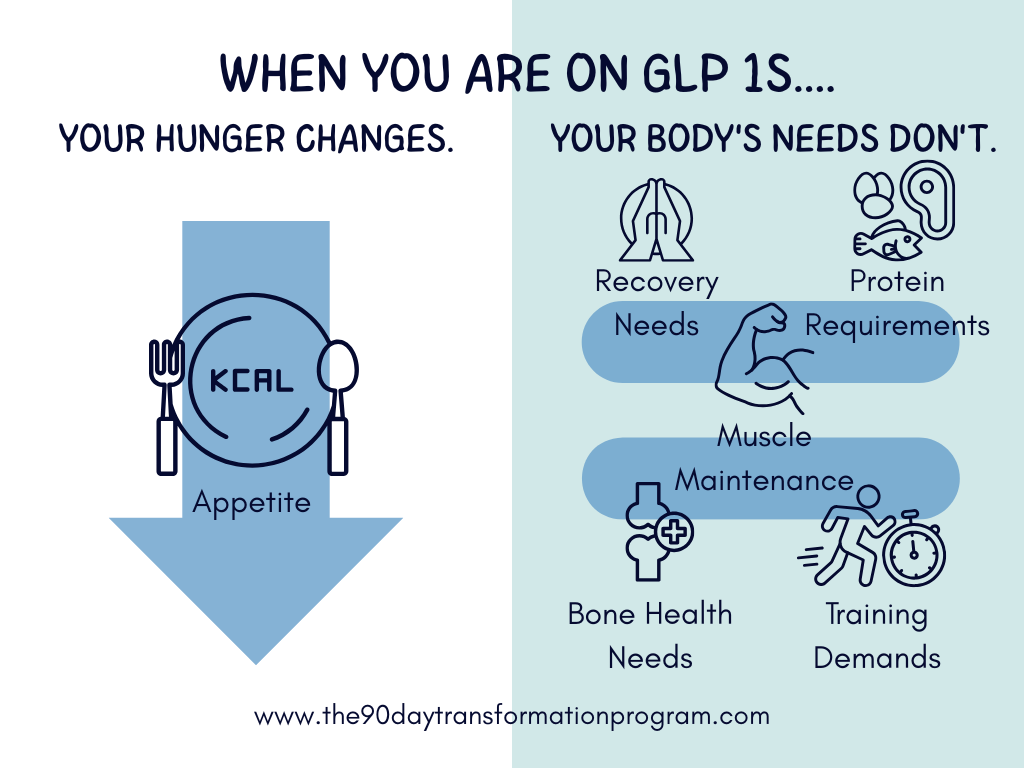
In reality, the body still requires the same fundamental building blocks to maintain muscle mass, support training adaptations, regulate hormones, and preserve metabolic health.
When food intake drops too low for an extended period, the body begins adapting to conserve energy. While this may contribute to short-term weight loss, it can also increase the risk of muscle loss, impaired recovery, and reductions in metabolic rate.
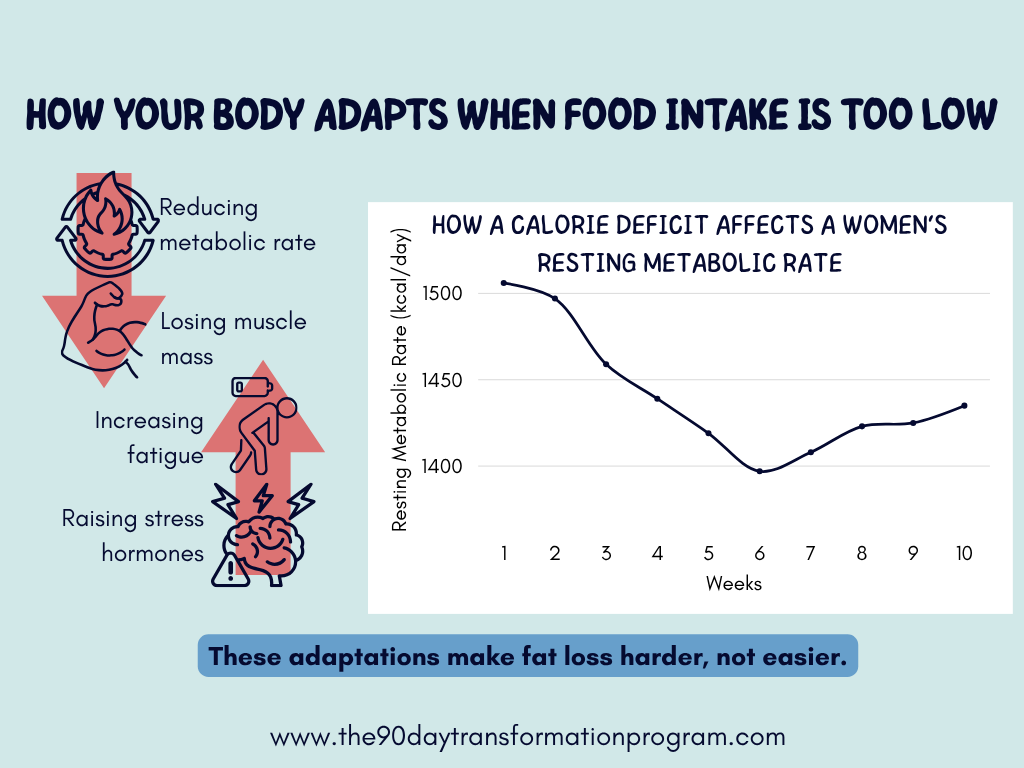
This is why nutrition becomes more important—not less—during medication-assisted weight loss.
Protein Becomes the Top Priority
If there is one nutrient that deserves the most attention while using a GLP-1 medication, it is protein.
Reduced appetite often means smaller portions, skipped meals, or feeling full before finishing a protein-rich meal. Over time, this can lead to protein intake falling below what is needed to maintain lean mass.
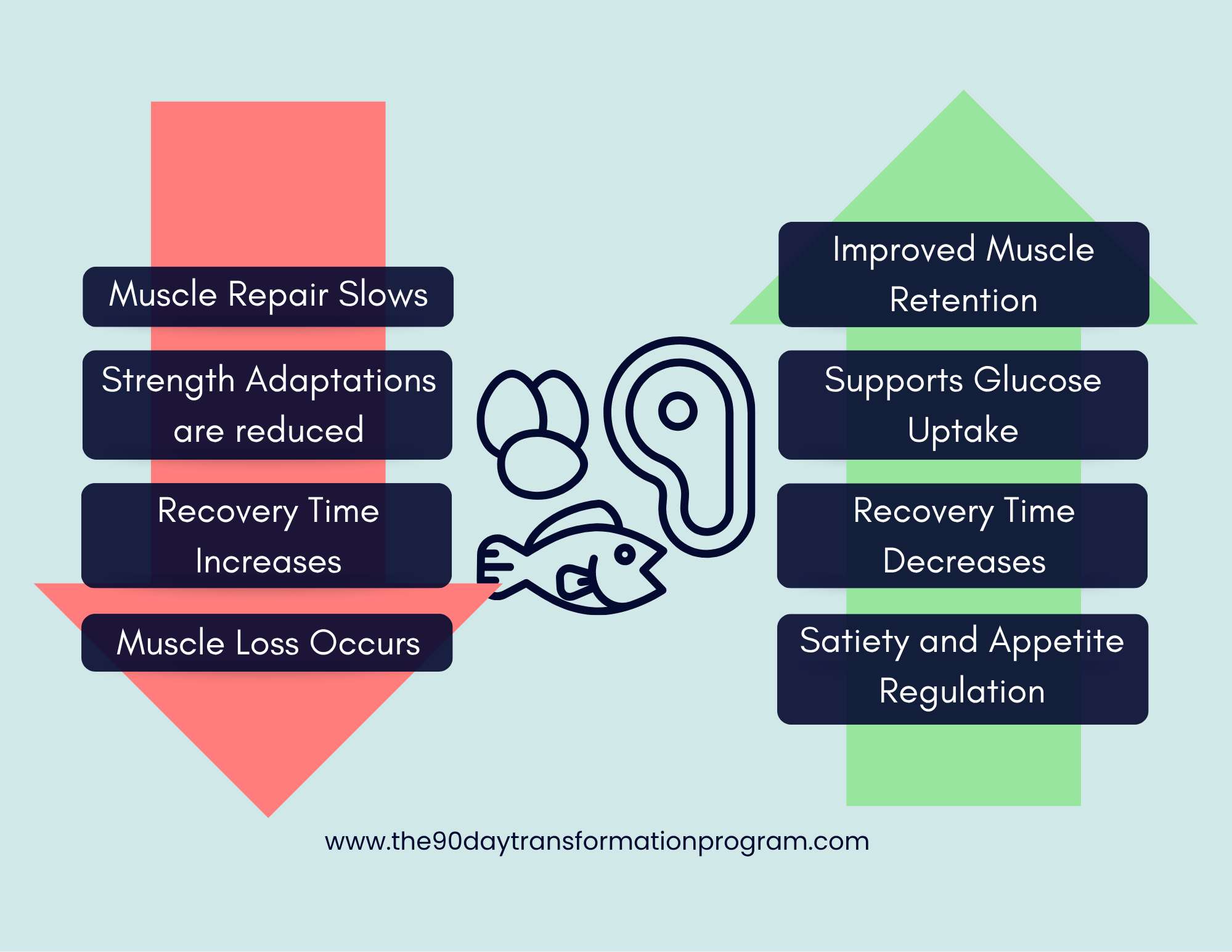
Protein plays a critical role in:
Preserving muscle during weight loss
Supporting recovery from resistance training
Maintaining strength and physical function
Supporting satiety between meals
Without adequate protein, a greater proportion of weight loss may come from muscle rather than fat.
For women who are strength training while using GLP-1 medications, prioritizing protein at each meal is one of the most effective strategies for protecting long-term metabolic health.
Meal Timing Matters More Than Many Women Realize
When overall food intake decreases, how food is distributed throughout the day becomes increasingly important.
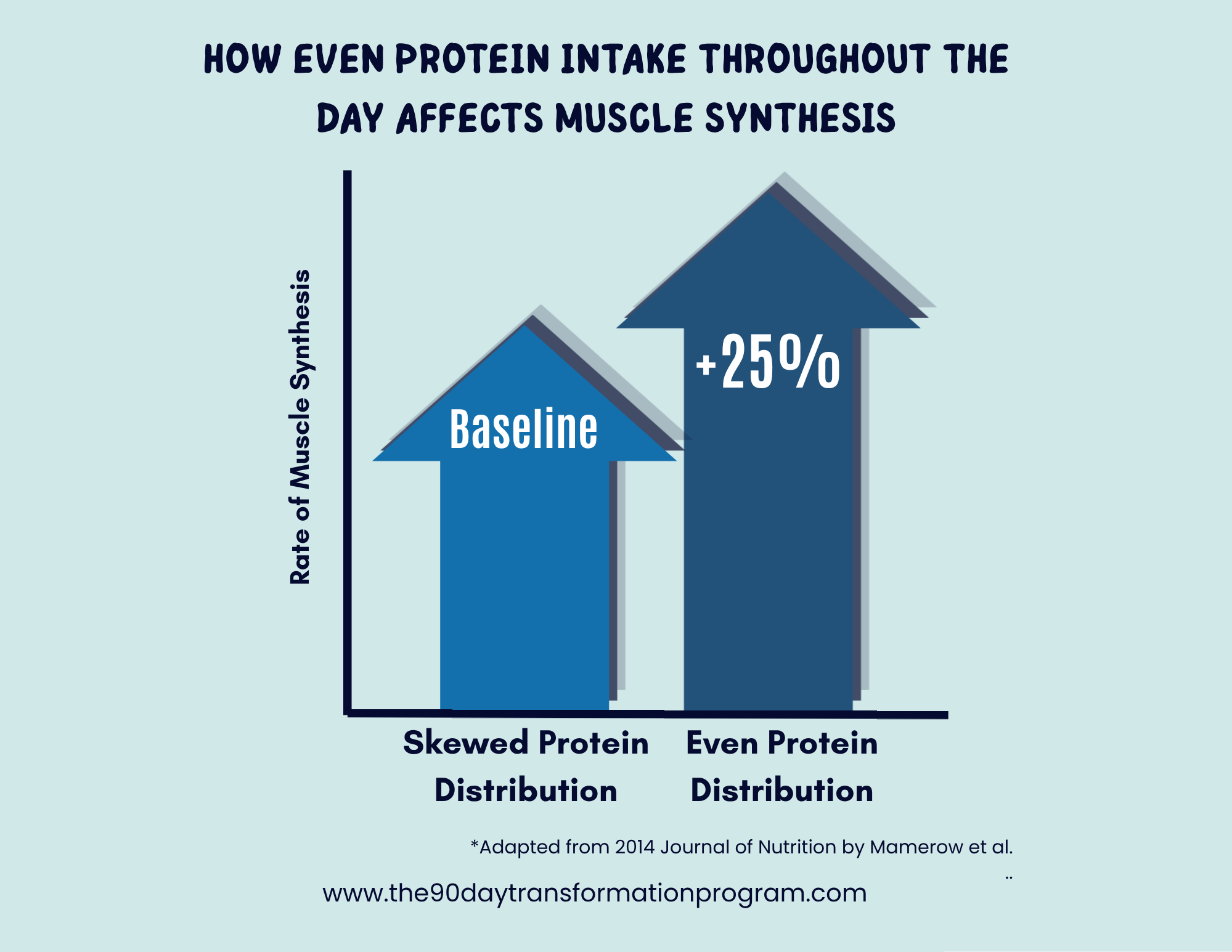
Many women find themselves unintentionally going long periods without eating because hunger signals are significantly reduced. While this may seem harmless, prolonged gaps between meals can make it more difficult to meet protein requirements and may reduce opportunities for muscle protein synthesis throughout the day.
Rather than relying solely on hunger cues, structured meals can help ensure the body receives the nutrients it needs consistently.
The goal is not constant eating, but regular opportunities to support recovery, muscle maintenance, and energy levels.
Carbohydrates Still Have a Purpose
Because weight loss is often the primary goal, carbohydrates are frequently reduced even further while taking GLP-1 medications.
However, carbohydrates continue to play an important role in training performance and recovery. They help replenish glycogen stores, support exercise output, and reduce reliance on stress hormones to maintain blood glucose levels.
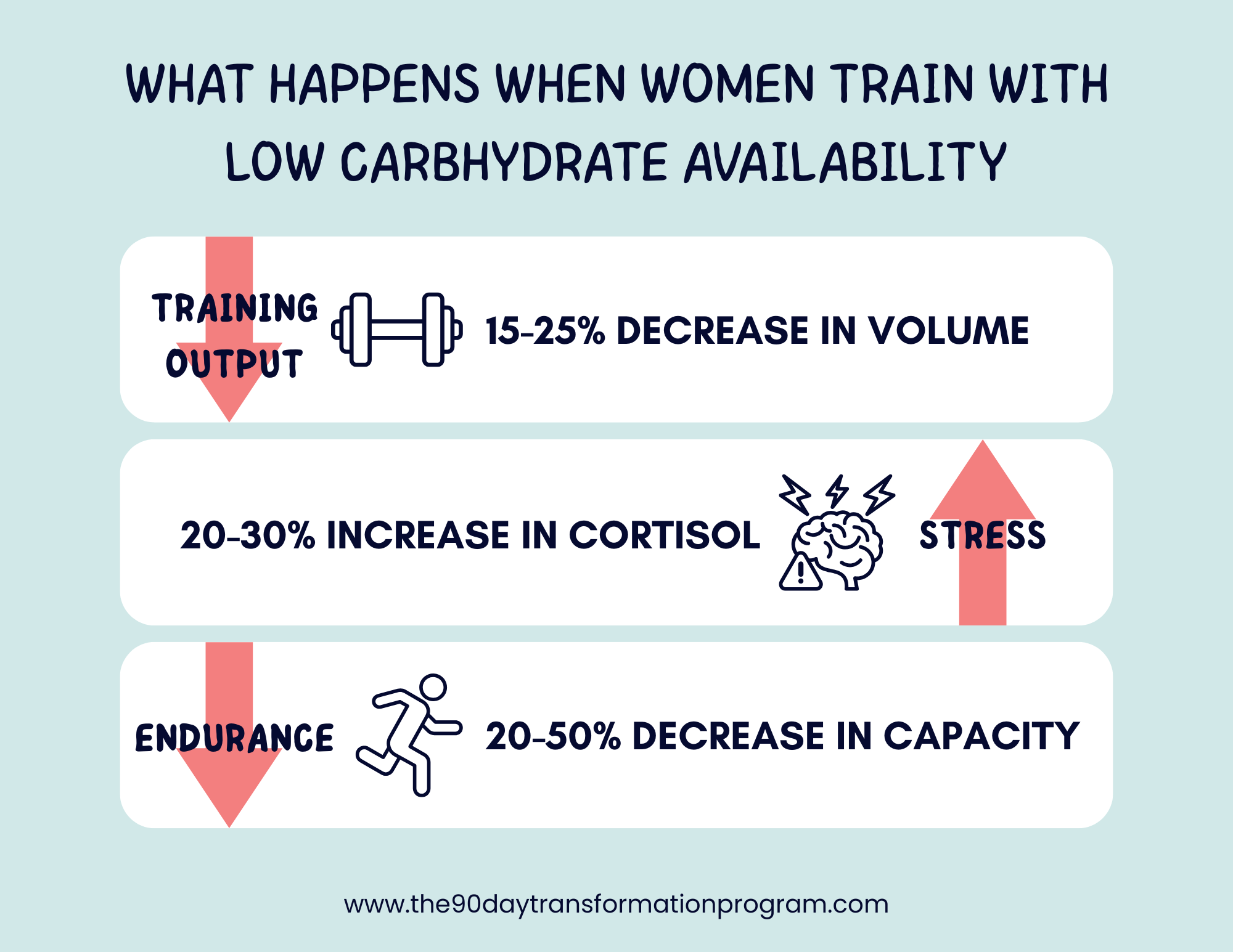
This is particularly important for women who are resistance training while using GLP-1 medications. Training performance often declines when carbohydrate intake becomes too low, even if total weight loss continues.
Rather than eliminating carbohydrates, it is often more effective to align them with training demands and activity levels.
Nutrient Density Becomes More Important
When food volume decreases, every meal needs to work harder.
A woman consuming 2,000 calories has more opportunities to obtain vitamins, minerals, protein, and fiber than a woman consuming 1,200–1,400 calories.

This is why nutrient quality becomes increasingly important during GLP-1 use.
In addition to protein, nutrients involved in bone health, energy production, and recovery deserve attention. Building meals around nutrient-dense foods helps reduce the risk of deficiencies while supporting overall health during weight loss.
Don't Forget Hydration
Hydration is often overlooked when discussing GLP-1 medications.
Reduced food intake and slower gastric emptying can sometimes make women less aware of thirst, increasing the risk of dehydration. Researchers found that in healthy young women, a body water loss of just 1.36% of body mass significantly increased fatigue, reduced exercise performance, headaches, and impaired recovery.

Maintaining adequate fluid intake and paying attention to electrolyte balance can help support both daily energy levels and training performance.
Weight Loss Shouldn't Come at the Expense of Health
One of the biggest mistakes women make while using GLP-1 medications is viewing success as eating as little as possible.
Rapid weight loss achieved through severe restriction may accelerate muscle loss and increase the likelihood of metabolic adaptation. While the scale may move quickly, the quality of that weight loss often suffers.
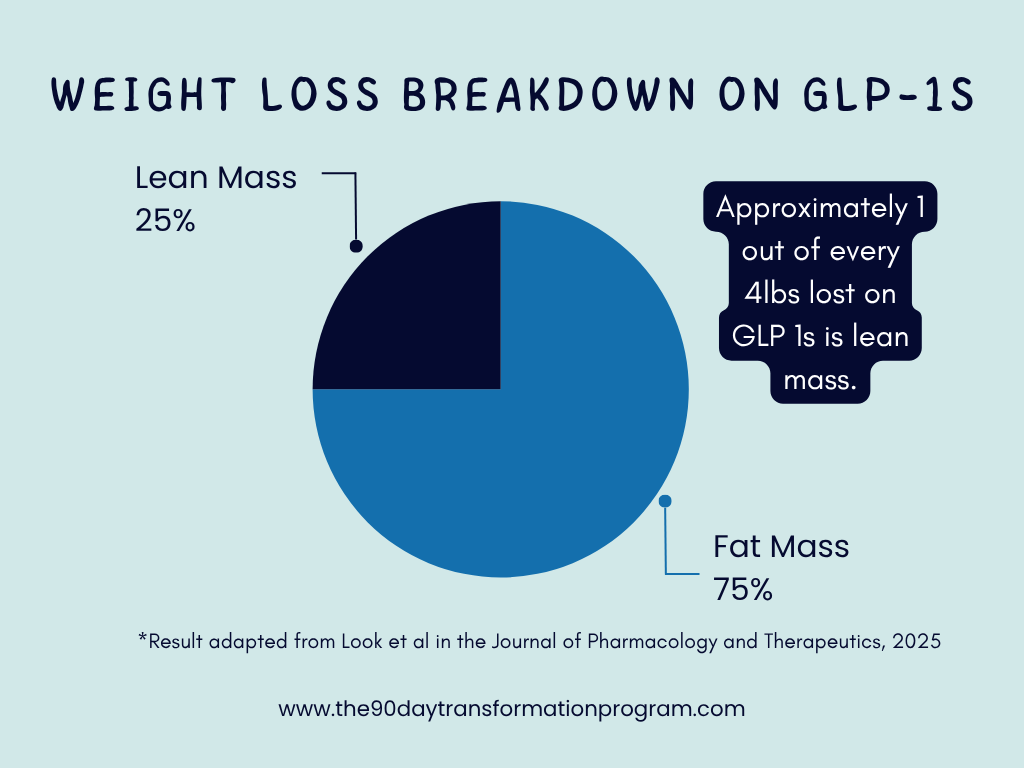
The goal should be to preserve as much muscle, strength, and metabolic function as possible while losing body fat.
Signs that intake may be too low include:
Persistent fatigue
Declining training performance
Increased soreness
Difficulty maintaining strength
These signals shouldn't be ignored. They are often indicators that the body needs more support, not more restriction.
In Summary
GLP-1 medications can be an effective weight-loss tool, but they do not replace the fundamentals of good nutrition.
The women who tend to achieve the best long-term outcomes are not necessarily those who eat the least. They are the women who continue to support their body's physiological needs while losing weight.
When protein intake is prioritized, meals are structured intentionally, and nutrition supports training and recovery, weight loss becomes more sustainable and less metabolically costly.
The goal is not simply to become lighter.
The goal is to lose fat while preserving the muscle, strength, and metabolic health that support long-term success.