
Training While on GLP-1 Medications Without Losing Muscle
GLP-1 medications create a unique training environment. By reducing appetite and overall energy intake, they can make weight loss significantly easier. However, they also change how the body responds to exercise and recovery.
For women using GLP-1 medications, the goal is not simply to lose weight. It is to lose fat while preserving the muscle that supports strength, metabolism, bone health, and long-term weight maintenance.
This distinction matters because weight loss alone does not determine health outcomes. What is preserved during the process is often just as important as what is lost.
Muscle Requires a Reason to Stay
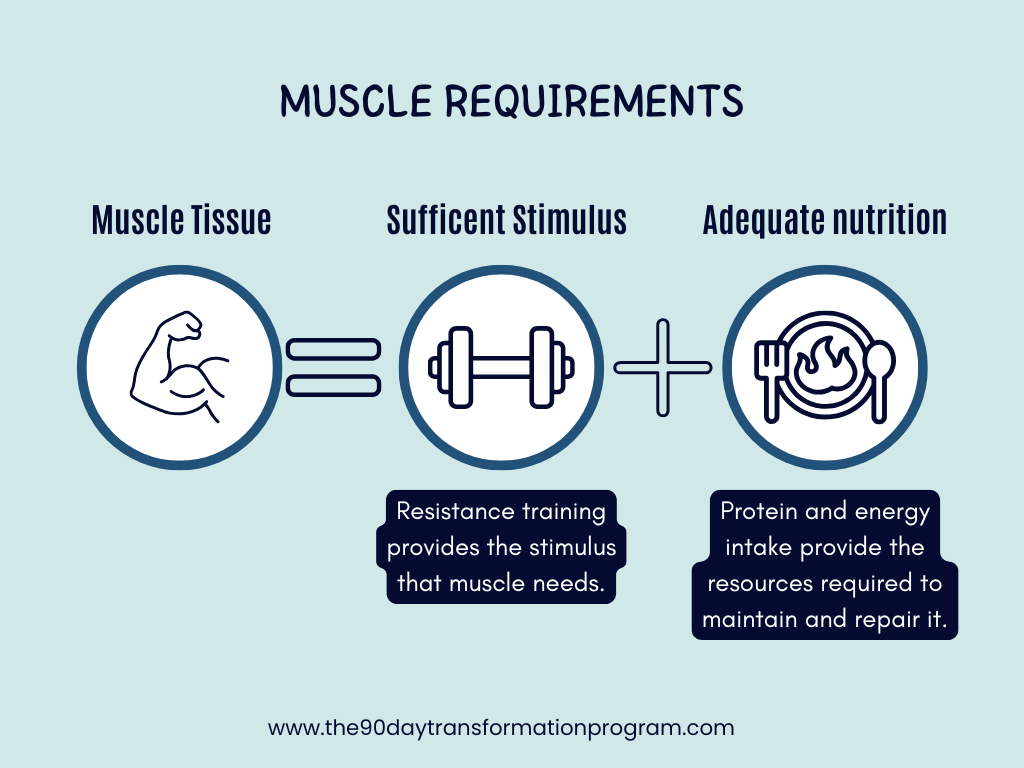
Muscle tissue is maintained when two conditions are present: a sufficient training stimulus and adequate nutritional support.
Resistance training provides the stimulus that muscle needs. Protein and energy intake provide the resources required to maintain and repair it.
When calorie intake decreases substantially, the body becomes more likely to break down muscle tissue alongside fat tissue unless deliberate steps are taken to preserve it.
This is one of the most important considerations for women using GLP-1 medications. Appetite may be lower, but the body's need for muscle has not changed.
Why Resistance Training Becomes Non-Negotiable
During periods of weight loss, resistance training acts as a protective signal to the body.
Without strength training, a greater proportion of weight loss may come from lean tissue rather than body fat. This can lead to reductions in strength, metabolic rate, and physical function over time.

Resistance training helps maintain the muscle that supports:
Metabolic health
Insulin sensitivity
Bone density
Long-term weight maintenance
Rather than focusing solely on the number on the scale, resistance training helps improve the quality of the weight being lost.
Training Smarter, Not Harder
Many women assume they should continue training exactly as they did before starting a GLP-1 medication. In reality, reduced energy intake often means recovery capacity is lower.
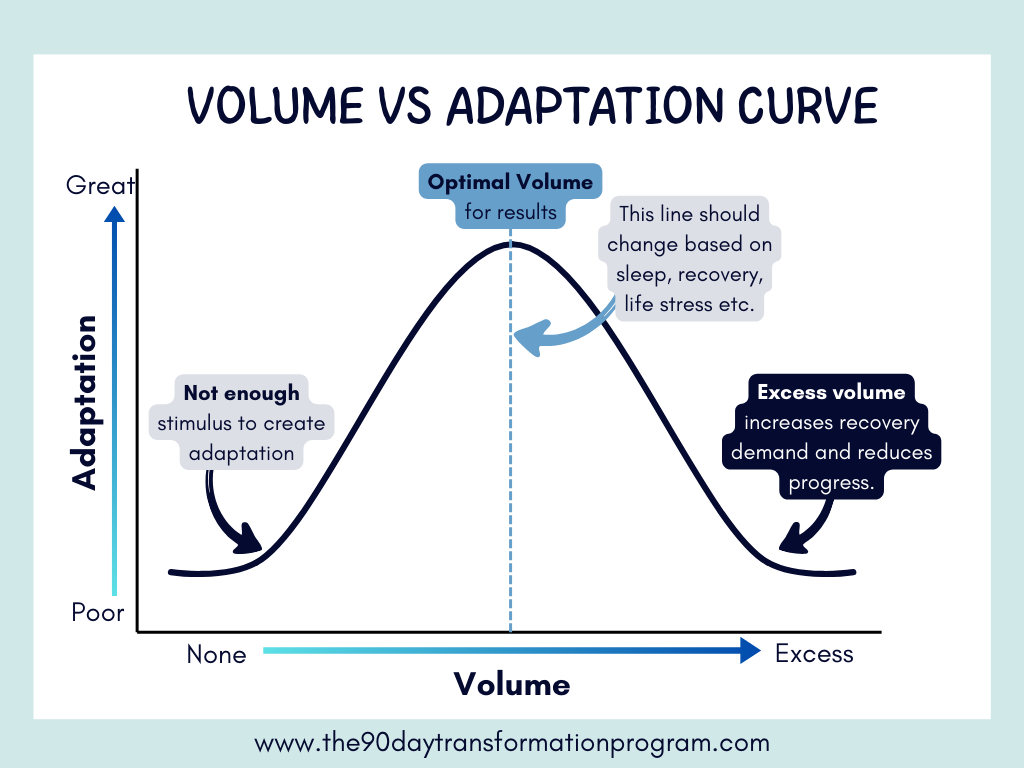
This doesn't mean training should stop or become easier. It means training should become more intentional.
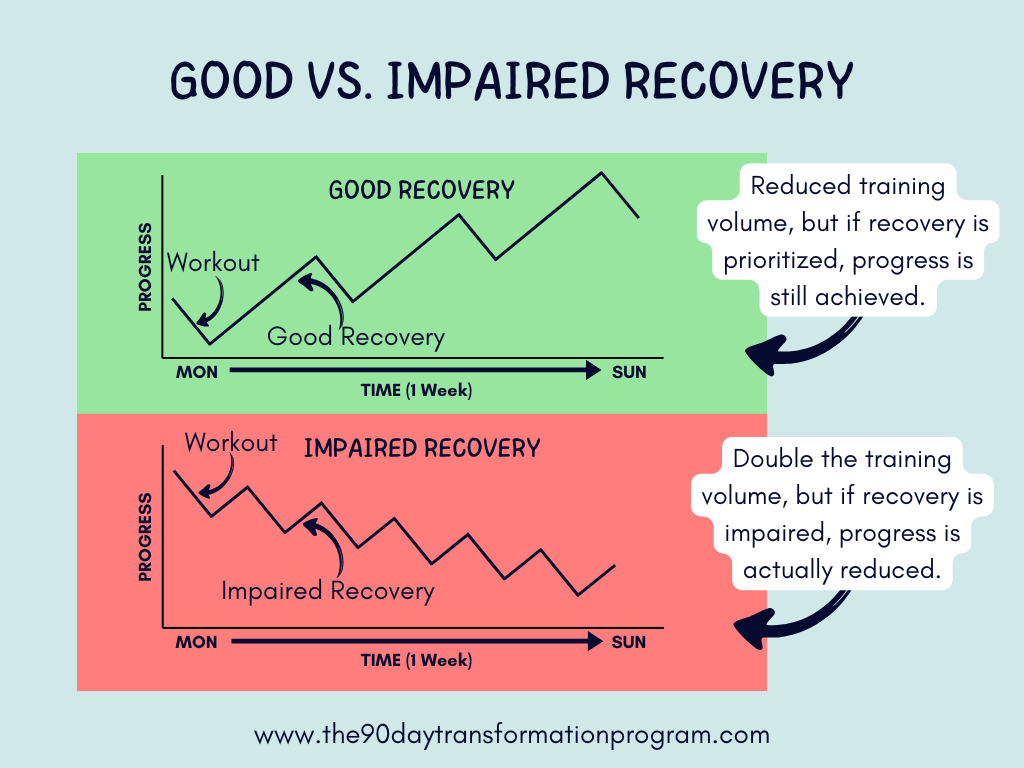
In many cases, maintaining intensity while slightly reducing training volume is a more effective strategy than trying to maintain high-volume programs in a lower-energy state.
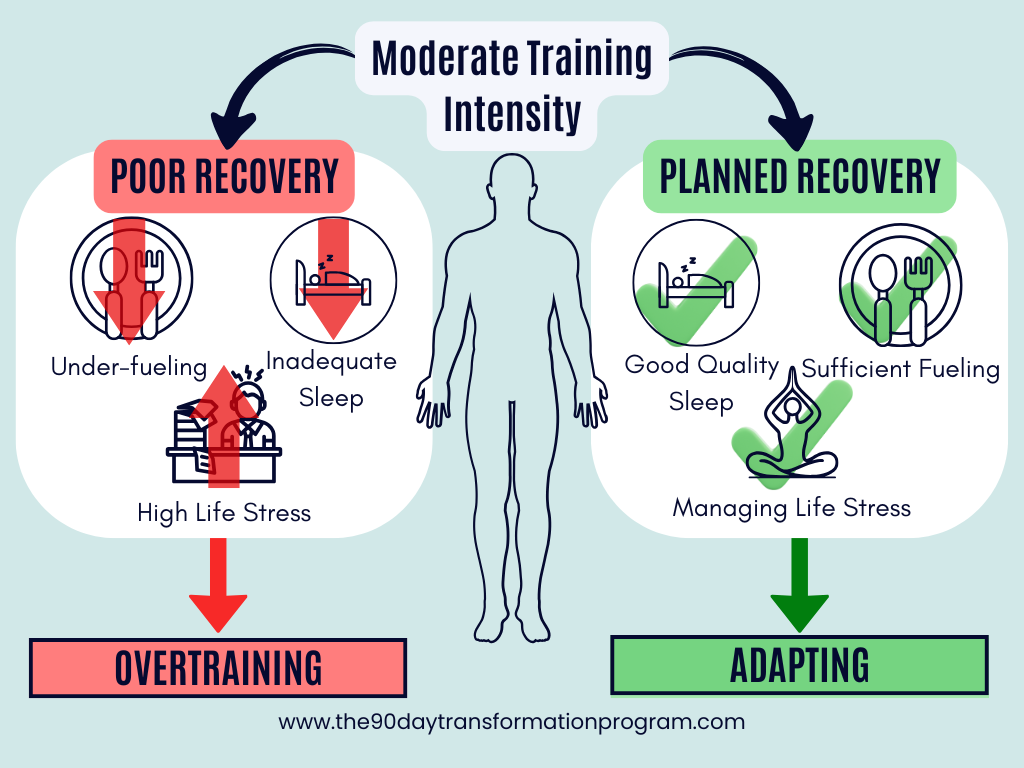
The goal is to create enough stimulus to preserve muscle without creating recovery demands that the body cannot support.
Compound Movements Give the Biggest Return
When recovery resources are limited, efficiency becomes important.

Exercises that train multiple muscle groups simultaneously tend to provide the greatest return on investment. Movements such as squats, deadlifts, rows, presses, lunges, and loaded carries create a strong muscle-preserving stimulus while allowing training sessions to remain relatively time-efficient.
This doesn't mean every workout needs to be complex. Often, focusing on a handful of well-executed compound movements is enough to maintain strength and lean mass during a period of weight loss.
Cardio Still Has a Place
Cardiovascular training can support heart health, daily movement, and overall fitness. However, when appetite is suppressed and calorie intake is reduced, excessive cardio can become counterproductive.
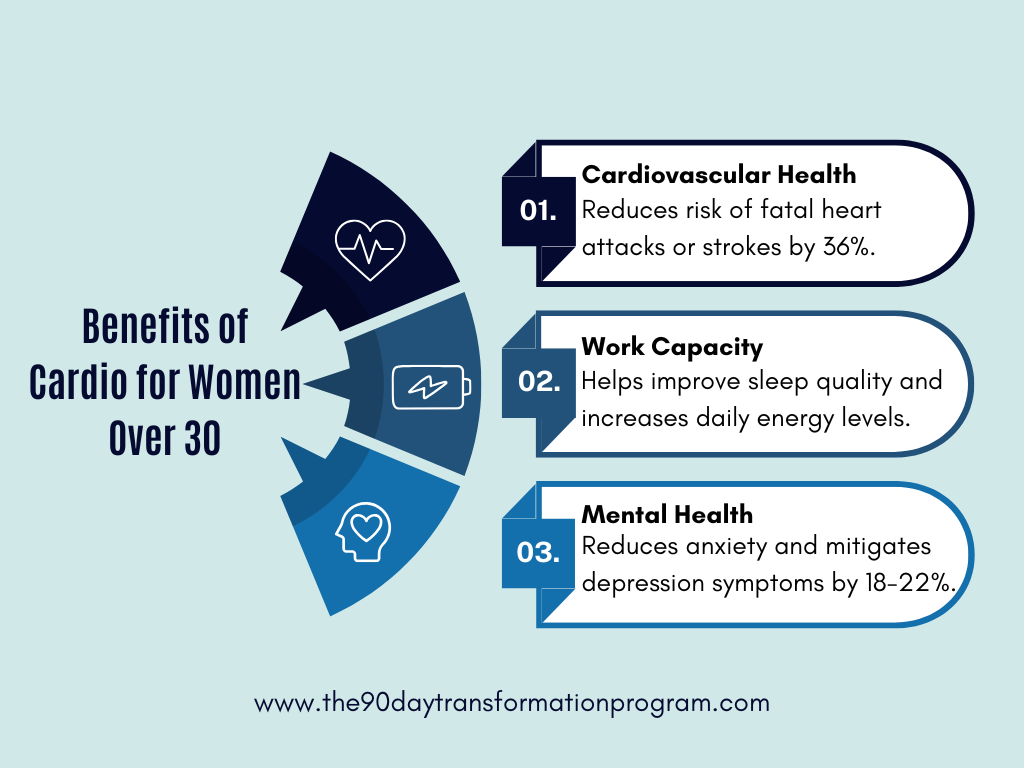
Cardiovascular training can support heart health, daily movement, and overall fitness. However, when appetite is suppressed and calorie intake is reduced, excessive cardio can become counterproductive.
Unlike resistance training, cardio provides little direct stimulus for maintaining muscle mass. High volumes of cardiovascular exercise can also increase recovery demands and deepen an existing energy deficit.
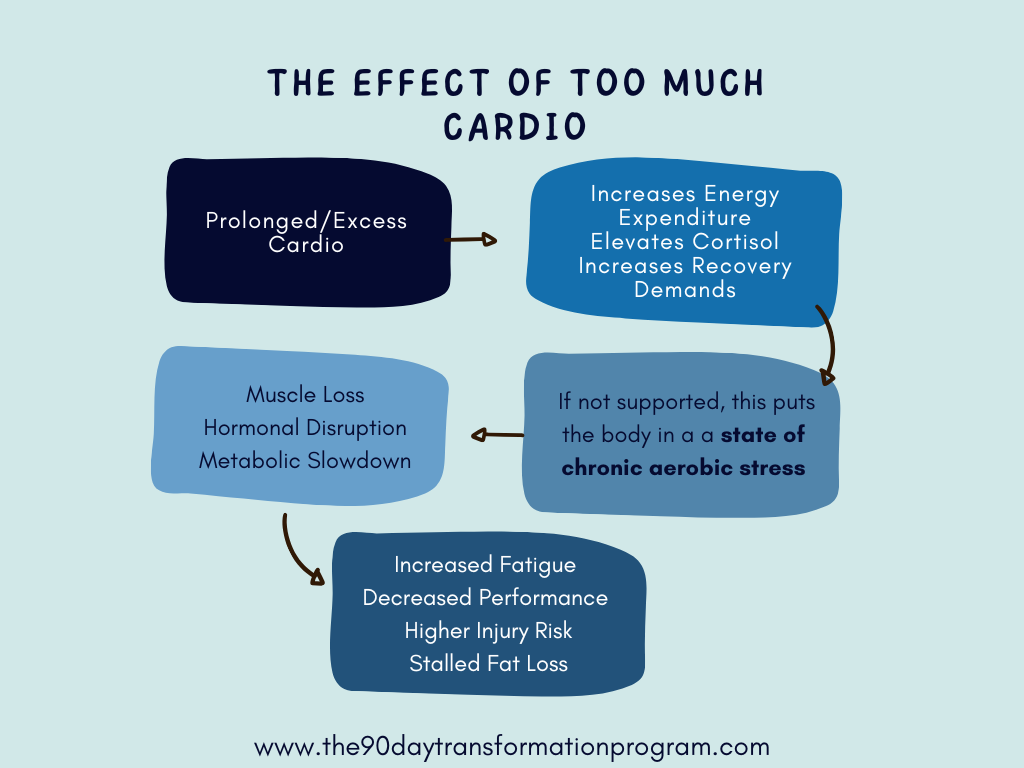
For many women using GLP-1 medications, cardio works best as a supplement to strength training rather than the primary focus of the program.
Recovery Becomes More Important
Reduced food intake affects more than body weight. It can also influence recovery, energy levels, and training performance.
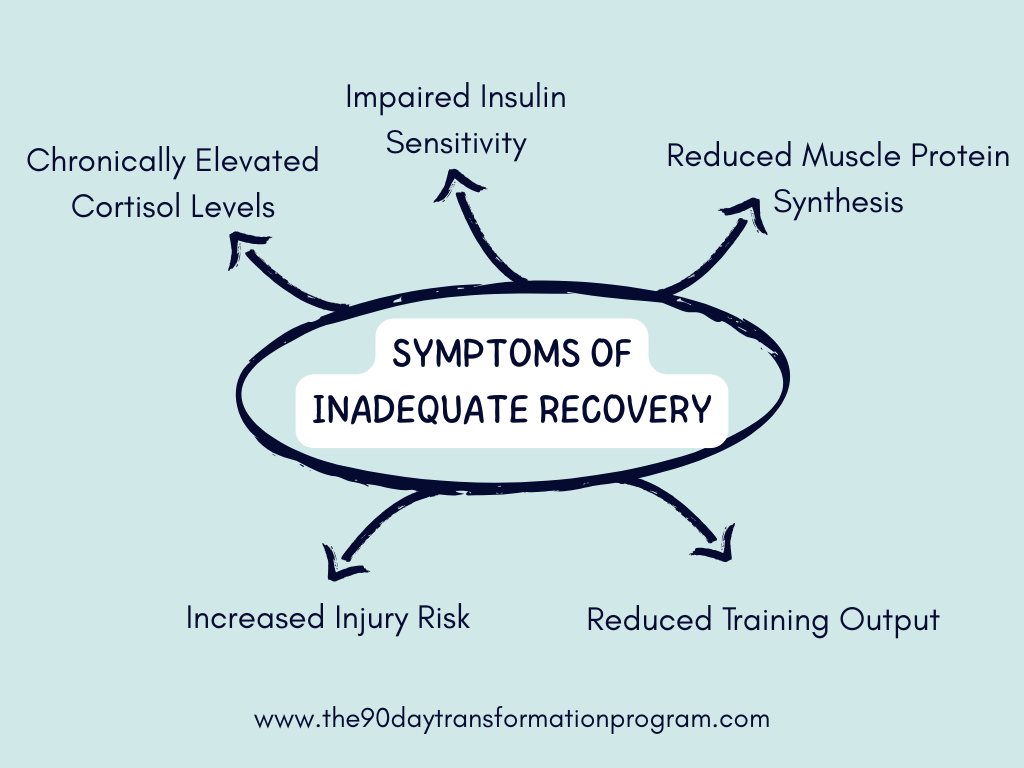
Some signs that recovery may be falling behind include:
Persistent soreness
Declining strength
Increased fatigue
Reduced motivation to train
These are often indicators that training demands are exceeding available recovery resources.
Paying attention to these signals and making appropriate adjustments can improve long-term consistency and reduce the risk of burnout or injury.
Nutrition and Training Must Work Together
One of the biggest mistakes women make while using GLP-1 medications is assuming that less food automatically means better results.
In reality, muscle preservation depends heavily on adequate nutrition.
Protein intake remains a priority, while carbohydrates continue to play an important role in supporting training performance and recovery. When intake becomes too low, the body has fewer resources available to maintain lean tissue.

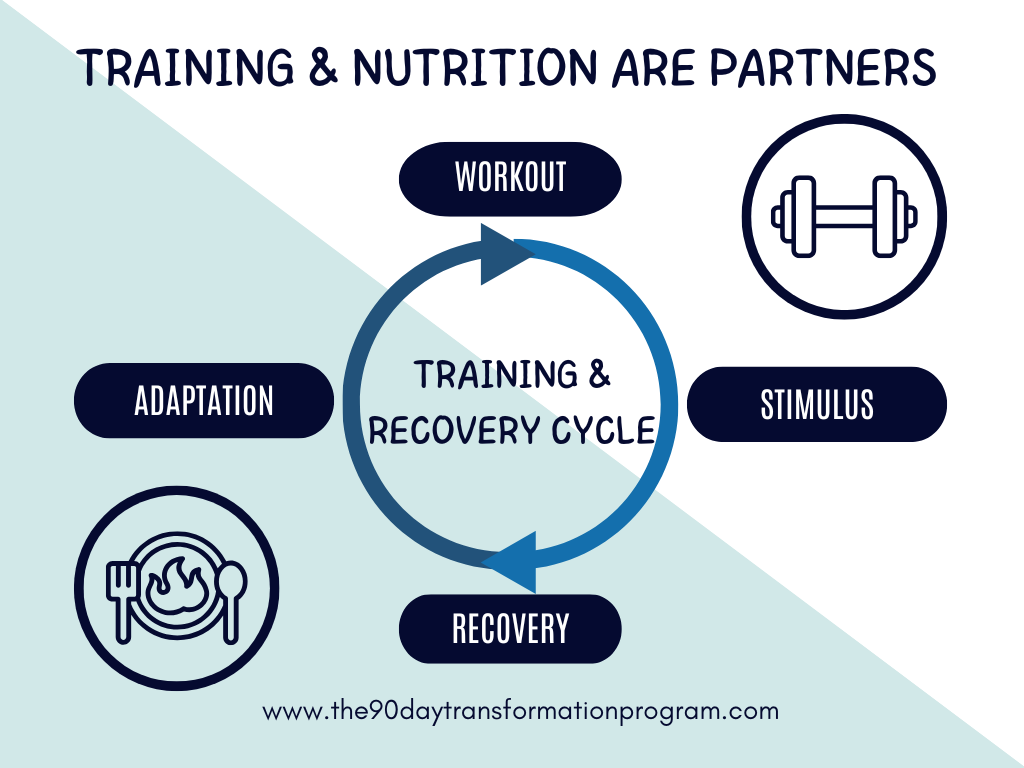
Training and nutrition should be viewed as partners. One provides the stimulus for adaptation, while the other provides the resources to support it.
In Summary
GLP-1 medications reduce appetite, but they do not eliminate the body's need for muscle.
The women who tend to achieve the best long-term outcomes are not simply those who lose the most weight. They are the women who preserve their strength, maintain muscle mass, and continue supporting their metabolism throughout the process.
When resistance training, adequate protein intake, and recovery are prioritized, weight loss becomes more protective and sustainable.
The goal is not just to become lighter.
The goal is to remain strong, capable, and resilient throughout the journey.